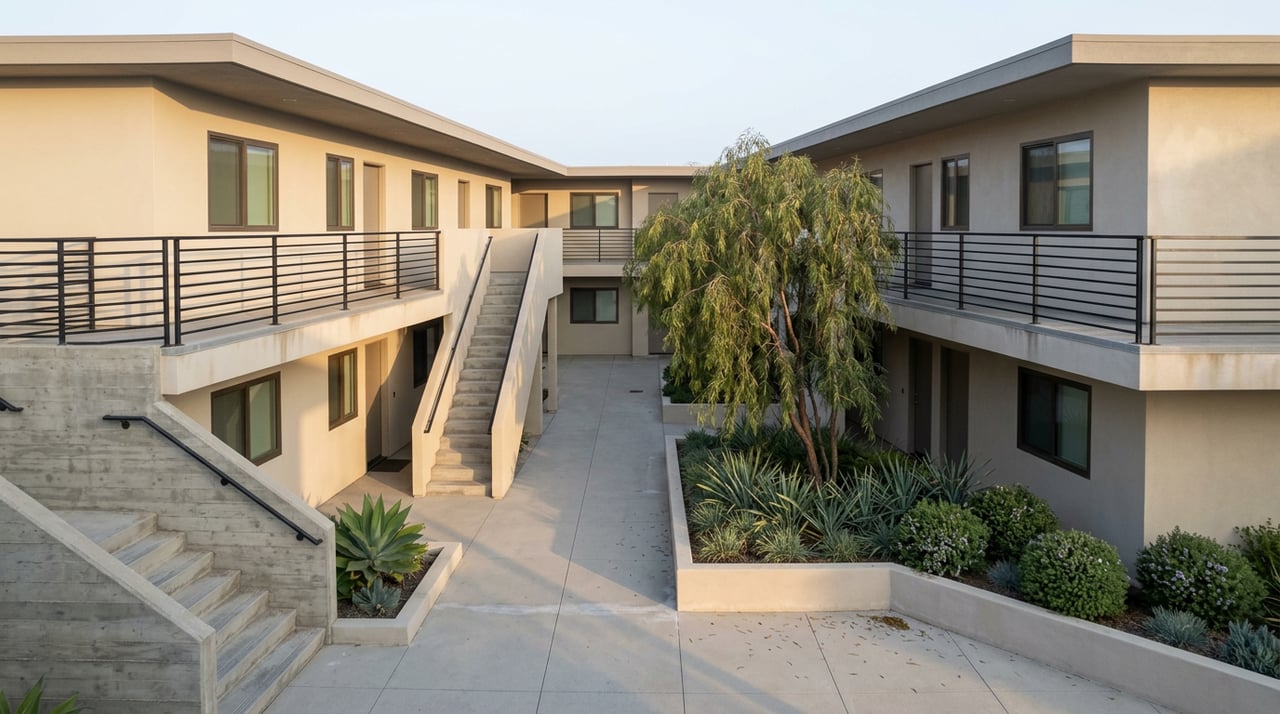
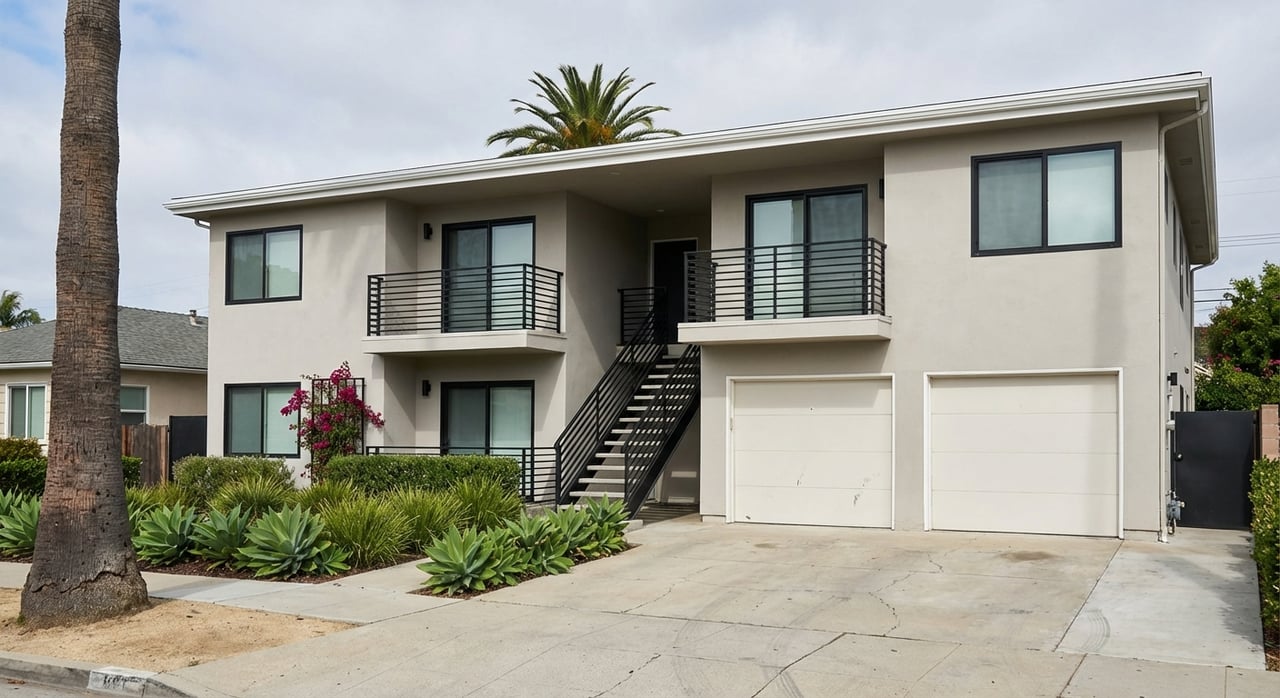
Thinking about selling a Gardena duplex or fourplex? In this market, a clean unit and fresh paint can help, but they are rarely the whole story. Buyers of small multifamily properties usually want to understand the income, tenant setup, legal status, and maintenance history before they feel confident making a strong offer. If you prepare those pieces early, you can reduce surprises and move through escrow with more control. Let’s dive in.
Why preparation matters in Gardena
Gardena has been functioning like a relatively active seller’s market overall. Recent market data shows a median listing price of $799,495, median days on market of 30, and a sale-to-list ratio of 100%.
In the multifamily segment, the numbers tell a slightly different story. Gardena has had 29 active multi-family listings with a median listing price of $1.28 million, and properties in that segment have typically spent about 49 days on market while receiving around 5 offers.
That means buyers are active, but they are also selective. In many current listings, sellers highlight features like immediate income, month-to-month tenants, individually metered utilities, vacant delivery at close, and recent capital improvements such as roofs or exterior paint.
The takeaway is simple: when you sell a Gardena duplex or fourplex, presentation matters, but your paperwork and property story matter just as much. Buyers want to see that the income is clear, the units are legally understood, and the building has been responsibly maintained.
Start with your income file
For a two- to four-unit property, buyers and their lenders will look closely at rental documentation. Fannie Mae guidance says current lease agreements or market rents may be used to document rental income, and gross monthly rent still must be documented even if rental income is not being used to qualify.
For sellers, that makes a well-organized file a major advantage. You should be ready to provide current leases, any amendments, and a unit-by-unit rent schedule that clearly shows the monthly rent for each unit.
Just as important, your paperwork should match reality. If a lease says one thing but actual occupancy, concessions, or payment patterns show something different, that can raise questions during escrow.
Documents to gather early
Before listing, it helps to assemble:
- Current leases for each unit
- Lease amendments or extensions
- A unit-by-unit rent schedule
- Records showing current occupancy
- Security deposit records
- Utility information, including whether units are separately metered
- Recent operating or maintenance records that support the property’s condition and income story
When your file is complete from the start, buyers can underwrite the property more quickly and with fewer assumptions.
Order the Gardena Property Information Report early
One of the most important local steps is the City of Gardena Property Information Report. The city requires this report for commercial, industrial, and residential properties in Gardena.
The owner or broker must apply at least 30 days before the sale closes. The report generally takes about 15 business days, and the city does not offer expediting.
This report covers items such as zoning, authorized use, occupancy as established by permits and records, business licenses, variances, special restrictions, and observable code violations. If the report is not waived, it must be delivered to the buyer no later than 15 days before escrow closes.
Because the timeline is built into the city process, waiting too long can create pressure later. Ordering it early gives you time to review the findings, plan for any follow-up questions, and avoid unnecessary closing delays.
Timing details to keep in mind
A few city timing rules are especially important:
- The report is valid for six months
- It may be extended another six months if no structural changes, improvements, or additions have been made
- A waiver must be filed at least 20 days before escrow is scheduled to close
- If not waived, the report must be delivered at least 15 days before closing
For many sellers, this is one of the first tasks worth tackling.
Build a strong disclosure package
In California, sellers of one- to four-dwelling-unit residential property generally must provide a Real Estate Transfer Disclosure Statement. The California Department of Real Estate also explains that listing and selling agents must conduct a reasonably competent and diligent visual inspection and disclose material facts affecting value and desirability.
If your property was built before 1978, federal lead-based paint disclosure will usually also apply. For older duplexes and fourplexes, this can be especially relevant.
A stronger disclosure package often means fewer surprises once a buyer begins reviewing the property in detail. It also helps you answer questions with confidence instead of scrambling for records after you go into contract.
Helpful records to pull together
Based on Gardena’s report requirements and California’s disclosure framework, sellers should try to collect:
- Permit history
- Prior inspection reports
- Renovation and repair receipts
- Appliance ages, if known
- Records related to additions or alterations
- Notes or invoices for major capital items such as roofing, exterior work, plumbing, or electrical updates
This kind of preparation supports transparency and helps buyers understand what has been done over time.
Plan showings with tenants in mind
If your duplex or fourplex is tenant occupied, showing strategy matters. California Civil Code 1954 allows a landlord to enter a unit to exhibit it to prospective purchasers, but entry must be for a permitted purpose, during normal business hours, and with reasonable written notice. The law presumes 24 hours is reasonable notice.
For purchaser showings, oral notice can be used only if the tenant was notified in writing within the prior 120 days that the property is for sale and that the landlord or agent may contact the tenant orally for that purpose. The agent must also leave written evidence of entry inside the unit.
In practice, this means your showing plan should be organized, predictable, and respectful. Last-minute disruptions can frustrate tenants and make access harder over time.
Best practices for occupied units
A smoother approach often includes:
- Grouping showings into consistent time windows
- Giving notice early and in writing
- Keeping a written log of notices and entries
- Limiting unnecessary repeat visits when possible
- Communicating clearly about the process from the start
When tenants feel respected, showings tend to go more smoothly.
Be careful with rent changes and lease decisions
Some sellers consider raising rents, changing lease terms, or trying to reset tenancy before listing. In Gardena, that requires extra care.
The city says owners of residential rental units must provide each unit and each new tenant with a copy of the Rent Mediation and Hearing Procedures booklet. The city also states that rent increases over 5% require notice of mediation and hearing rights, with 30 days’ notice for increases of 10% or less and 90 days’ notice for increases over 10%.
State law also matters. California Civil Code 1947.12 caps many rent increases at 5% plus CPI or 10%, whichever is lower, and Civil Code 1946.2 requires just cause for terminating covered tenancies after the occupancy thresholds are met.
Because exemptions can depend on the property and occupancy structure, sellers should move carefully before making major tenancy changes. This is especially true if you own an older fourplex, have long-term tenants, or occupy part of the property yourself.
Expect buyers to inspect the basics closely
Older small multifamily properties often get close scrutiny during the inspection period. The California Department of Real Estate highlights common concern areas such as structural condition, plumbing, electrical, heating, mechanical systems, easements, common driveways, room additions, and structural alterations.
For older buildings, buyers may also focus on items like foundation anchor bolts, cripple walls, first-story wall bracing, unreinforced masonry, habitable rooms above garages, and water heater bracing.
This does not mean you need to renovate everything before listing. It does mean you should understand the property’s condition, know what work has been completed, and be ready to explain any older features or known issues clearly.
Understand key closing costs and tax questions
A Gardena duplex or fourplex sale can involve costs that affect your net proceeds more than expected. One example is transfer tax.
Los Angeles County says its documentary transfer tax is $0.55 per $500 or fraction thereof on documents conveying real property within the county’s cities. The City of Gardena separately imposes a real property transfer tax of $0.275 per $500 or fraction thereof.
Property taxes are also important for buyers to understand. The California State Board of Equalization says a change in ownership generally triggers reassessment to current fair market value, and Los Angeles County explains that supplemental tax bills are separate from the annual bill and sent directly to the owner.
These issues may influence negotiations, buyer expectations, and your final net sheet. If your property has mixed occupancy, older leases, entity ownership, or other complexities, it is smart to review tax and ownership questions early with the right professional guidance.
A simple prep checklist for sellers
If you want a practical starting point, focus on these steps first:
- Gather leases, amendments, rent schedules, and occupancy records.
- Order the Gardena Property Information Report early.
- Assemble permits, repair receipts, and prior inspection records.
- Review disclosure needs, including lead-based paint if applicable.
- Create a tenant-friendly showing plan with proper notice procedures.
- Evaluate any rent or lease changes carefully before acting.
- Identify likely repair or inspection concerns before buyers do.
- Estimate transfer taxes and review potential closing-cost impacts.
This kind of preparation can help your sale feel more orderly, more credible, and easier for buyers to say yes to.
Selling a Gardena duplex or fourplex is not just about cleaning up the property for photos. It is about proving the building’s income story, legal status, and maintenance history in a way that gives buyers confidence. With the right planning, you can reduce stress, avoid timing issues, and put your property in a stronger position when it hits the market.
If you are getting ready to sell and want hands-on guidance tailored to your property, connect with the Kawata Team for a personalized market consultation.
FAQs
What documents should you gather before selling a Gardena duplex or fourplex?
- You should gather current leases, lease amendments, a unit-by-unit rent schedule, occupancy records, permit history, prior inspection reports, renovation receipts, and utility information.
What is the Gardena Property Information Report for a property sale?
- The Gardena Property Information Report is a city-required report that can cover zoning, authorized use, occupancy based on permits and records, special restrictions, and observable code violations.
How much notice do tenants need for showings in California?
- California Civil Code 1954 presumes that 24 hours of written notice is reasonable for entry to show a unit to prospective purchasers during normal business hours.
Why do buyers care so much about leases and rent rolls for Gardena multifamily properties?
- Buyers and their lenders use leases, market rents, and gross monthly rent documentation to evaluate income, occupancy, and overall risk for a two- to four-unit property.
What transfer taxes may apply when selling a Gardena duplex or fourplex?
- Unless an exemption applies, Los Angeles County documentary transfer tax and the City of Gardena real property transfer tax may both apply at closing.
Can a sale of a Gardena duplex or fourplex affect the buyer’s property taxes?
- Yes. A change in ownership generally triggers reassessment to current fair market value, and supplemental property tax bills may be issued separately from the annual tax bill.