Thinking about buying a duplex or fourplex in Carson to build steady income or offset your housing costs? You’re not alone. Investors and owner‑occupants are eyeing 2–4 unit properties across the South Bay, but the smartest wins come from clear numbers and local rules. In this guide, you’ll get a grounded view of rents, returns, financing options, and a practical checklist tailored to Carson. Let’s dive in.
Carson at a glance: demand, incomes, rents
Carson blends solid incomes with a high share of owner‑occupants, which supports stable rental demand. According to U.S. Census QuickFacts, Carson’s population is about 91,000, the owner‑occupied housing rate is roughly 74%, and the median household income is around $107,391, with a historical ACS median gross rent in the $1,900s range for 2019–2023. Listing‑site asking rents have since moved higher. You can review the city’s snapshot on Census QuickFacts.
Public rent trackers show a range because each uses a different method. Recent signals suggest Zumper’s overall median sits near $3,494 per month, with a 2‑bed average around $3,175. Zillow Rental Manager has reported an overall Carson average near $2,970, and Apartments.com shows about $2,483 for a 1‑bed and $2,873 for a 2‑bed. Treat these as listing signals rather than guaranteed in‑place rents. You can scan current snapshots on Zumper’s Carson rent research.
What you’ll find on the ground
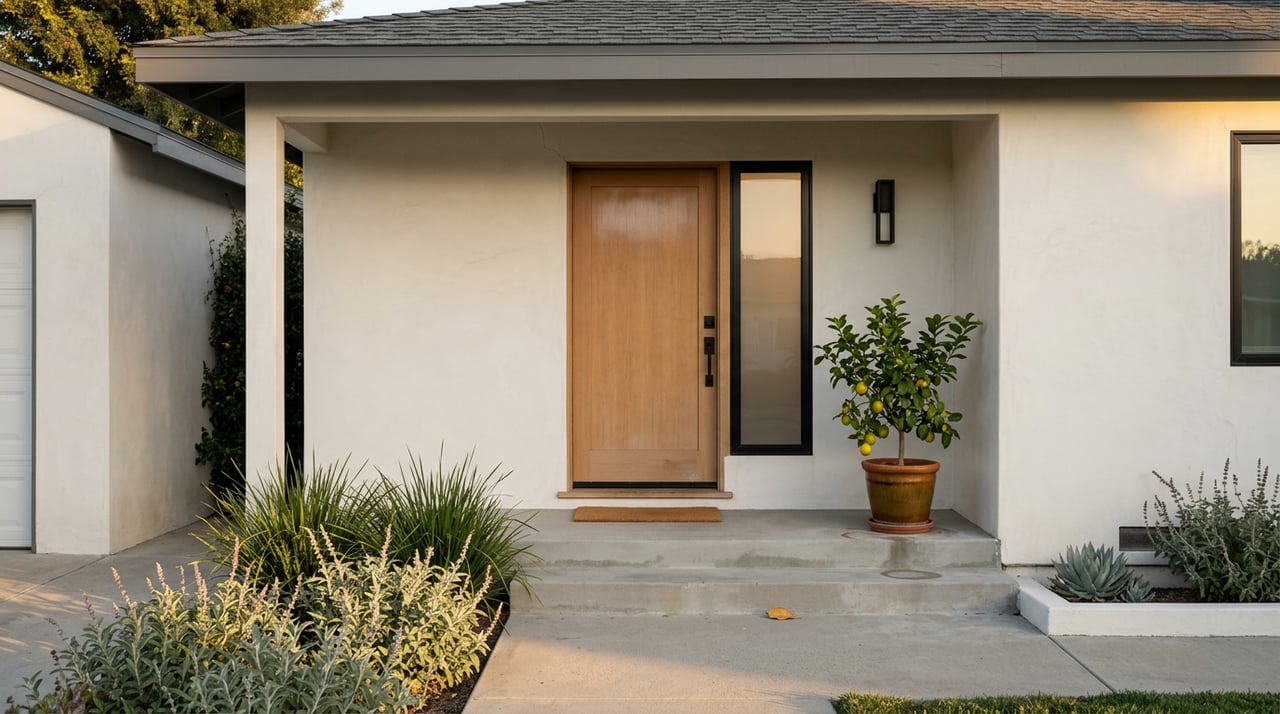
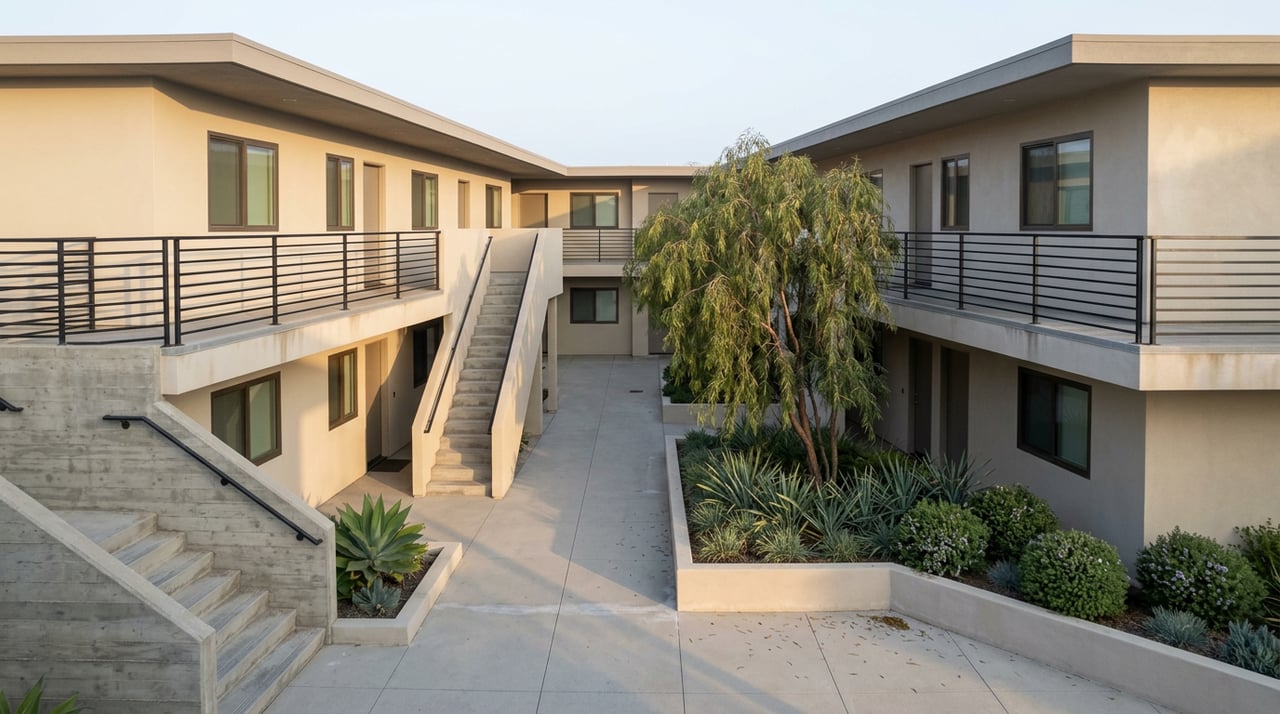
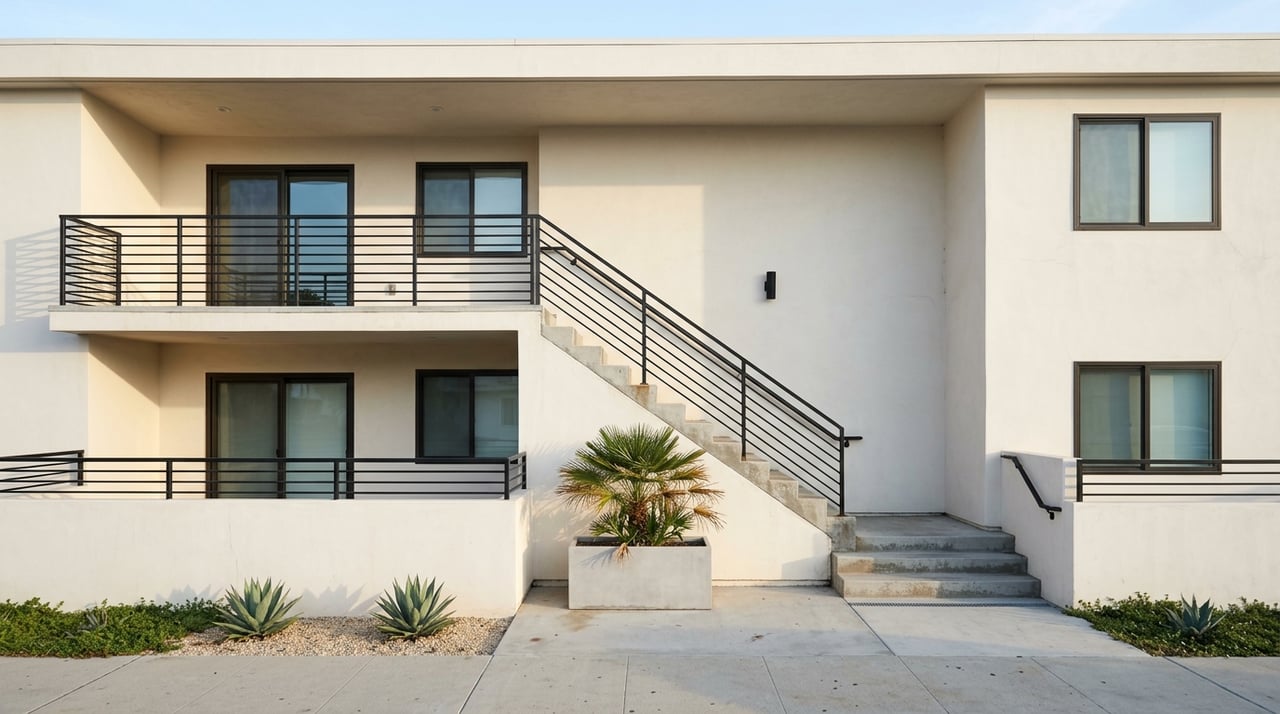
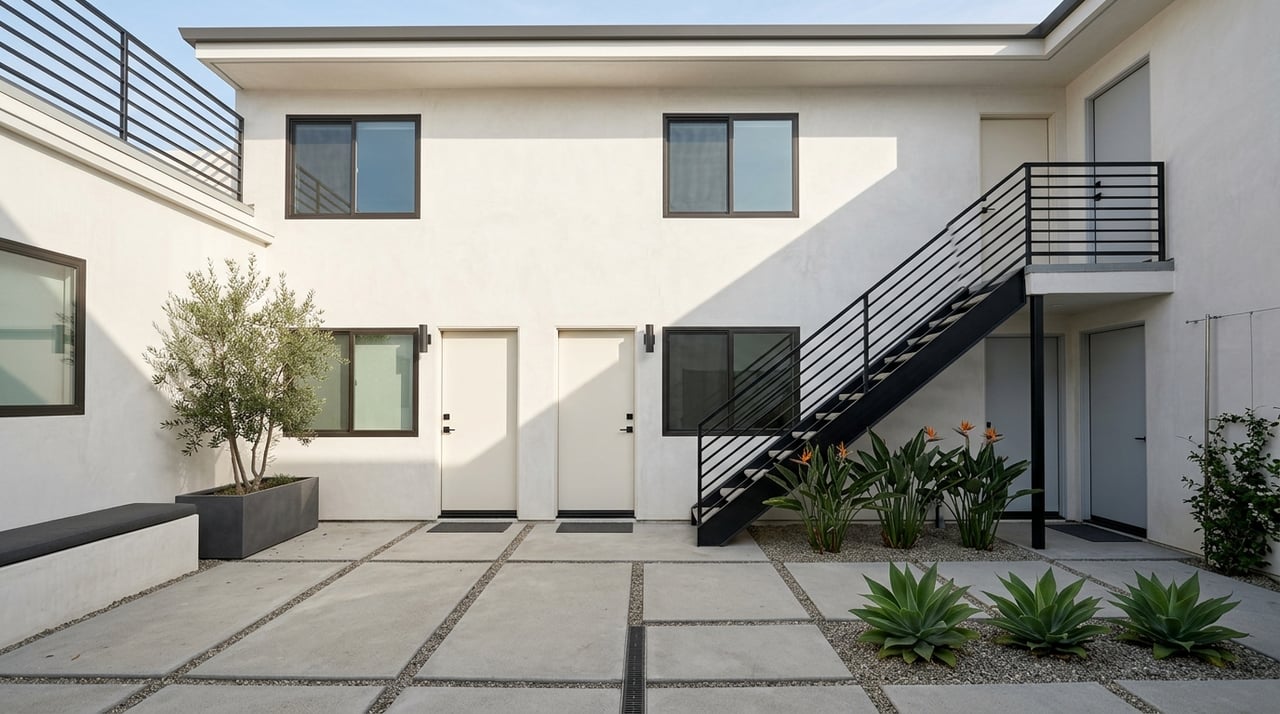
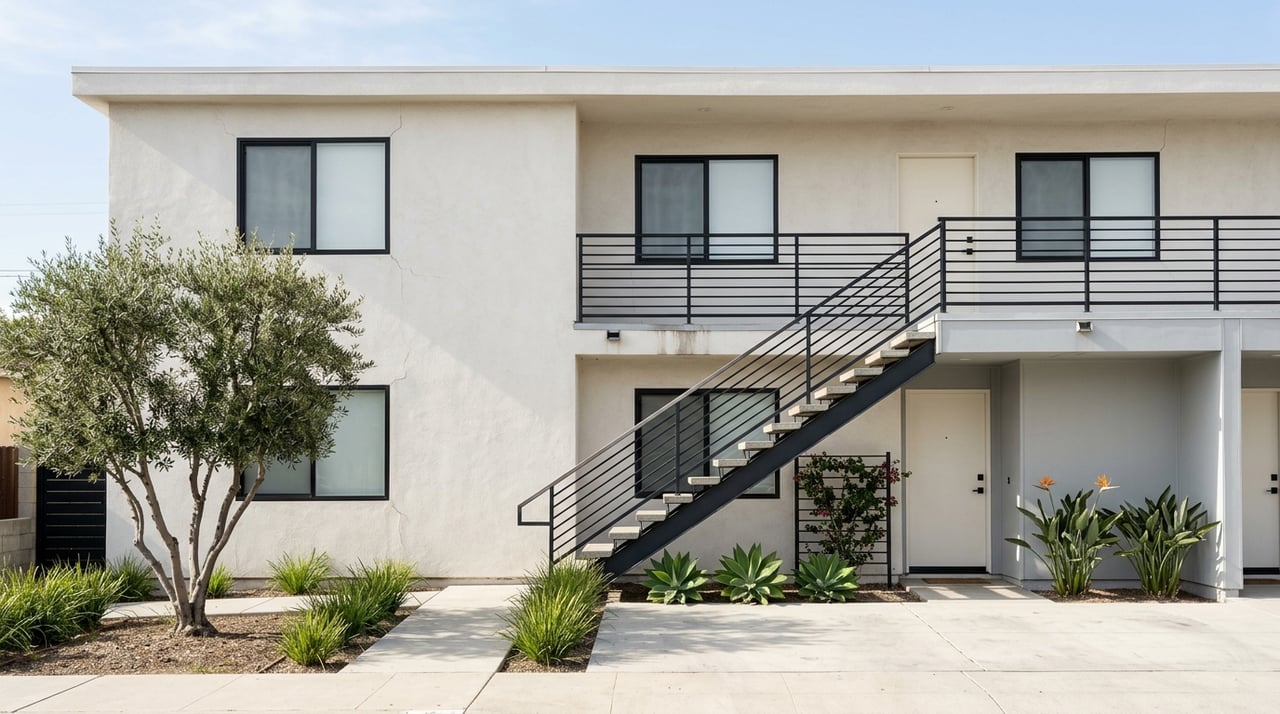
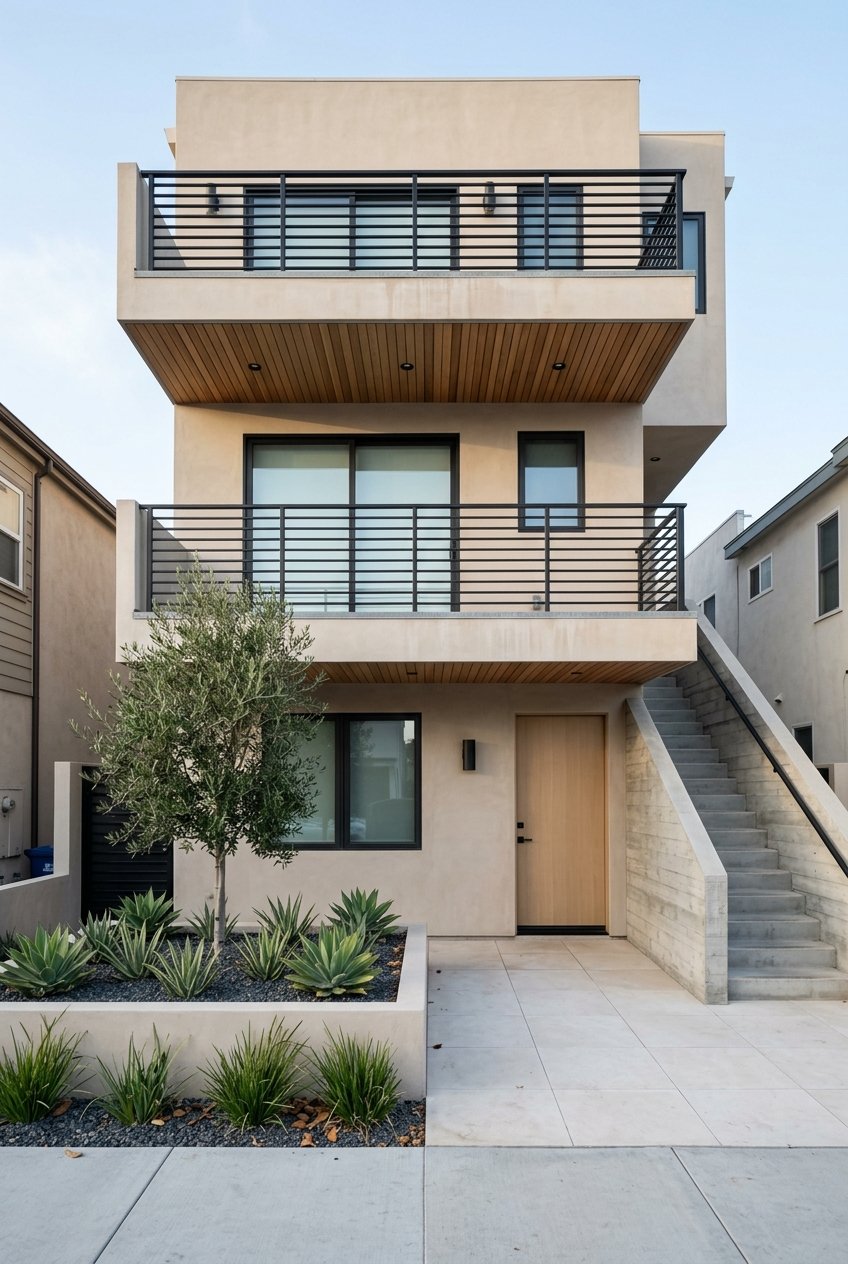
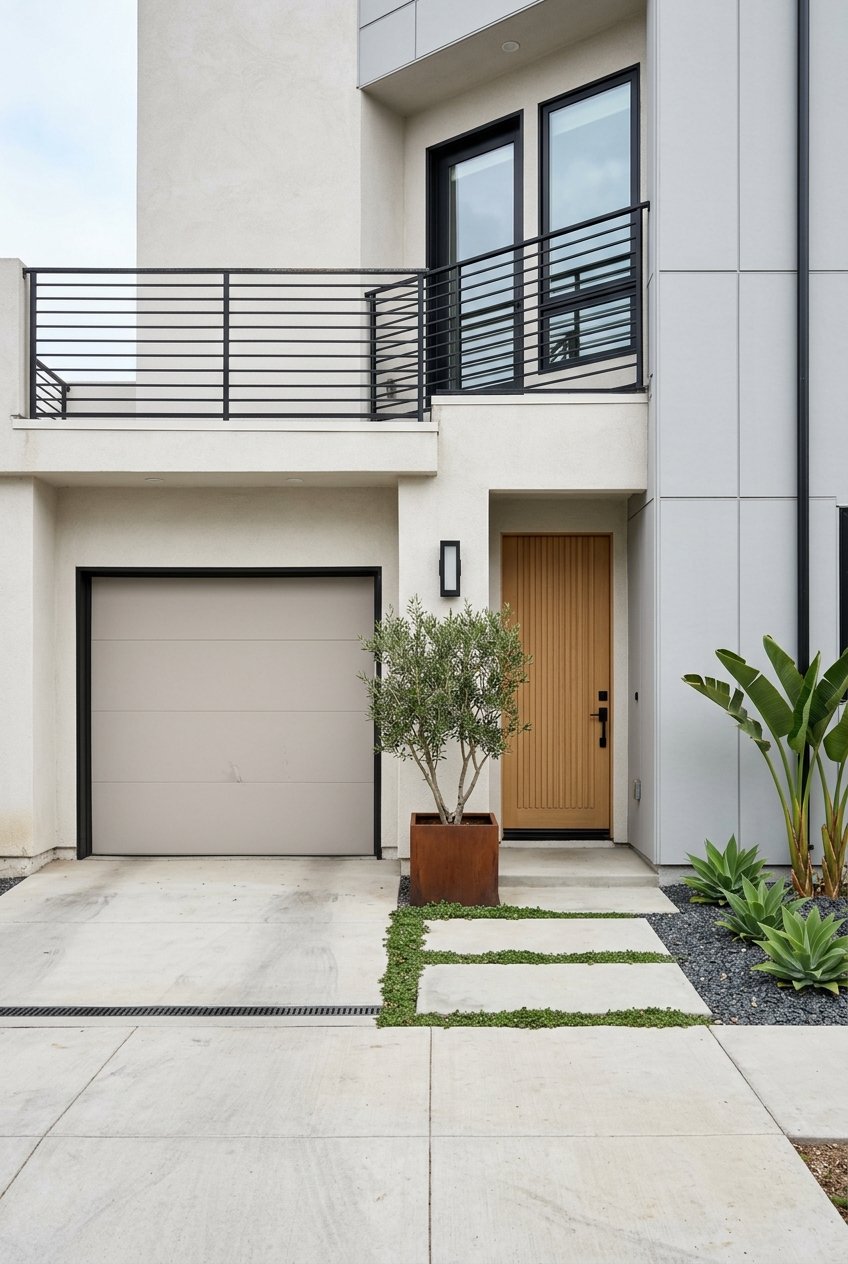
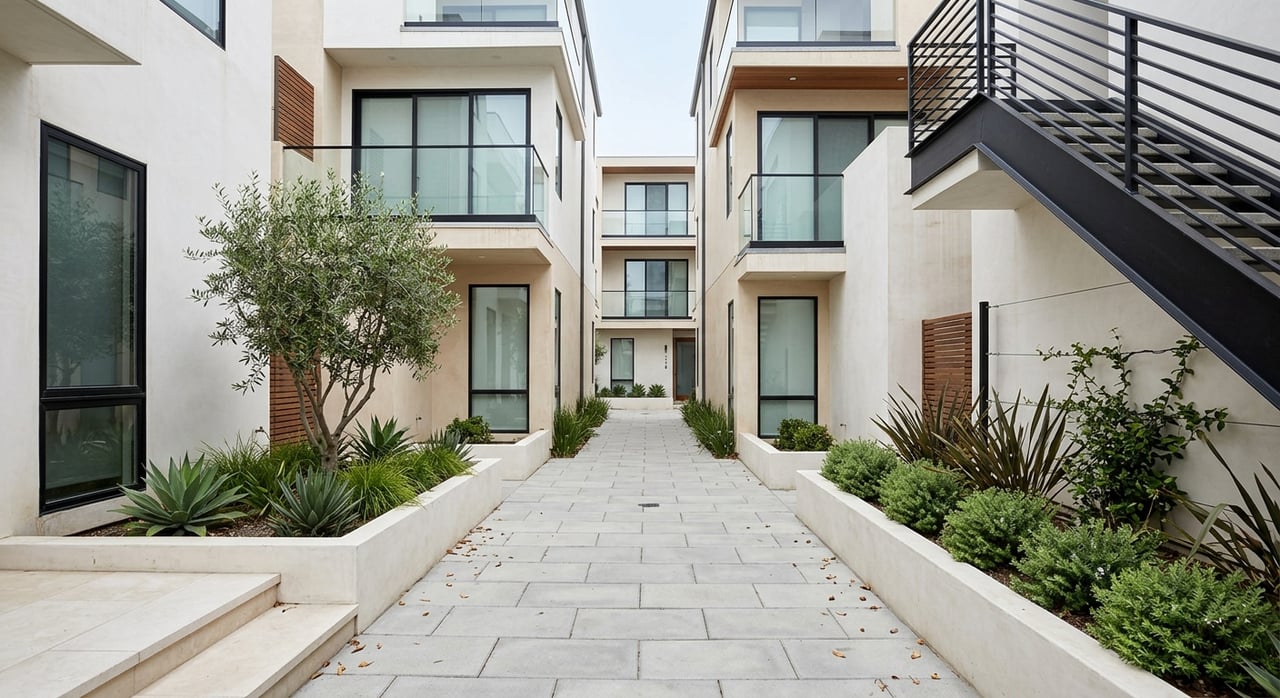
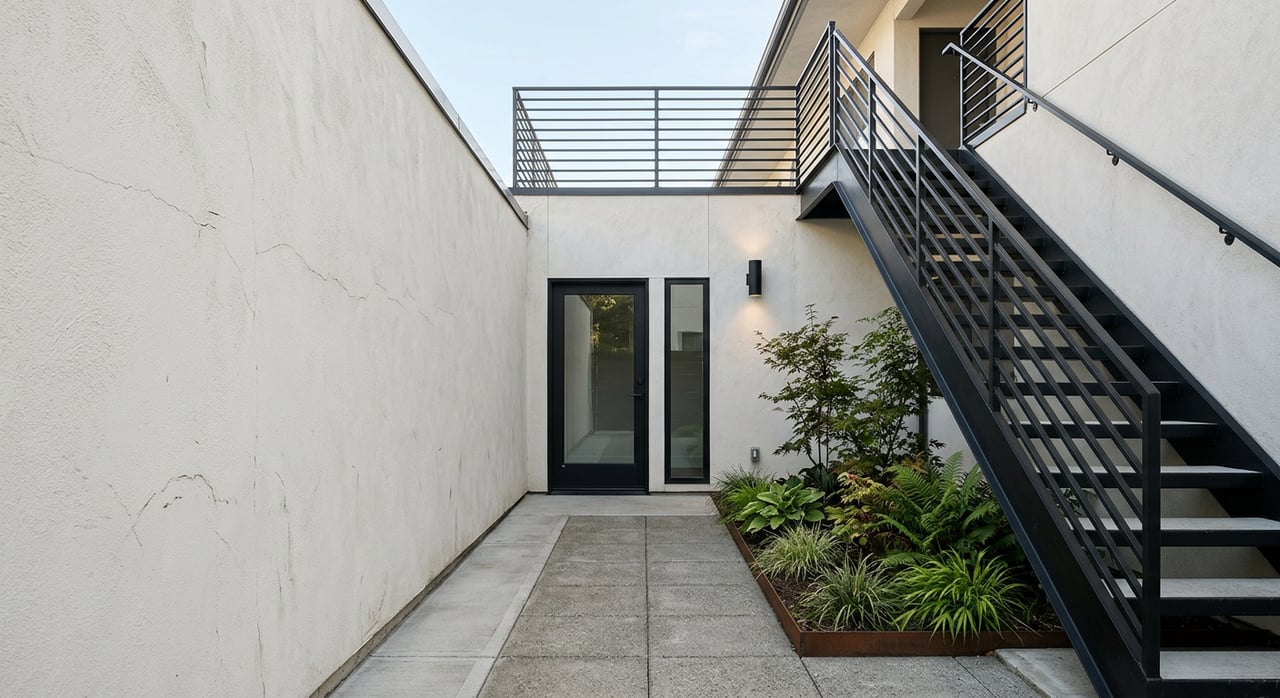
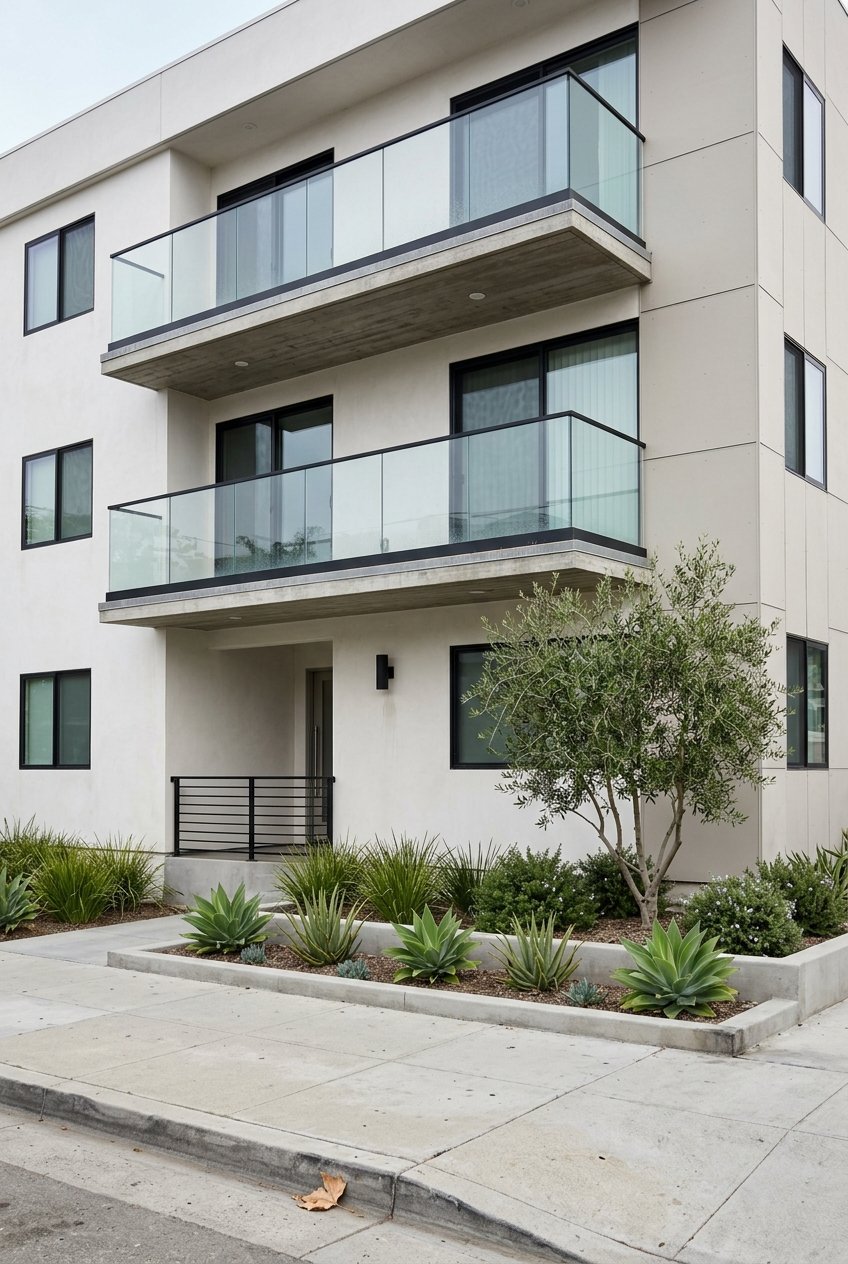
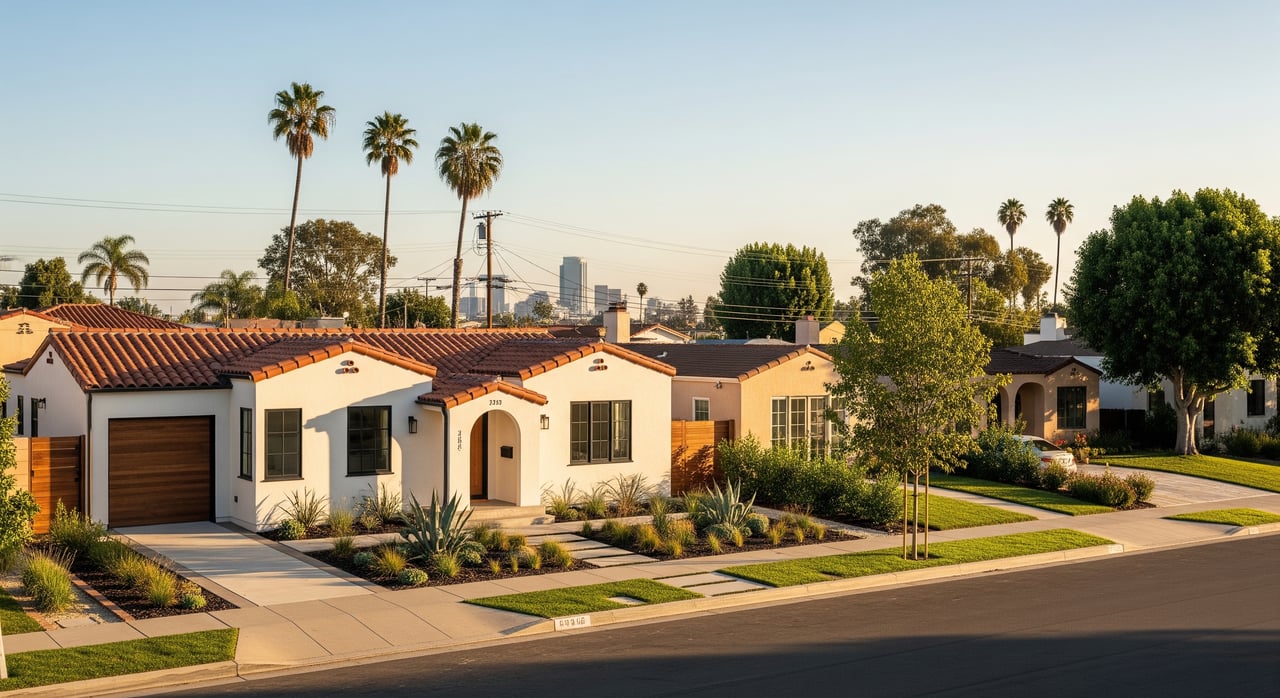
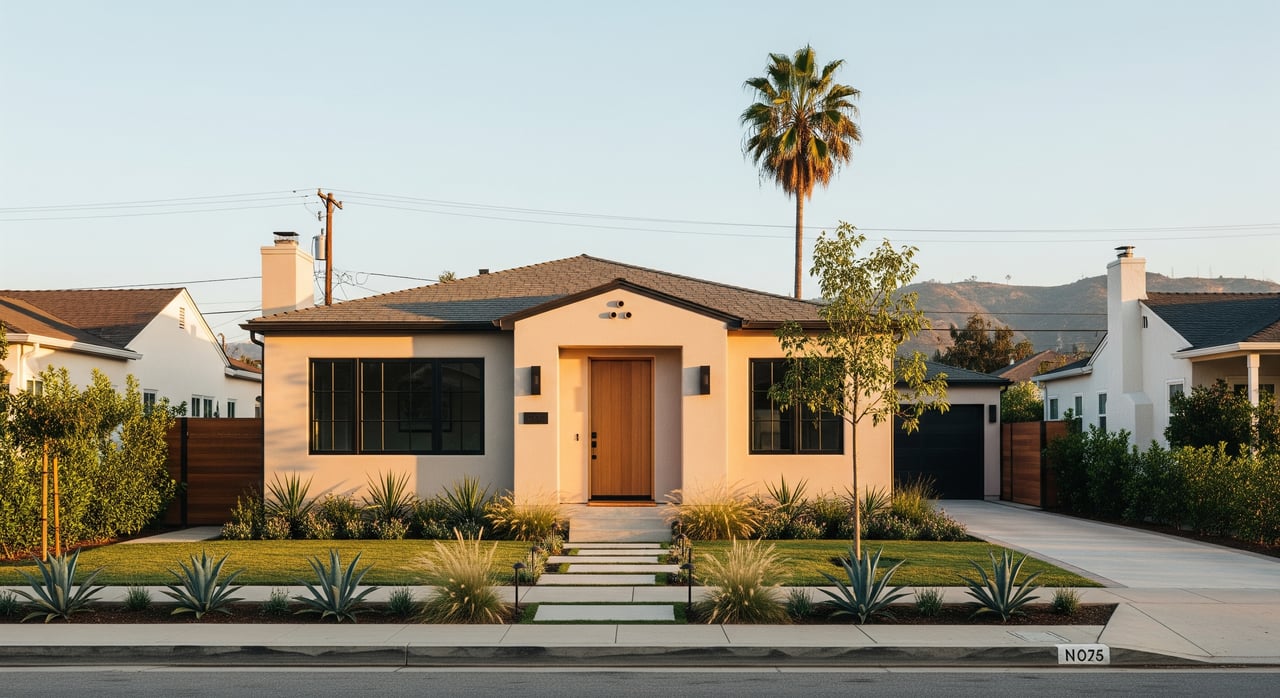
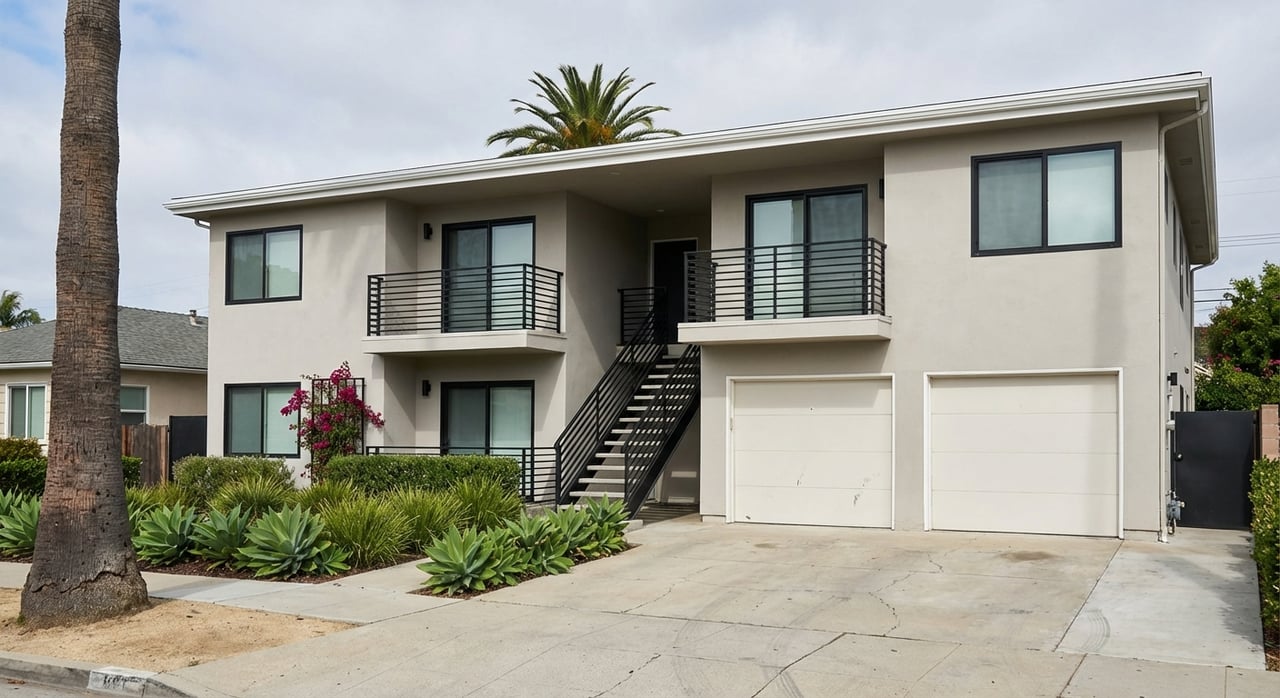
Most small multifamily in Carson is mid‑20th‑century wood‑frame: duplexes with two 2‑bed/1‑bath units and walk‑up fourplexes with 1–2 bedroom layouts. Expect modest kitchens, on‑site parking (often one space per unit or tandem), and small yards. Many older duplexes advertise separate garages and, in some cases, separate meters.
Lots can run larger than you’d expect for the South Bay, which can create potential for an ADU or additional density if zoning allows. Carson’s Economic Development Strategic Plan highlights infill as a priority, but parcel‑level rules still control what you can build. Review the City’s strategy and confirm details with Planning on the City of Carson EDSP page.
Rent signals to price your units
- Treat listing‑site medians as a starting point. Actual in‑place rents on older units can trail asking levels, especially when long‑term tenants are in place.
- Compare 1‑bed and 2‑bed asking ranges to your unit mix. For many Carson duplexes, 2‑bed comps matter most.
- Validate with a rent roll. When a listing lacks clear rents, run conservative and upside scenarios and test your debt coverage.
Value metrics: GRM and cap rate
Quick definitions
- Gross Rent Multiplier (GRM) = Purchase Price / Gross Annual Rent. It is a fast screen that ignores expenses.
- Cap rate = Net Operating Income (NOI) / Purchase Price. NOI equals Effective Gross Income minus Operating Expenses and excludes debt service.
- For small multifamily in coastal California, an owner‑managed expense ratio commonly ranges around 30–45%. For older stock and LA compliance costs, underwrite toward the higher end. See context in this operating‑cost research note. Budget reserves of roughly $2,000–$6,000 per unit per year for aging systems.
Worked example: 2590 E Carson St (duplex)
Use a recent public sale to see how rents drive value. The duplex at 2590 E Carson St sold for $680,000 in September 2025. The listing mentions separate garages and value‑add potential. Review details on the Zillow listing.
We will hold expenses at 40% for simplicity to show sensitivity:
- Case A — conservative in‑place scenario: Combined rent about $3,549 per month (Zillow estimate on listing). Annual gross $42,588. GRM ≈ 15.97. NOI ≈ $25,553. Cap rate ≈ 3.8%. This is what happens when current rents lag market.
- Case B — mid‑market scenario: Assume two units at $2,350 per month each. Annual gross $56,400. GRM ≈ 12.06. NOI ≈ $33,840. Cap rate ≈ 5.0%.
- Case C — renovated, market‑asking scenario: Assume two units at $3,200 per month each. Annual gross $76,800. GRM ≈ 8.85. NOI ≈ $46,080. Cap rate ≈ 6.8%.
Takeaway: Small changes in achievable rent or utility pass‑through can swing your cap rate by several hundred basis points. Metro LA stabilized multifamily often trades near the 5% range, while 2–4 unit deals can vary more based on condition and financing. See a metro benchmark in this Los Angeles multifamily cap‑rate brief.
Recent sales benchmarks
Sale prices vary by condition, unit mix, and lot potential. Along the same corridor as our example, a nearby duplex at 2598 E Carson St traded for $829,000 in February 2025, while a two‑structure duplex site at 341 E 220th St closed at $950,000 in March 2025, illustrating a lot premium. You can review one of these sales, 341 E 220th St, on Orchard’s listing archive. When fourplex comps run thin in Carson on a given week, nearby South Bay submarkets like Gardena can offer helpful guidance.
Rules and zoning to underwrite
State rent protections (AB 1482)
California’s Tenant Protection Act limits annual rent increases for covered units to 5% plus CPI, capped at 10%, and sets just‑cause eviction standards. Newer construction and certain owner‑occupied duplexes may be exempt. Always confirm unit‑by‑unit coverage and required notices using the text of AB 1482.
City of Carson notes
Carson’s Municipal Code includes mobilehome space rent control, which is separate from conventional apartments. The research did not identify a citywide apartment rent stabilization ordinance beyond state law. Review the mobilehome chapter on Carson’s code site and verify any recent changes with the City Attorney or Planning.
Zoning and ADU potential
The City’s economic plan highlights infill and job creation, and some parcels with multi‑family zoning or larger lots may support additional units or an ADU. Rules depend on the parcel. Start early with Planning and the EDSP materials to confirm what is allowed on your site on the City’s EDSP page.
Financing paths for 2–4 units
- FHA owner‑occupied: Historically allows low down payments for 2–4 unit purchases when you live in one unit. For 3–4 units, FHA requires a self‑sufficiency test that uses appraiser rent conclusions. Review program basics and confirm current lender overlays using this FHA multi‑unit overview.
- Conventional owner‑occupied: Some lenders permit lower down payments for 2‑unit primary residences. Three and four units often require more down and more reserves.
- Non‑owner‑occupied and portfolio loans: Expect higher down payments and DSCR underwriting. Always get quotes from multiple lenders and align loan terms with your hold strategy.
Value‑add plays in Carson
- Update interiors: Kitchens, baths, efficient windows, and AC can support higher rent.
- Improve utility structure: Where possible, separate or rebalance utilities so tenants pay their share. Listings often highlight separate meters as a value point.
- Add rentable space: Convert underused garage or storage where permitted, or build an ADU if zoning and setbacks allow. Start with a Planning consult and the City’s EDSP to align your concept with local priorities.
- Professionalize operations: Minor remodels, better tenant communication, and consistent maintenance reduce turnover and lift NOI.
Due diligence checklist
- Confirm legal unit count and permitted uses with the City and assessor.
- Collect the rent roll, leases, and deposits; compare in‑place rents to current asking ranges.
- Verify utility metering and who pays water, gas, and electricity.
- Inspect for deferred maintenance: roof, plumbing repipe, electrical service, and seismic items.
- Order title and lien searches; check for affordability covenants or restrictions.
- Validate zoning, setbacks, and parking if you plan an ADU or site changes.
- Confirm AB 1482 coverage or exemptions for each unit and ensure required notices are in place using the AB 1482 text.
Ready to explore your next 2–4 unit?
Carson offers practical cash‑flow plays with room to add value if you underwrite carefully and respect local rules. Whether you want to house‑hack a duplex or scale into a small portfolio, we can help you price rents, evaluate renovations, and structure financing. For a local walkthrough of active listings, off‑market leads, or a custom pro forma, connect with the Kawata Team.
FAQs
What cap rate should you expect for a Carson duplex?
- Metro LA signals hover near 5% for stabilized assets, while Carson duplexes typically pencil in the 4–7% range depending on condition, rents, and expenses.
Are duplexes and fourplexes easier to finance than 5+ unit buildings?
- Yes. You can often finance 2–4 unit properties through residential channels as an owner‑occupant, while 5+ units require commercial multifamily underwriting with different terms and documentation.
Is rent control a deal‑breaker in Carson for apartments?
- Most conventional apartments are covered by California’s AB 1482 rather than a local RSO, which caps rent growth and sets just‑cause rules. You should underwrite within those limits and verify property‑level exemptions.
How should you treat asking rents versus in‑place rents?
- Listing‑site medians are market signals, not guarantees. Always rely on the actual rent roll for today’s income and model a conservative case plus an upside scenario to stress‑test debt coverage.