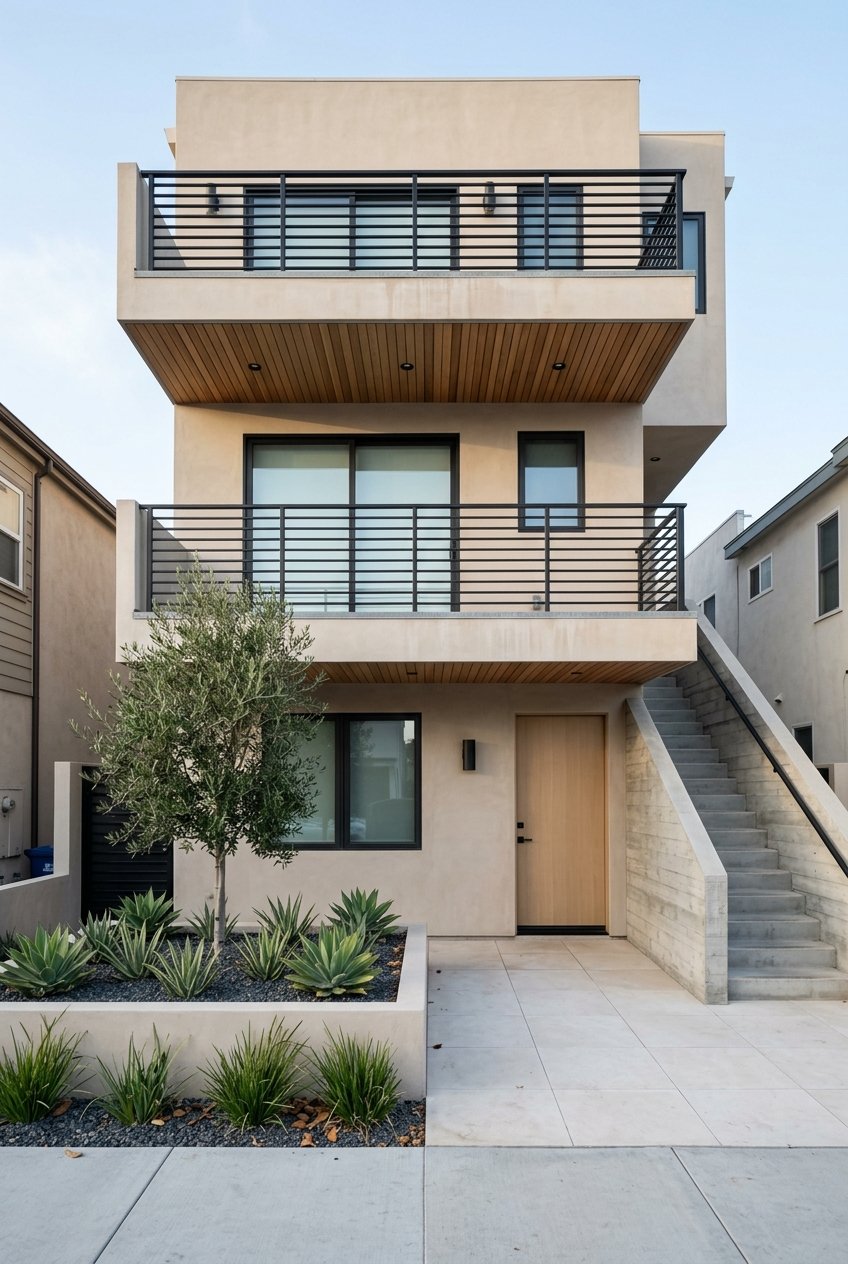
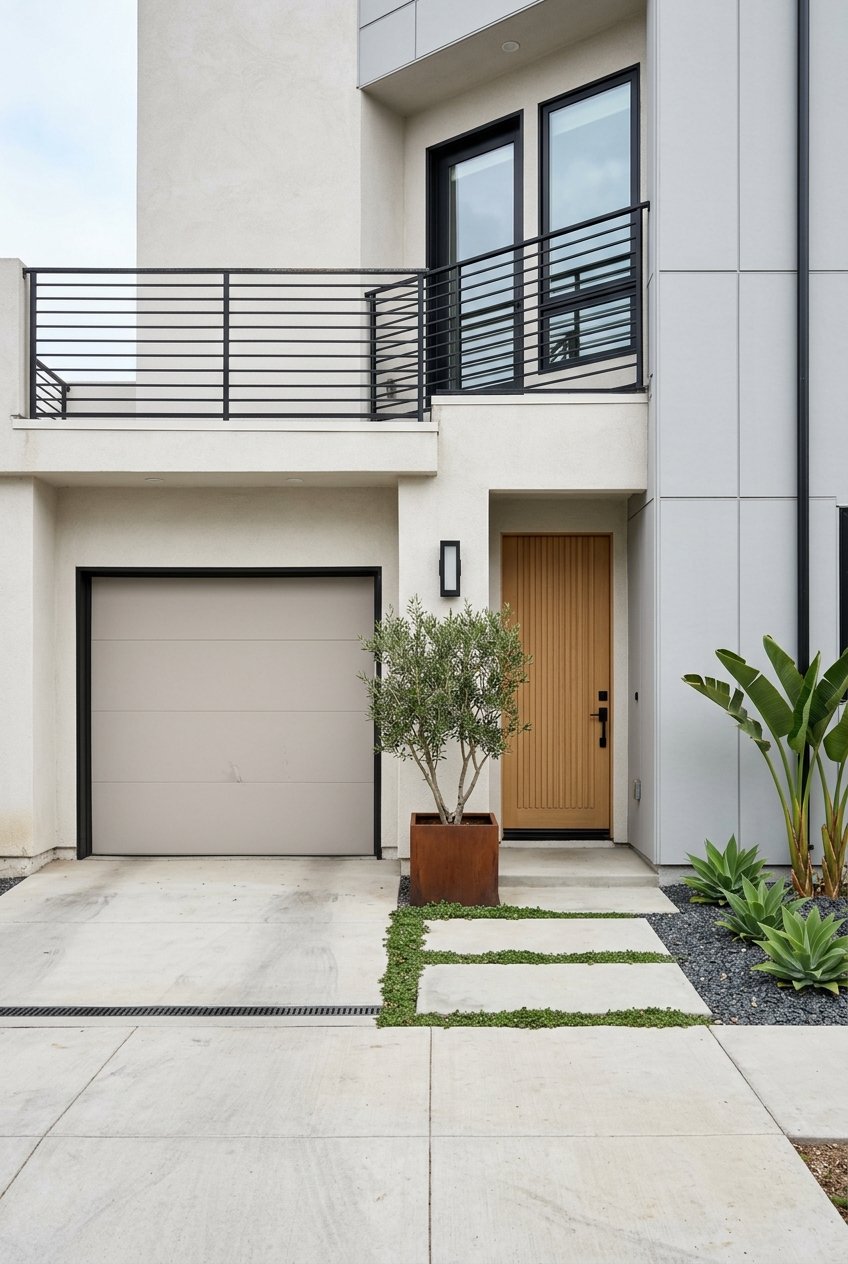
Thinking about house hacking or starting small as an investor in Carson but not sure where to begin? You are not alone. Between financing rules, rent estimates, and local regulations, 2–4 unit properties can feel complex at first. This beginner-friendly guide breaks down what counts as a 2–4 unit, how to estimate rents, your main financing options, a simple pro forma, and a Carson-focused due diligence checklist. Let’s dive in.
Why 2–4 units in Carson
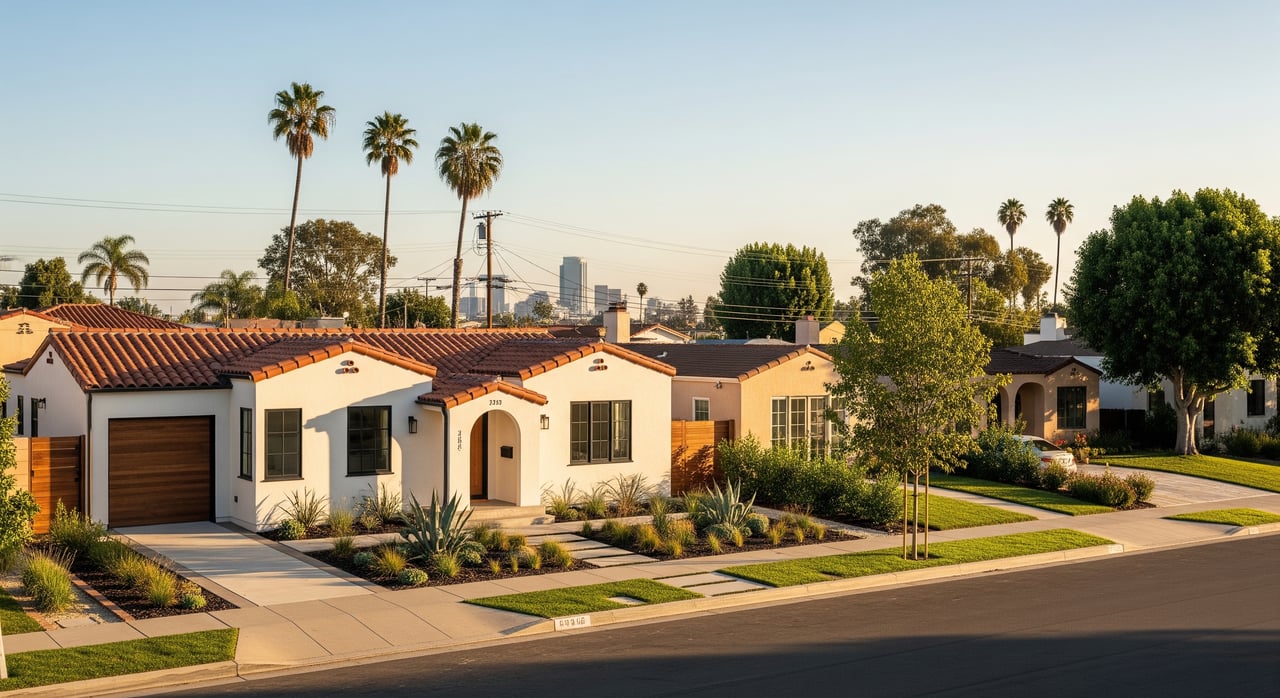
Carson sits in Los Angeles County near major job centers, including the ports and industrial corridors, with quick freeway access via I-405 and I-110. That regional connectivity supports steady rental demand. Many small multifamily buildings here were built in the mid-20th century, and you will find a mix of original condition properties and remodeled units.
For beginners, 2–4 units can be more accessible than larger apartments because many mortgages treat them as residential. You can live in one unit and rent the others, which can help offset your payment. Investors also like the flexibility and manageable scale of duplexes, triplexes, and fourplexes.
What counts as 2–4 units
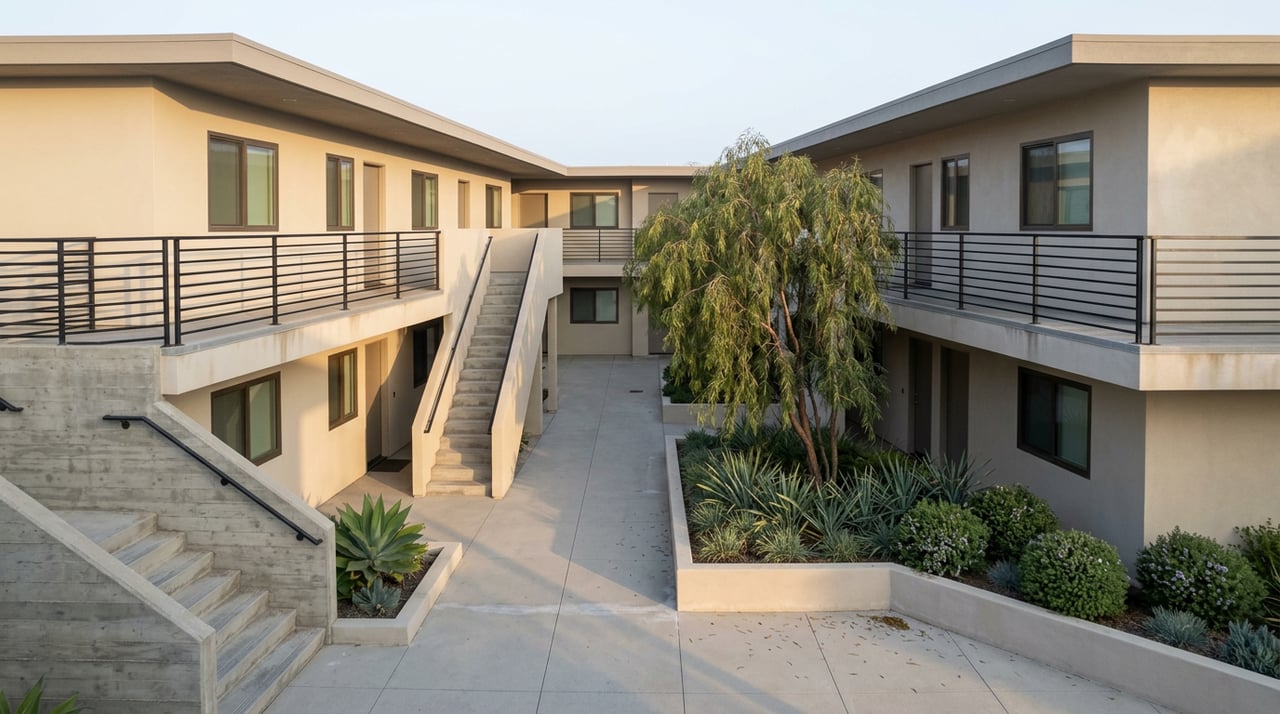
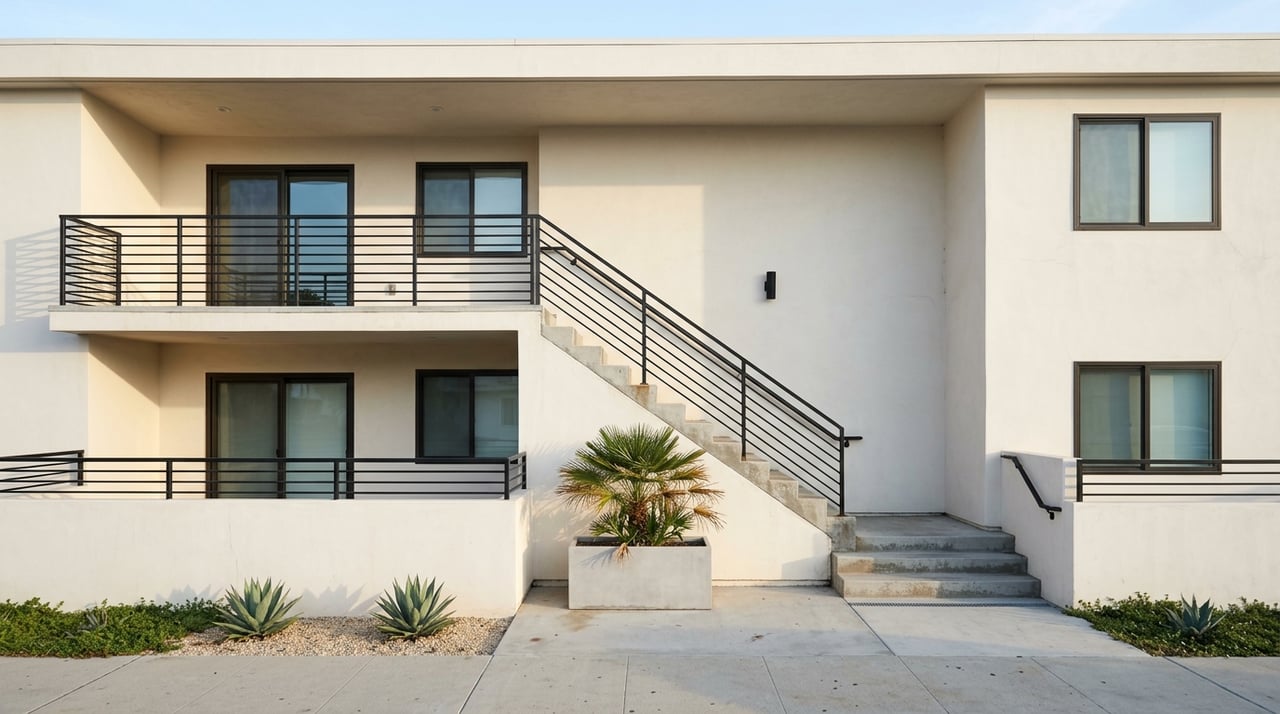
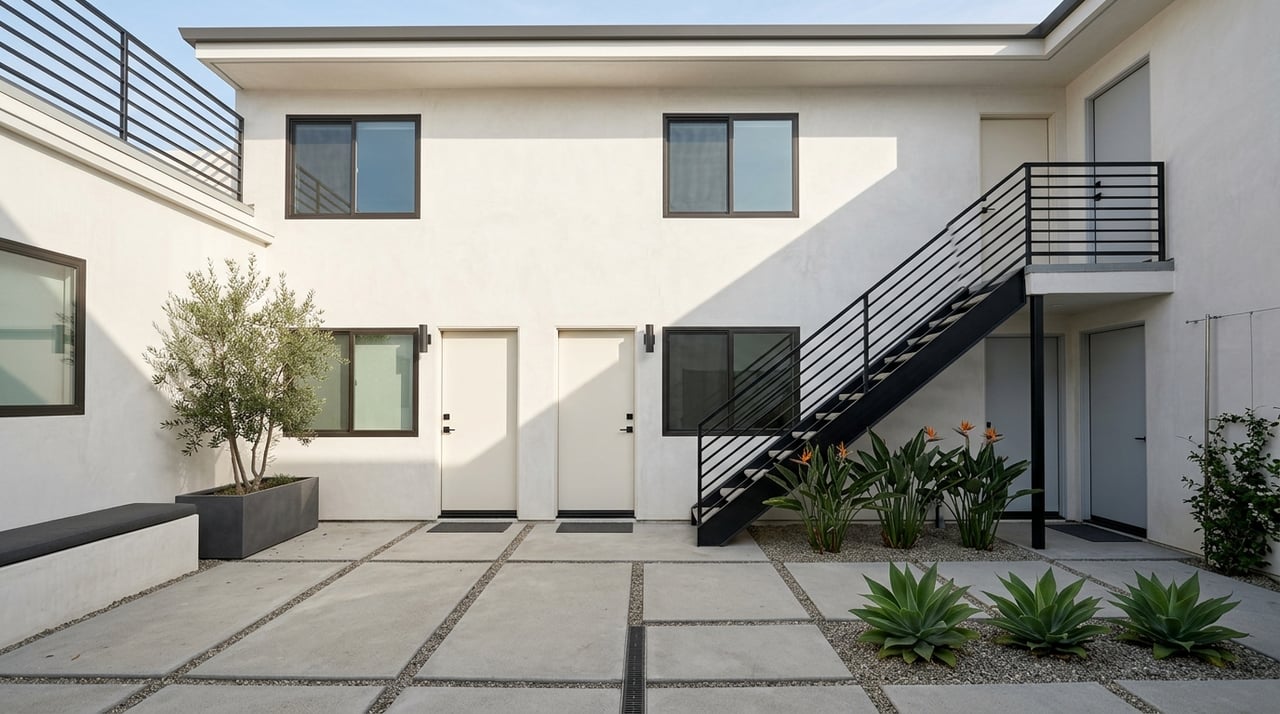
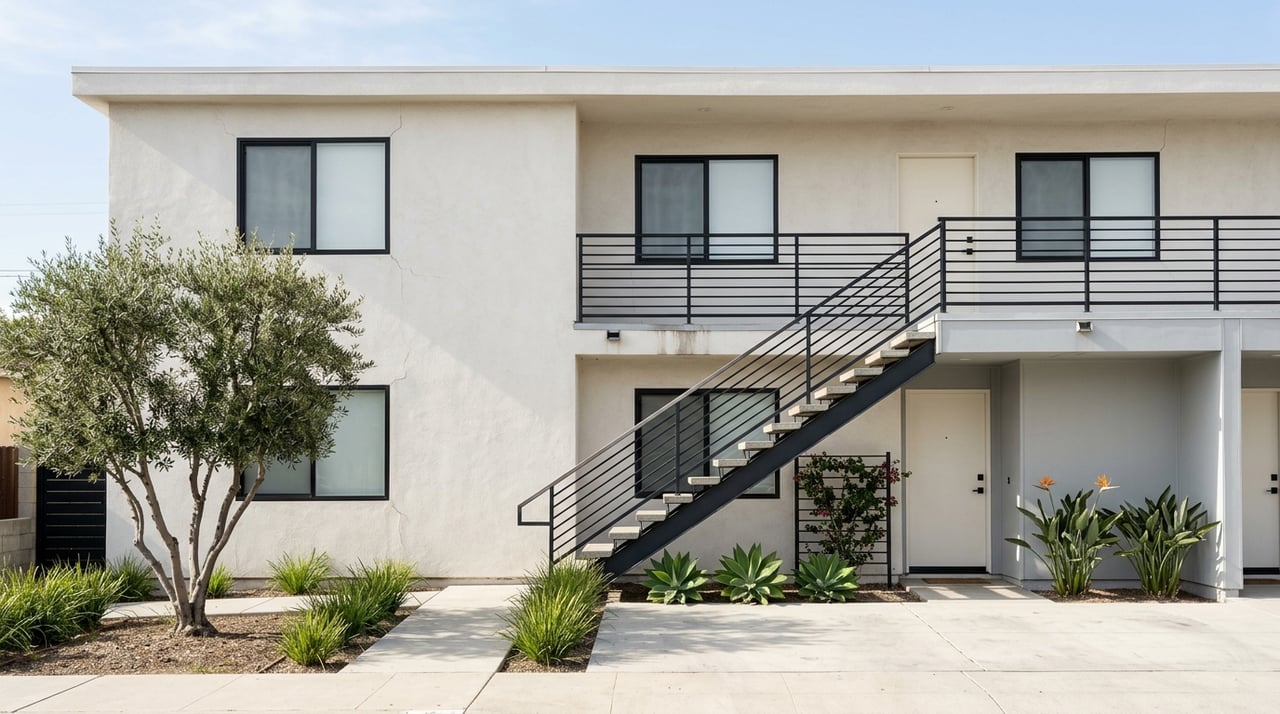
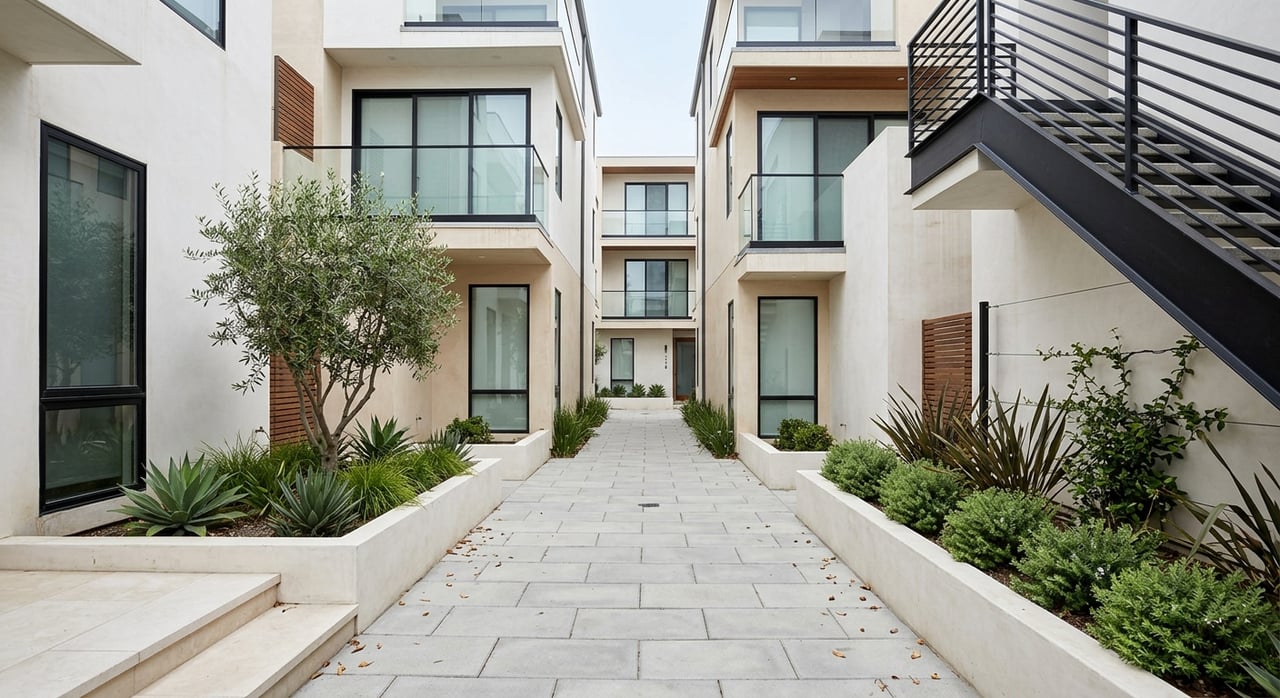
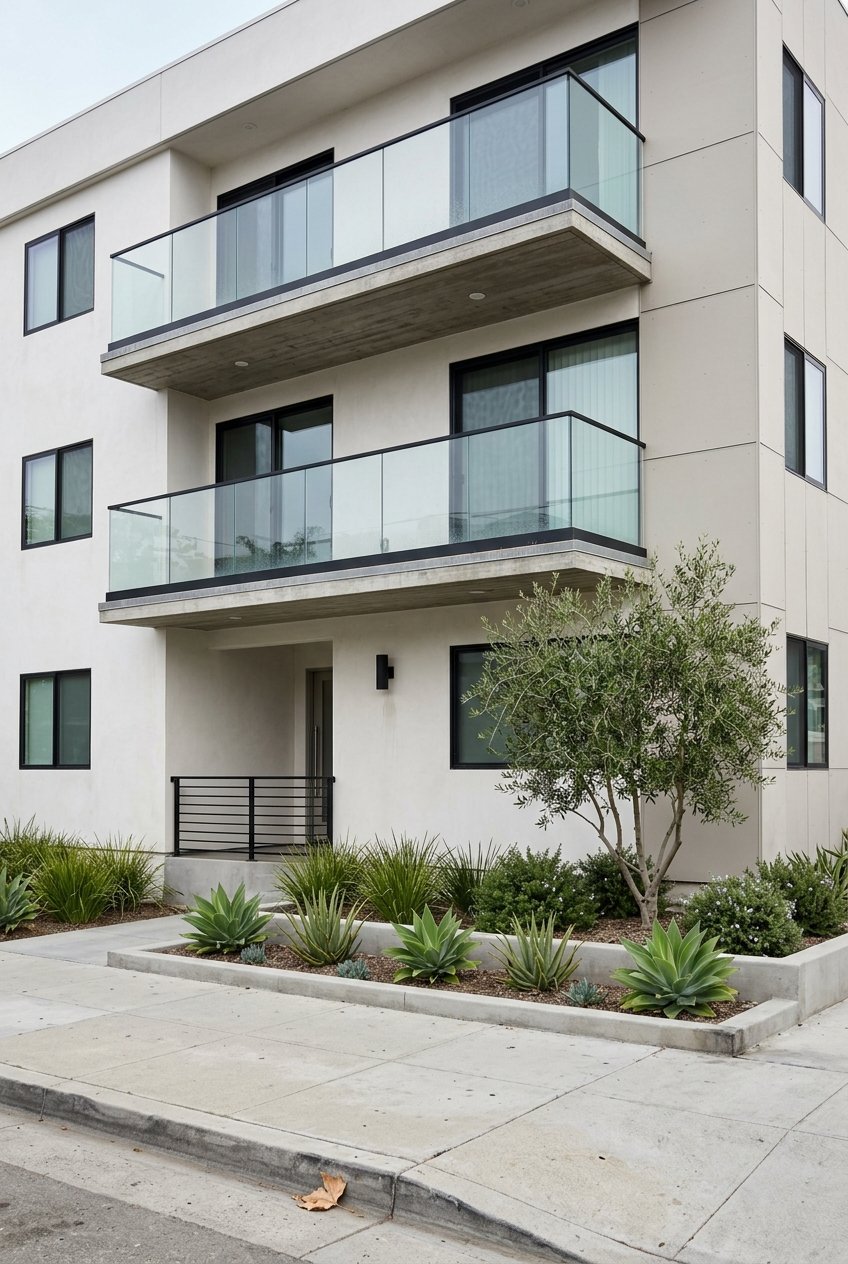
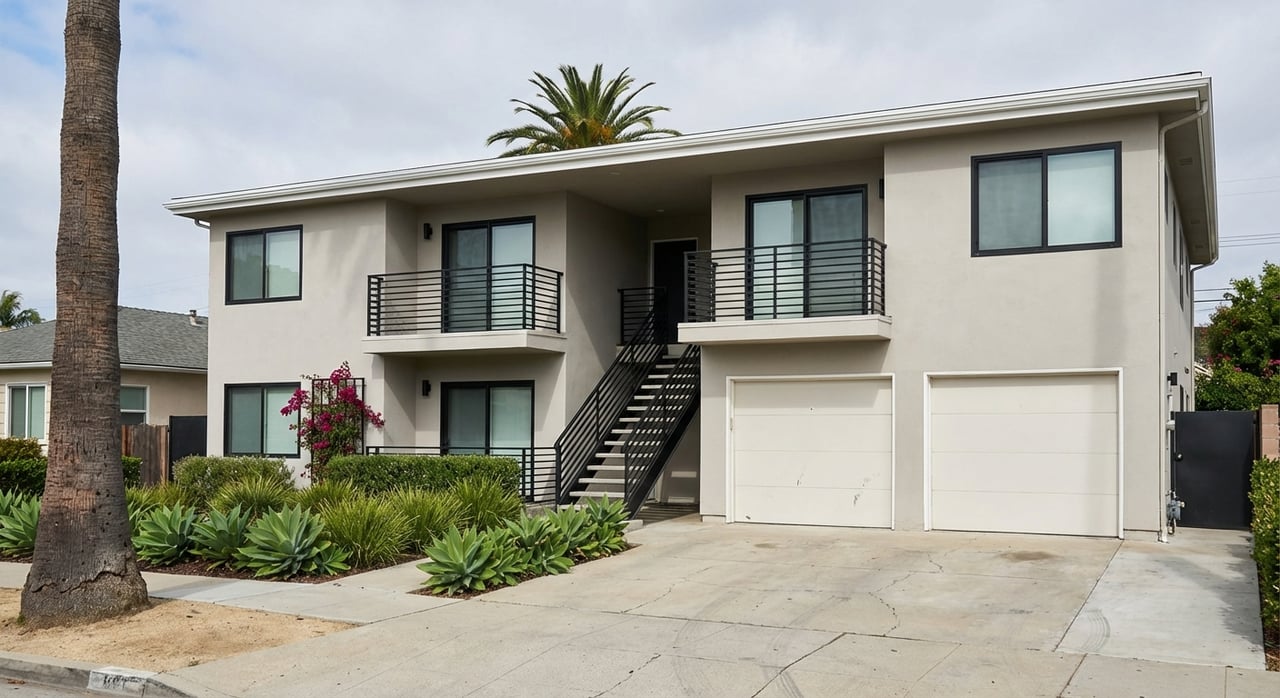
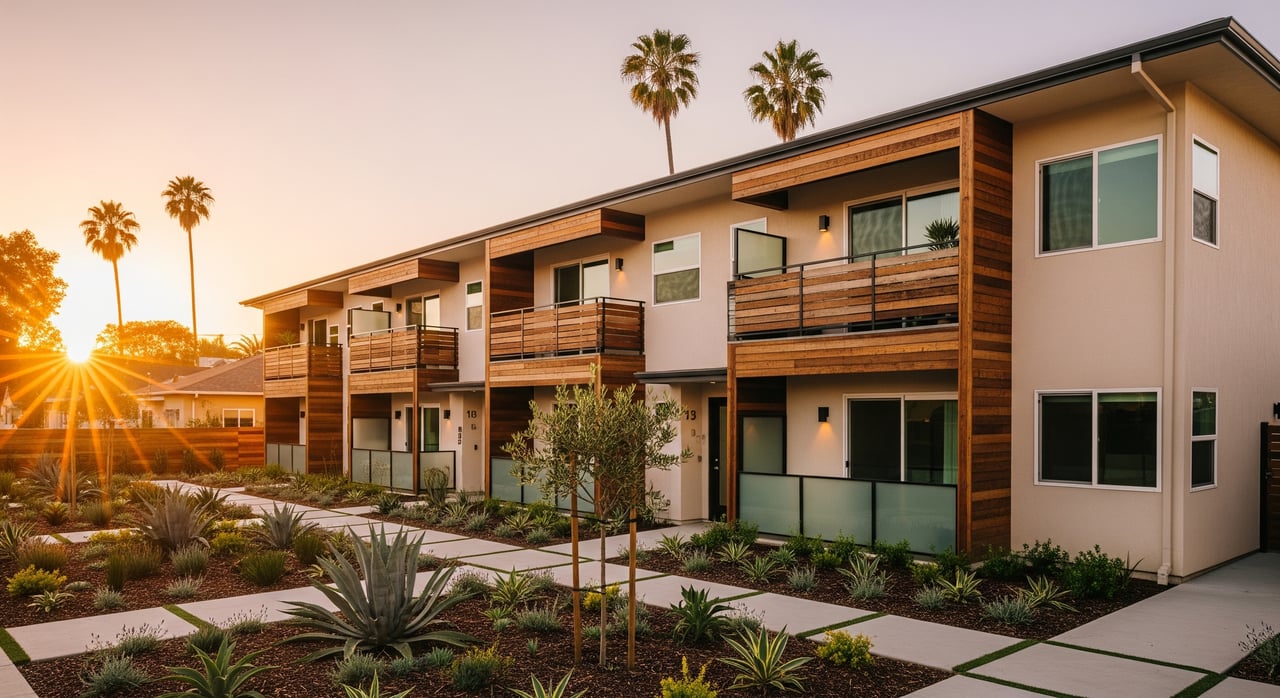
A 2–4 unit property includes a duplex, triplex, or fourplex on a single lot, with each unit being self-contained. These are generally classified as residential for lending and tax purposes, unlike 5+ unit buildings. Details such as zoning, unit legality, separate utility meters, and whether the property sits on one legal parcel can affect value and financing.
Local laws to know
California’s Tenant Protection Act (AB 1482) sets rent increase caps and just-cause eviction standards for many properties, with some exemptions. Confirm current applicability for your specific property. For buildings built before 1978, lead-based paint disclosure rules apply. Security deposit amounts and return procedures follow California law, so review the latest state requirements. Also confirm any City of Carson ordinances that may affect 2–4 unit rentals.
Estimate rents in Carson
Use a simple, repeatable process to triangulate realistic rent assumptions:
- Gather 5–10 active rental listings within 1–2 miles that match your unit type. Look to platforms like Apartments.com, Zillow, RentCafe, HotPads, and local property management sites.
- Filter and compare by bedroom count, bathrooms, parking, in-unit laundry, and overall condition. Adjust for clear differences.
- Cross-check broader context with U.S. Census ACS estimates for median rent and HUD Fair Market Rents for the county or metro.
- Ask your agent to pull local MLS small-multifamily comps with advertised or verified rents when available.
- Note seasonality and avoid using short-term or corporate rental listings that can skew averages.
Tip: Document your rent comp sources and dates, then revisit them before writing an offer to make sure your numbers remain current.
Financing options
Owner-occupant
- FHA 203(b): Purchase 1–4 units with a plan to occupy one unit as your primary residence. FHA has lower minimum down payment for qualified borrowers and requires mortgage insurance. County loan limits apply.
- FHA 203(k): Combines purchase and qualified rehab into one loan for 1–4 units. Useful if you plan to update kitchens, baths, or systems.
- Conventional: Fannie Mae and Freddie Mac offer options for 2–4 unit owner-occupied purchases, including some low down payment programs. Underwriting may give credit for documented or market-supported rental income from other units.
Investor
- DSCR and small-balance commercial: Common for non-owner-occupied 2–4 units. Expect higher down payments and minimum DSCR thresholds, often around 1.20–1.25 or higher depending on the lender.
- Portfolio and bank loans: Local banks and credit unions may offer flexible terms on 2–4 units. Requirements vary by institution.
- Cash or private financing: Useful for competitive timelines or heavy-rehab properties.
Underwriting basics
- Occupancy: FHA requires you to move in within a set period and generally remain for at least 12 months.
- Loan limits: FHA and conventional limits differ by unit count and change annually. Check current Los Angeles County limits with your lender.
- Rental income: Lenders may use actual leases or a percentage of market rent to qualify. A common approach is counting a percentage of gross scheduled rent. Methods vary by program.
- Down payment and MI: Multi-unit properties often have different down payment and mortgage insurance requirements than single-family homes. Confirm specifics with your lender.
Rehab financing
FHA 203(k) and conventional renovation programs such as HomeStyle let you finance approved repairs with the purchase. Scope, fees, and oversight differ by program, so align your rehab plan with lender rules before you write offers.
Pro forma example
Here is a simple, hypothetical fourplex example to illustrate the math. Use it as a template, then plug in your Carson-specific numbers from your rent comps and lender quote.
- Assumptions: Price $700,000. Rents: 1BR x2 at $1,600 and 2BR x2 at $2,000.
- Gross Scheduled Income (GSI): (1,600×2 + 2,000×2) × 12 = $115,200 per year.
- Vacancy at 6%: $6,912. Effective Gross Income (EGI) = $108,288.
- Other income: $1,200 (laundry/parking). EGI = $109,488.
- Operating expenses at 45% of EGI: $49,270. Net Operating Income (NOI) = $60,218.
- Cap rate: NOI ÷ Price = $60,218 ÷ $700,000 ≈ 8.6%.
- Debt service: Assume 75% LTV, 5% interest, 30-year amortization. Annual debt service approx $27,100 (hypothetical).
- Cash flow before tax: NOI − Debt Service ≈ $33,118.
- Cash-on-cash: If 25% down ($175,000), return ≈ $33,118 ÷ $175,000 ≈ 18.9%.
What this teaches you: small shifts in rent, vacancy, capex, and interest rates can materially change returns. Rerun your pro forma with sensitivity cases for rent minus $100 per unit, vacancy up by 1–2%, and higher maintenance to stay conservative.
Value and comps
Compare your subject property to recent 2–4 unit sales in Carson and adjacent South Bay micro-markets. Pull implied cap rates and GRMs from closing prices and reported income. In California’s major metros, cap rates are often lower than in many other regions, and property condition heavily influences both price and operating costs. Lean on local sales and current rent rolls to anchor your valuation.
Due diligence checklist
Use this list to organize your Carson purchase process:
- Title and ownership: deed history, liens, easements, and parcel status.
- Zoning and unit legality: verify that the number of units is permitted, and confirm any conversions were permitted.
- Permits and code: City of Carson Building & Safety records for additions, major work, and open permits; certificate of occupancy if applicable.
- Physical inspections: general, pest/termite, roof, electrical, plumbing, HVAC; consider foundation and seismic.
- Environmental and hazards: lead-based paint for pre-1978, asbestos risk in older materials, FEMA flood zones, and local earthquake risks or soft-story needs.
- Utilities: who pays what, separate meters, and historical utility costs.
- Tenant files: executed leases, rent roll, security deposits, move-in dates, rent history, and proof of payment; month-to-month versus fixed term.
- Financials: 2–3 years of income and expense statements and tax returns if available; confirm property tax assessments and any special taxes.
- Insurance: property and liability coverage; evaluate earthquake insurance costs.
- Compliance: AB 1482 applicability, security deposit handling, disclosures, and any ongoing legal matters.
- HOA: if any, review CC&Rs, rules, and fees.
- Capital plan: immediate repairs plus a 5–10 year reserve plan for roof, systems, exterior paint, and appliances.
- Financial sensitivity: rerun pro formas with conservative assumptions for vacancy, rate, and capex.
Next steps
If you want a clear path from curiosity to confident offer, start with a quick rent comp review and a lender call to confirm your loan options. Then walk a few properties to calibrate condition and rent potential. When you are ready, we will help you underwrite, negotiate, and navigate Carson-specific due diligence with care.
Let’s set up a personalized strategy session tailored to your goals. Contact the Kawata Team to get started.
FAQs
What is a 2–4 unit property in California?
- A duplex, triplex, or fourplex on one lot with self-contained units, generally treated as residential for lending and tax purposes.
How does AB 1482 affect a Carson duplex purchase?
- AB 1482 often caps rent increases and sets just-cause eviction rules, with exemptions; verify applicability for the specific property and tenant situations.
Can I use FHA to buy a fourplex in Carson as an owner-occupant?
- Yes, FHA allows 1–4 units if you occupy one unit, subject to loan limits, mortgage insurance, and program rules that your lender will confirm.
How do I estimate market rent for a Carson triplex?
- Compile 5–10 nearby listings for similar unit types, adjust for features and condition, cross-check with ACS and HUD FMR data, and confirm with local MLS comps.
What inspections are recommended for older Carson fourplexes?
- At minimum, general, pest/termite, roof, electrical, plumbing, and HVAC, with foundation and seismic checks often advised for older structures.
What is DSCR and why does it matter for investor loans?
- Debt Service Coverage Ratio compares NOI to annual debt service; lenders typically require a minimum DSCR threshold when underwriting non-owner-occupied loans.