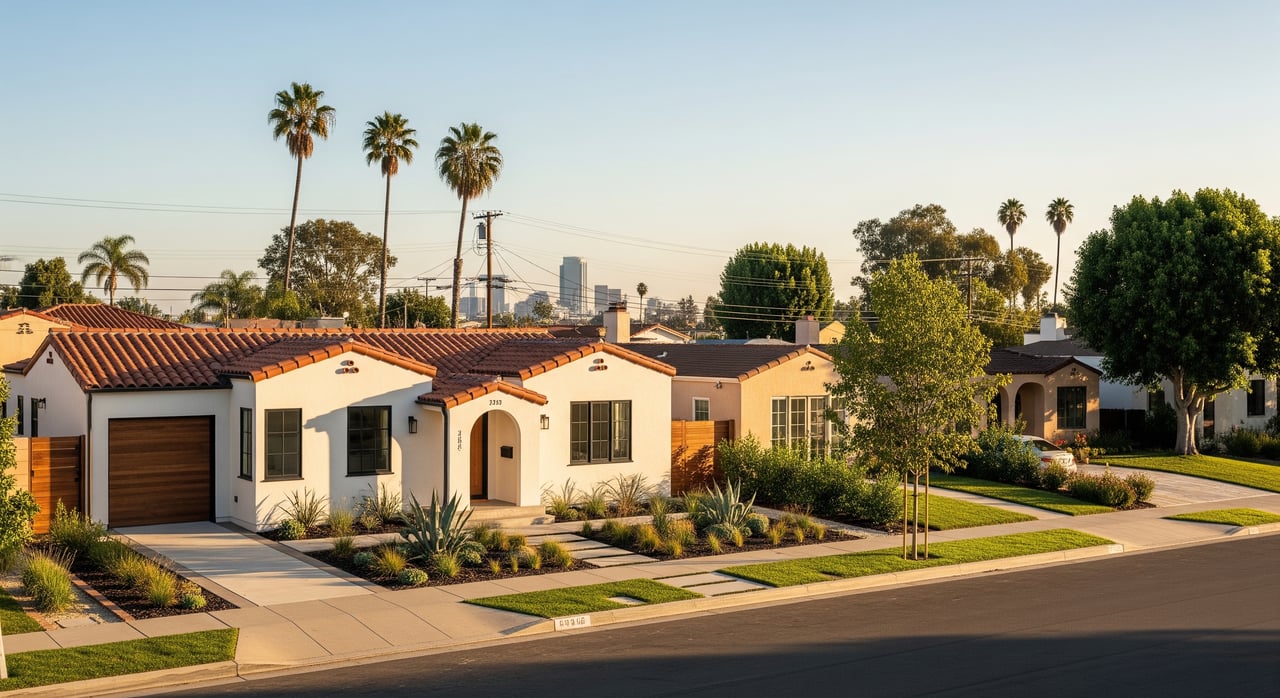
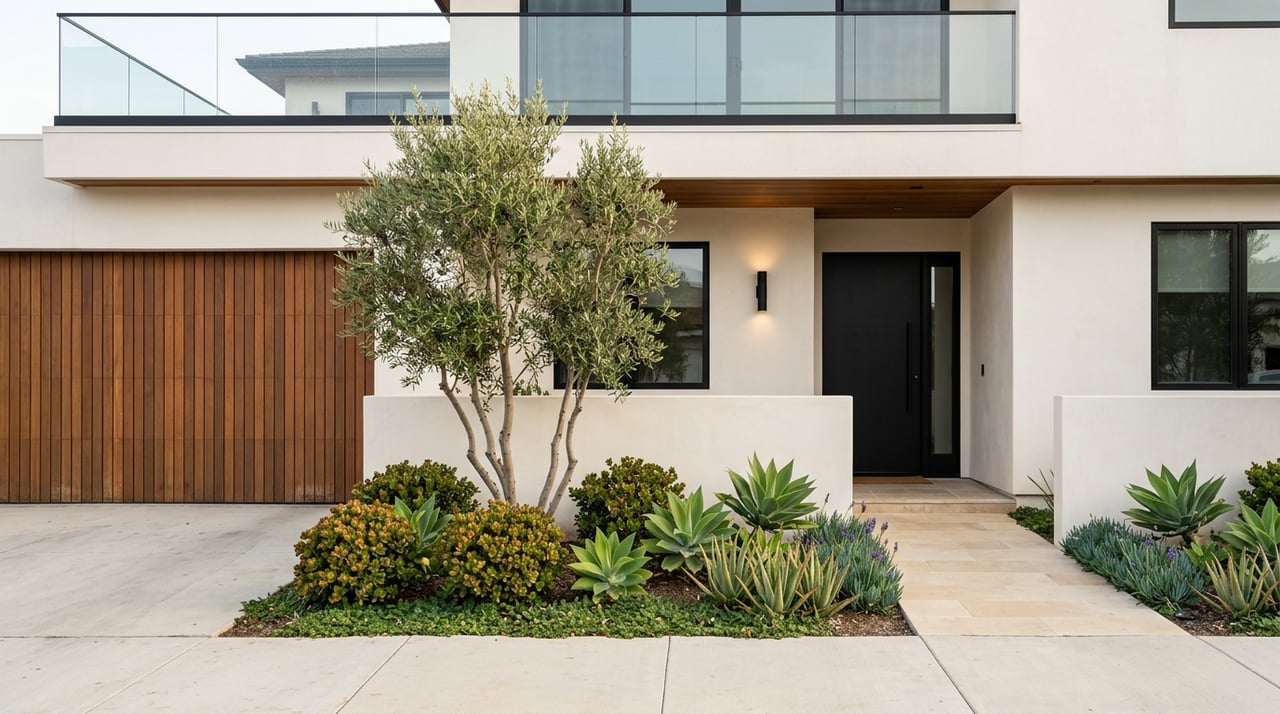
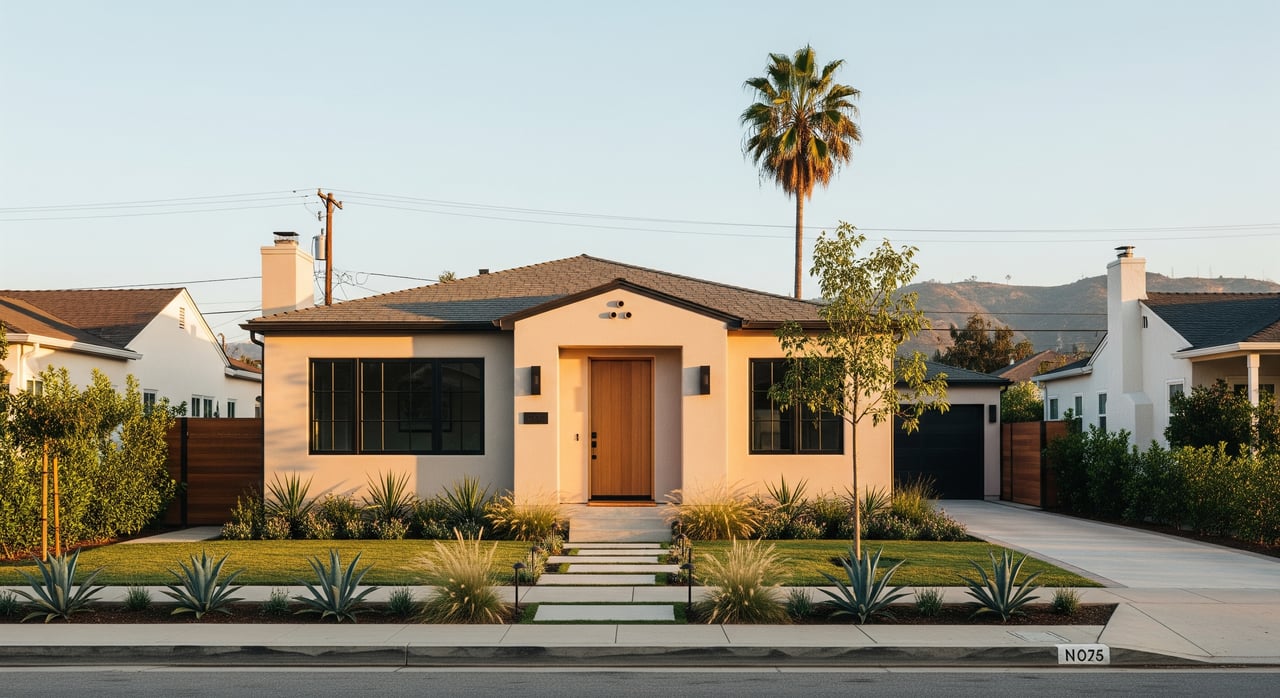
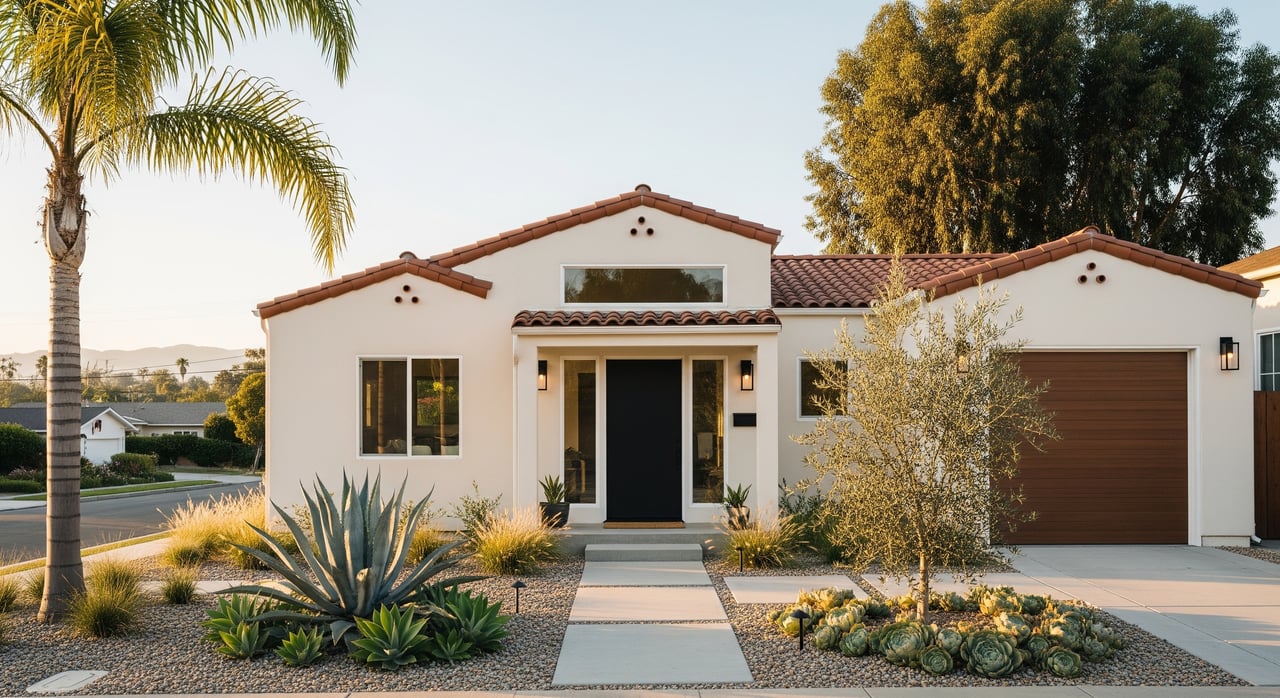
Ever notice how one block in Manhattan Beach feels cool and misty while a few streets over it is sunny and warm? If you are comparing homes in 90266, those small differences are not your imagination. They are local microclimates at work, and they shape your daily comfort, outdoor living, energy use, and even long-term maintenance. In this guide, you will learn what drives microclimates here and how conditions vary from the Strand to the Hill and east side. You will also get a simple checklist to evaluate any property. Let’s dive in.
Why microclimates matter in 90266
Coastal Southern California has a few reliable weather patterns that shape how each part of Manhattan Beach feels day to day. The morning marine layer often brings cool, low clouds that clear by midday, especially in warmer months. The afternoon sea breeze moves marine air inland, which can keep beachfront areas cooler and windier. During fall and winter, occasional offshore Santa Ana winds bring hot, dry conditions that feel very different from a typical coastal day. For plain-English background, the National Weather Service Los Angeles explains local marine layers, sea breezes, and Santa Ana events.
Sun and wind are only part of the story. Elevation and topography matter because even small height changes can sit a home above or within morning fog. Vegetation and the built environment can shield a yard from wind or allow breezes to pass through. Orientation and sightlines influence when sun reaches patios and living rooms.
Microclimates across Manhattan Beach
Strand and oceanfront
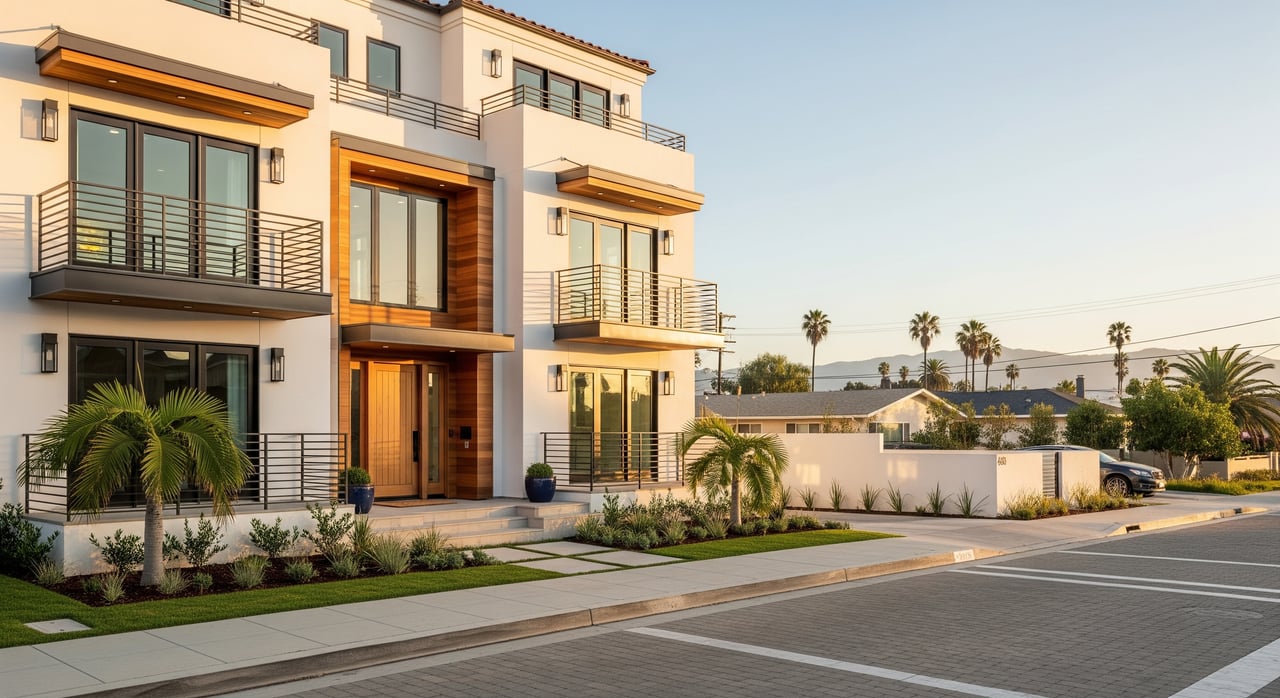
Oceanfront homes sit at sea level and feel the strongest marine influence. Expect the most frequent morning fog or low clouds, cooler daytime highs, and consistent afternoon breezes. Salt spray and humidity are higher right on the sand, and exposed decks and railings face more corrosion. You get unmatched beach access, but morning sunshine can be less reliable on foggy days.
Hill Section and bluffs
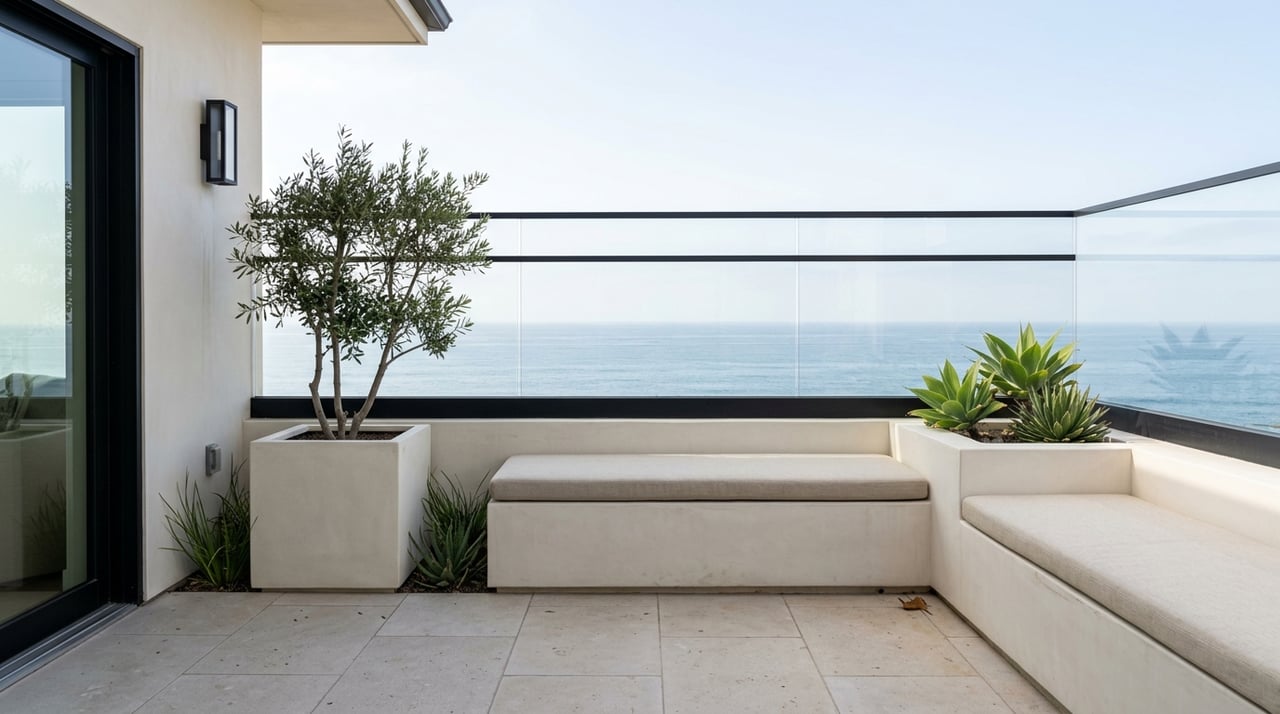
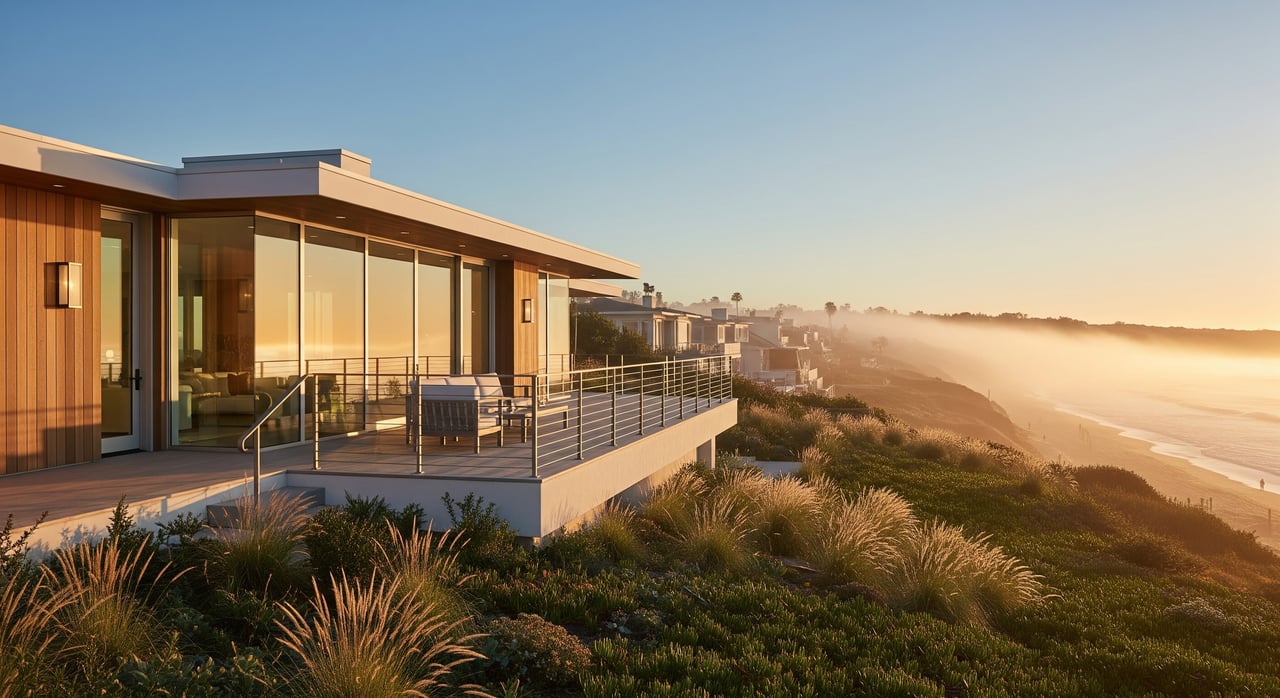
Elevated homes on the bluffs and in the Hill Section often clear the shallow marine stratus earlier, so mornings can be sunnier. You will likely feel more air movement and cooler evening breezes. Many properties enjoy partial to panoramic ocean views, which can also increase exposure to wind and salt in direct line of sight to the coast.
Sand and Tree Sections
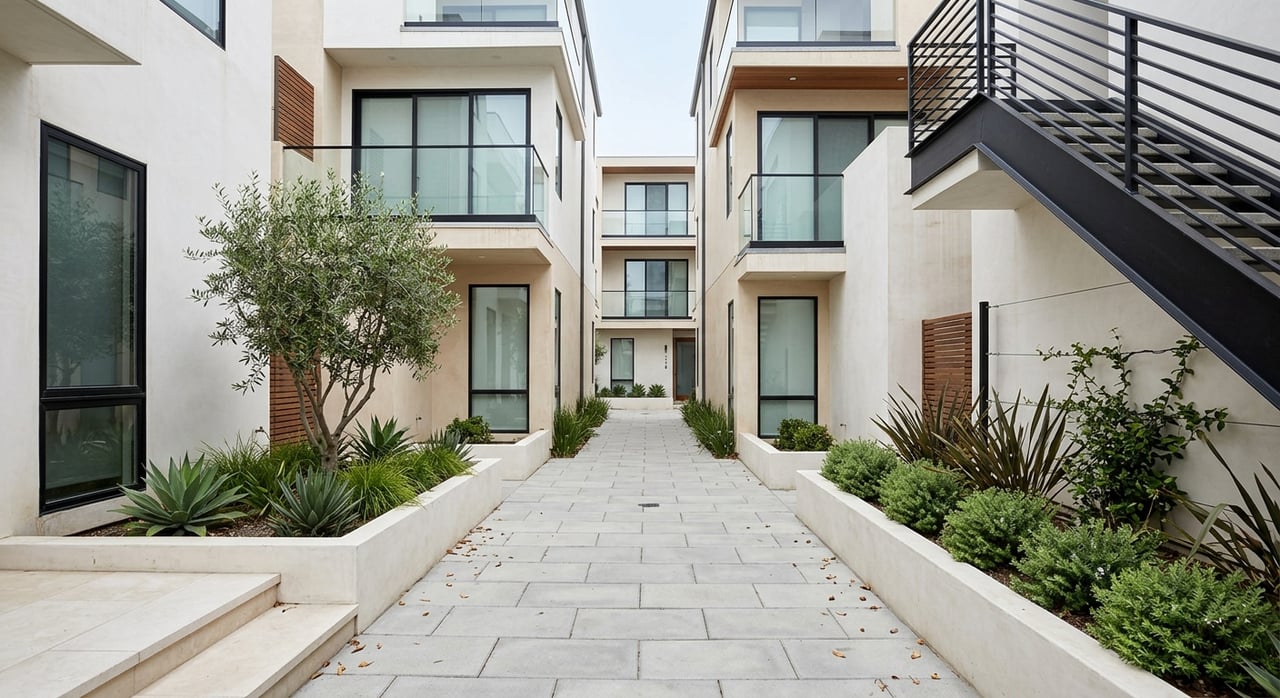
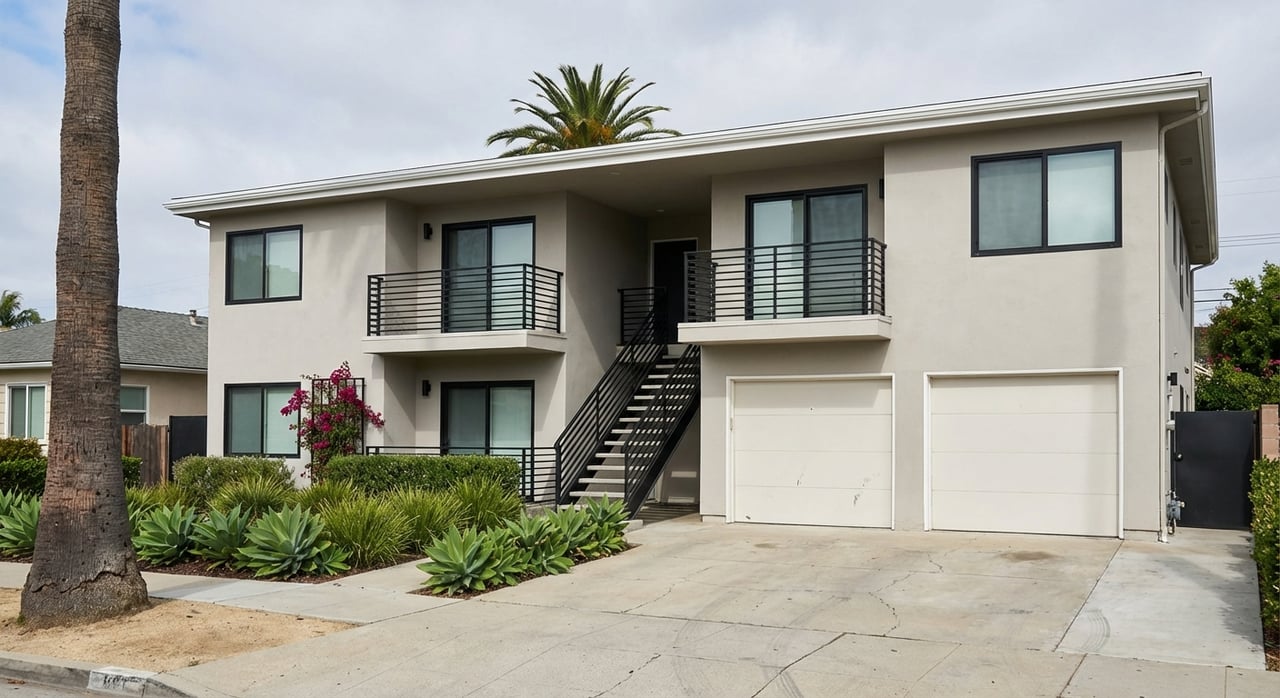
Just off the Strand and farther inland, these interior blocks tend to be more sheltered from prevailing breezes. They still feel the marine layer at times, but paving, buildings, and tree canopy create warmer, calmer pockets as the day goes on. Outdoor spaces are often easier to use year round, with less salt stress on plants and materials than the immediate oceanfront.
Eastern neighborhoods near Sepulveda and Artesia
Homes on the east side of Manhattan Beach usually see the weakest marine intrusion in town. Mornings clear earlier, afternoons run warmer, and day-night temperature swings are a bit larger. This can benefit pools, gardens, and solar potential. On rare offshore wind days, these areas can feel significantly warmer and drier.
What it means for daily living
Outdoor spaces and comfort
- If you love morning coffee in the sun, prioritize higher elevation or east-side homes that clear fog earlier.
- Strand and bluff-front homes feel wind more often. Plan for anchored furniture, glass windbreaks, or dense hedging to create sheltered zones.
- Sheltered interior blocks often feel quieter and warmer, with more usable patios into the evening.
Energy, HVAC, and indoor comfort
- The coast’s natural moderation often lowers cooling needs compared with inland LA. Smaller AC systems can be sufficient, but the marine layer can add humidity that feels clammy without good ventilation or dehumidification.
- Sunnier bluff and east-side homes can gain passive heat in winter, which may reduce heating needs. On occasional hot spells or Santa Ana events, cooling demand can spike temporarily.
Solar and shade planning
Morning marine clouds can reduce early PV output, but midday and afternoon sun still produce strong yields when the layer clears. Hill and east-of-coast addresses that escape morning clouds more often can see more consistent production. To estimate output for a specific roof and tilt, use the NREL PVWatts calculator, and factor in local shading and typical cloud patterns.
Landscaping that thrives
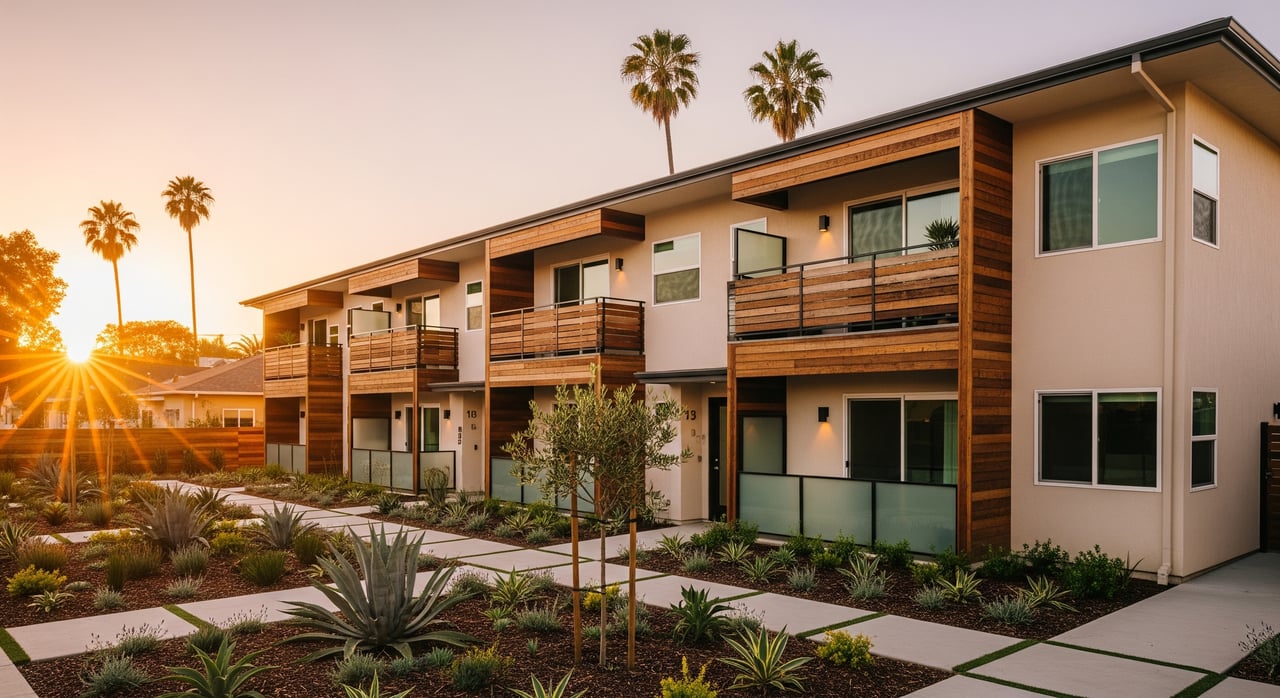
Near the beach, plan for salt-tolerant, wind-hardy species such as coastal grasses, succulents, and certain palms. Farther inland and in sheltered streets, a wider plant palette can thrive. Morning fog reduces water stress but can raise fungal risk where sun is limited. A local resource like the UC Master Gardener program offers guidance on coastal plant choices and care.
Materials, maintenance, and durability
Salt exposure accelerates corrosion on metal railings, fasteners, screens, and HVAC condensers near the water. Use stainless or galvanized hardware and coastal-grade finishes, and plan for more frequent maintenance on the Strand. Persistent moisture can also stress exterior wood without proper flashing and ventilation. Thoughtful material choices and regular upkeep protect value over time.
Flooding and long-term risk
Low-lying beachfront parcels face higher exposure to coastal flooding and storm surge, and long-term sea-level rise is an important planning factor. Before you buy, check your address in the FEMA Flood Map Service Center and review local sea-level guidance from the California Coastal Commission. For a broader climate view, the state’s Cal-Adapt tools show coastal risk scenarios to help you plan for resilience and insurance needs.
How to evaluate a home’s microclimate
You can learn a lot about a property’s feel by visiting at different times and asking targeted questions. Use this simple checklist to compare homes.
On-site checklist at showings
- Visit in the morning. Are you in fog at 9 to 10 a.m., and when does it clear? Note sun on patios and main living areas.
- Return in the afternoon. How breezy are balconies and yards after 2 p.m.? Which sides feel most sheltered?
- Check orientation. South and west exposures get more afternoon sun. East-facing areas get morning light, which may be softer on foggy days.
- Note elevation and sightlines. Are you above surrounding rooftops, or do nearby trees and buildings block sun and views?
- Scan for salt and wear. Look at metal fixtures, railings, window hardware, and the HVAC condenser for corrosion.
- Review drainage. Identify low spots, yard grading, and nearby street drains for heavy rain events.
Smart questions to ask
- How often does morning marine stratus reach the yard or patio, and how quickly does it clear?
- Have you had issues with corrosion or needed coastal-grade materials?
- Do you use dehumidification or extra ventilation during foggy periods?
- Is the property in a FEMA flood zone or subject to coastal storm advisories?
- If solar is installed, can we review actual production data and any seasonal patterns?
Data tools and where to look
- For local weather context, see the National Weather Service Los Angeles and NOAA’s overview of how sea breezes work.
- For flood zones, use the FEMA Flood Map Service Center.
- For sea-level planning, review the California Coastal Commission’s sea-level rise page and scenarios in Cal-Adapt.
- For solar yield, model your roof in the NREL PVWatts tool.
- For local elevation and planning references, start with the City of Manhattan Beach planning department.
- For plant selection, consult the UC Master Gardener program.
Making the right trade-offs
- If you want the sound of waves, beach paths out your door, and can accept more fog, wind, and maintenance, oceanfront living can be a great fit.
- If you prioritize sunshine, views, and breezier evenings, the Hill Section and bluffs offer a compelling balance.
- If you want sheltered, easy outdoor living with moderate marine influence, consider the Sand and Tree Sections.
- If warm afternoons, gardens, and strong solar potential matter most, the east side will often deliver those conditions.
As South Bay locals who guide lifestyle buyers and sellers every day, we help you weigh these microclimate trade-offs against your wish list and budget. Ready to match a property to the way you live? Reach out to the Kawata Team for a one-on-one consultation and neighborhood tour tailored to your goals.
FAQs
What is the marine layer in Manhattan Beach?
- A cool, shallow layer of moist ocean air that often brings fog or low clouds to the coast in the morning, typically clearing by midday on many days.
How does the Hill Section’s elevation change sun and wind?
- Being higher can place homes above shallow fog, leading to sunnier mornings and more airflow, with potential for stronger winds on exposed faces.
Are Strand homes at higher flood risk?
- Low-lying beachfront properties face greater coastal flooding and storm-surge exposure, so checking FEMA flood zones and local planning guidance is important.
Do I need air conditioning in 90266?
- Many coastal homes have lower cooling needs due to marine moderation, but occasional heat and Santa Ana events can make supplemental cooling desirable.
Does microclimate affect solar panel output?
- Yes. Morning clouds can reduce early production. Roof orientation, shading, and how often fog clears at your address determine total yield.
What plants do better near the beach?
- Salt-tolerant and wind-hardy species, including many coastal grasses and succulents, typically perform better than delicate ornamentals near the Strand.