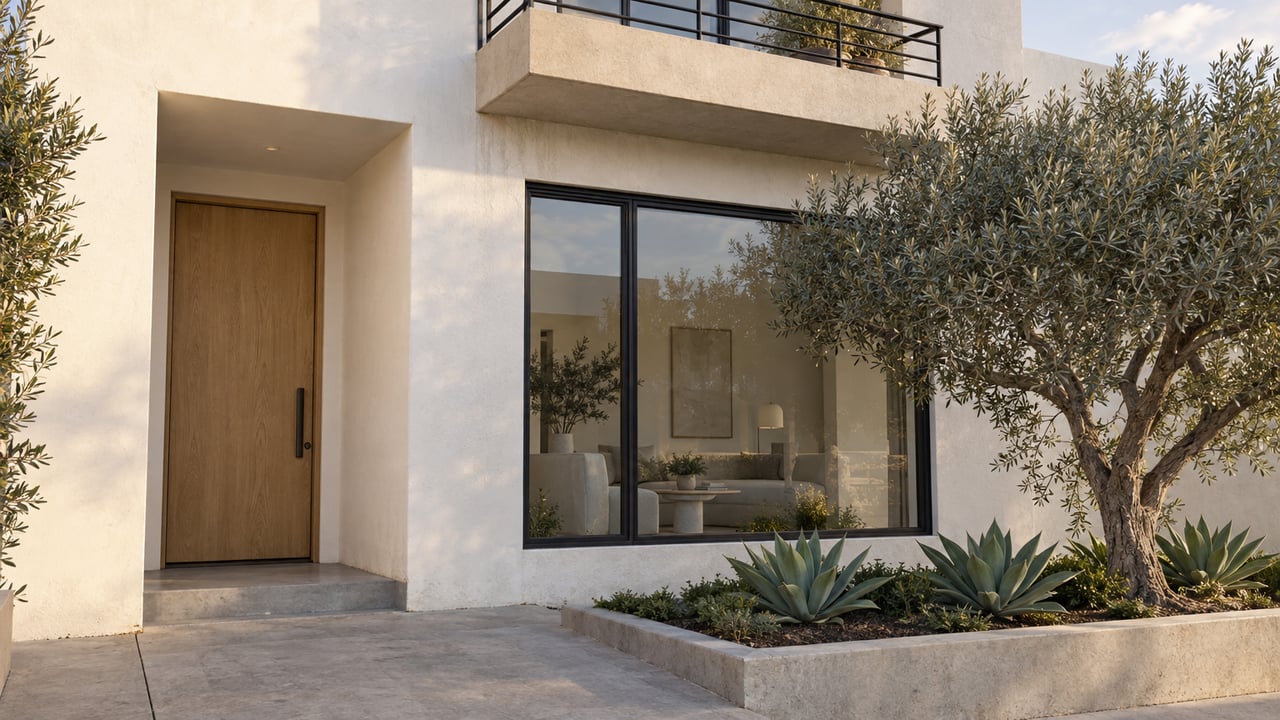
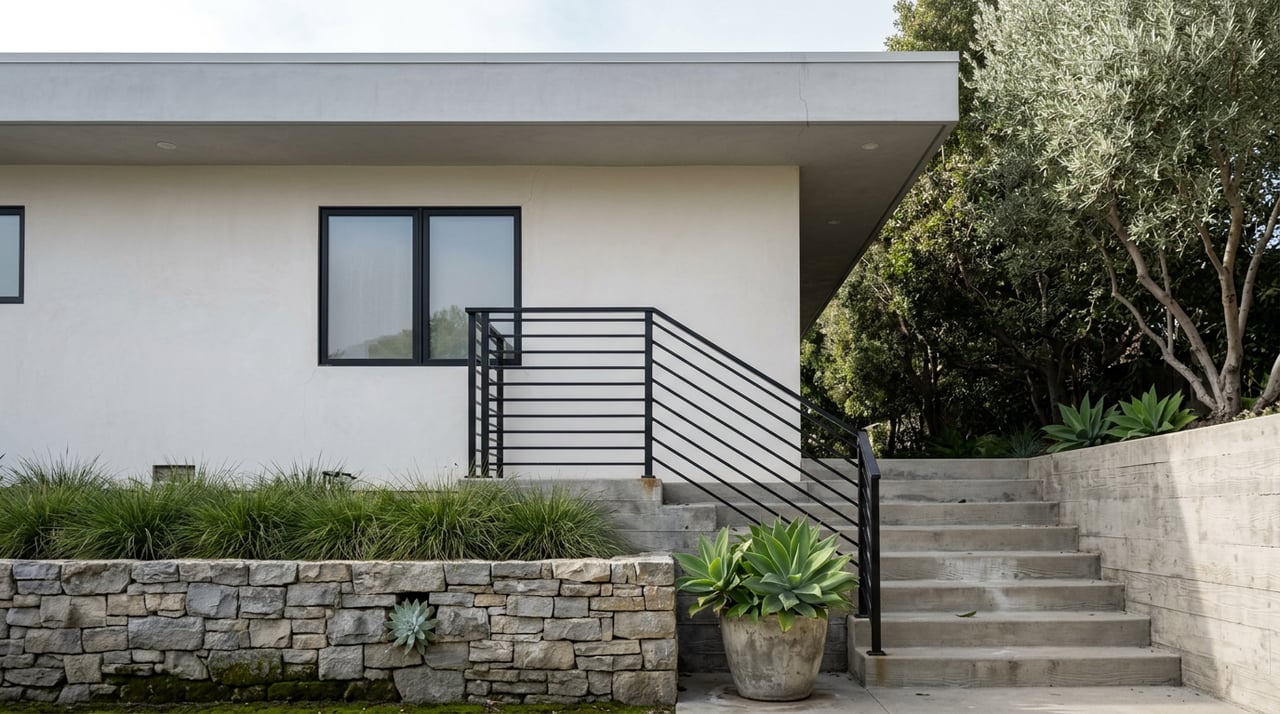
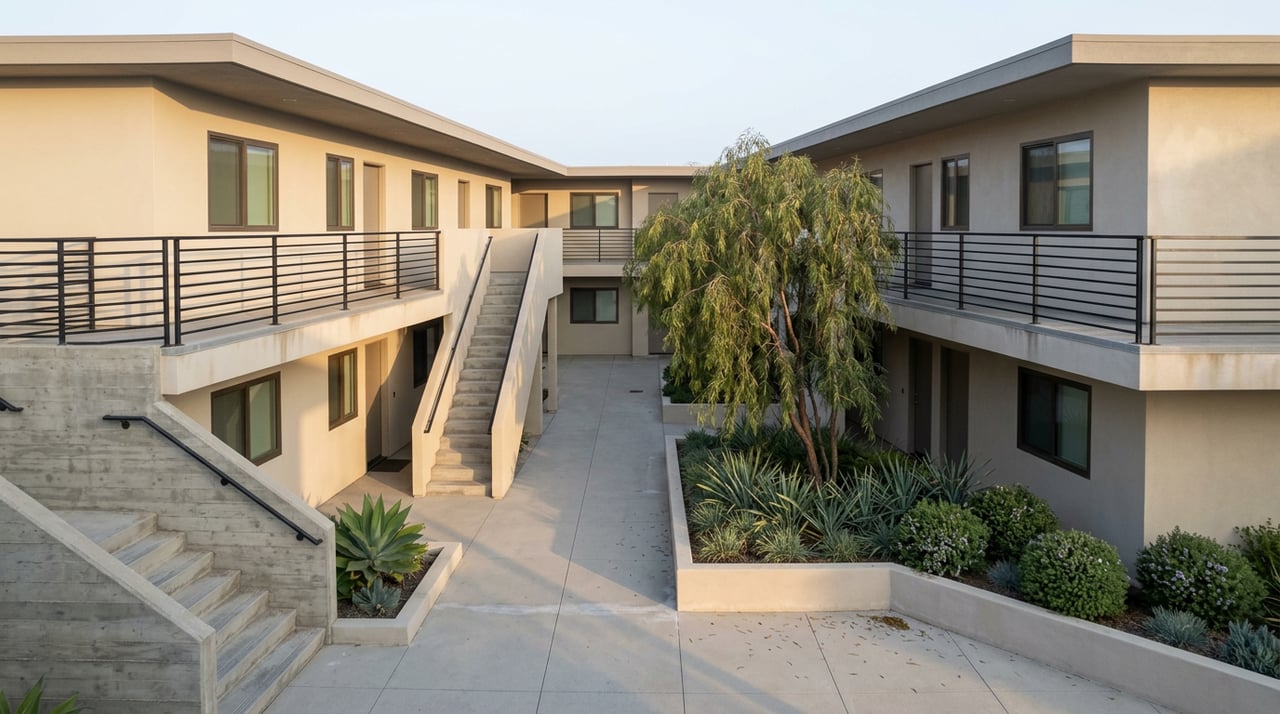
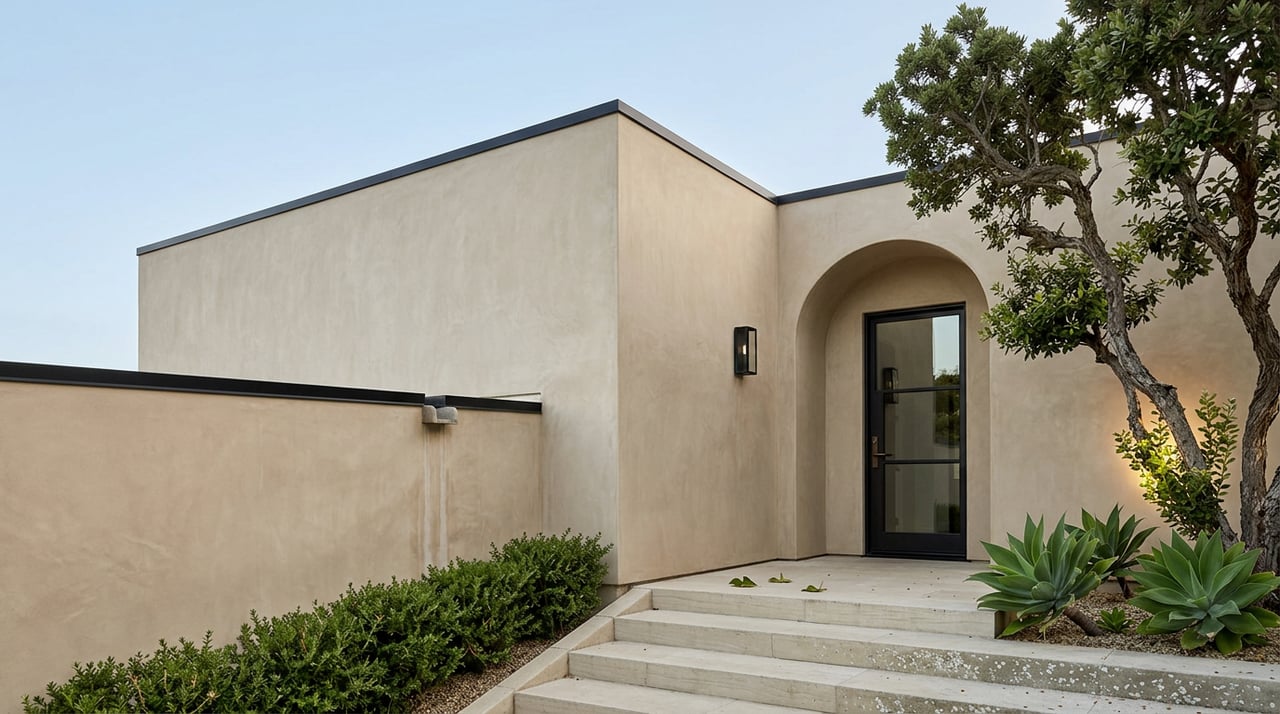
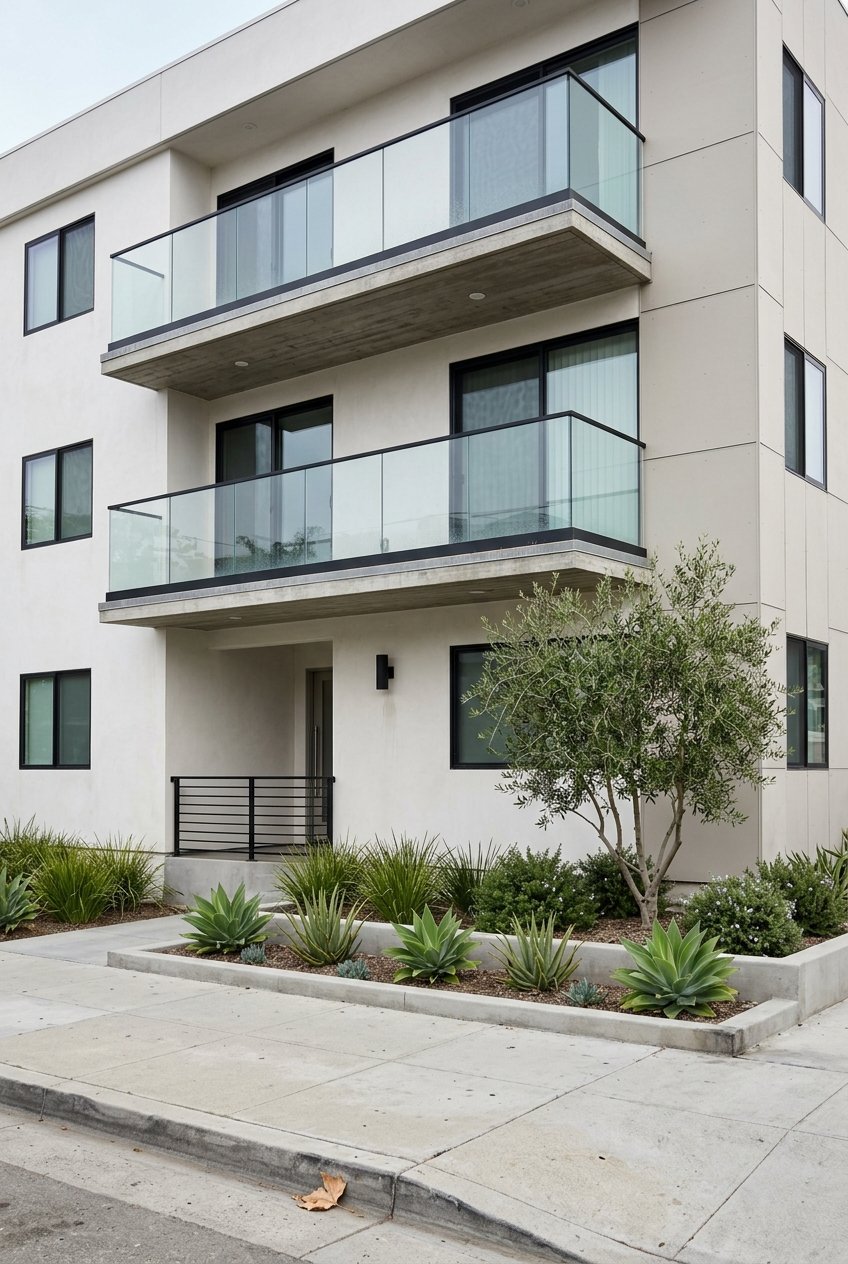
Wondering whether a condo or townhome in San Pedro could give you the coastal lifestyle you want without the upkeep of a detached house? You are not alone. For many buyers, San Pedro stands out for its waterfront setting, varied housing options, and more approachable entry points compared with some single-family homes in the area. This guide will help you understand what condo and townhome living can look like in San Pedro, what drives value, and what to review before you make a move. Let’s dive in.
Why San Pedro Appeals to Buyers
San Pedro offers a mix that is hard to ignore. The City of Los Angeles describes it as a stable community with distinct natural beauty, cultural heritage, and proximity to the Port and waterfront, while still keeping a small-town feel. That combination gives you both everyday convenience and a strong sense of place.
The community plan area includes Point Fermin, the Palisades, Vinegar Hill, and Rancho San Pedro. Each area can feel a little different in terms of topography, views, and housing style. If you are comparing condo and townhome options, your exact location within San Pedro can shape both your daily routine and your long-term value.
Condo and Townhome Prices in San Pedro
If affordability is part of your decision, condos and townhomes can offer an important middle ground. Spring 2026 listing snapshots showed a median listing price of about $819,500 for San Pedro overall, while Coastal San Pedro condos showed a smaller inventory with a median listing price of about $599,000. In ZIP code 90732, the median listing price was about $874,000 in April 2026.
These are listing-based snapshots, not formal valuations, but they are still useful for perspective. In current listings, condo asking prices range from the low $400,000s to about $1.1 million, while townhome examples range from about $699,000 to just over $1.0 million. That range tells you something important: in San Pedro, price is shaped heavily by views, building age, interior updates, parking, and HOA amenities.
What Floor Plans You Can Expect
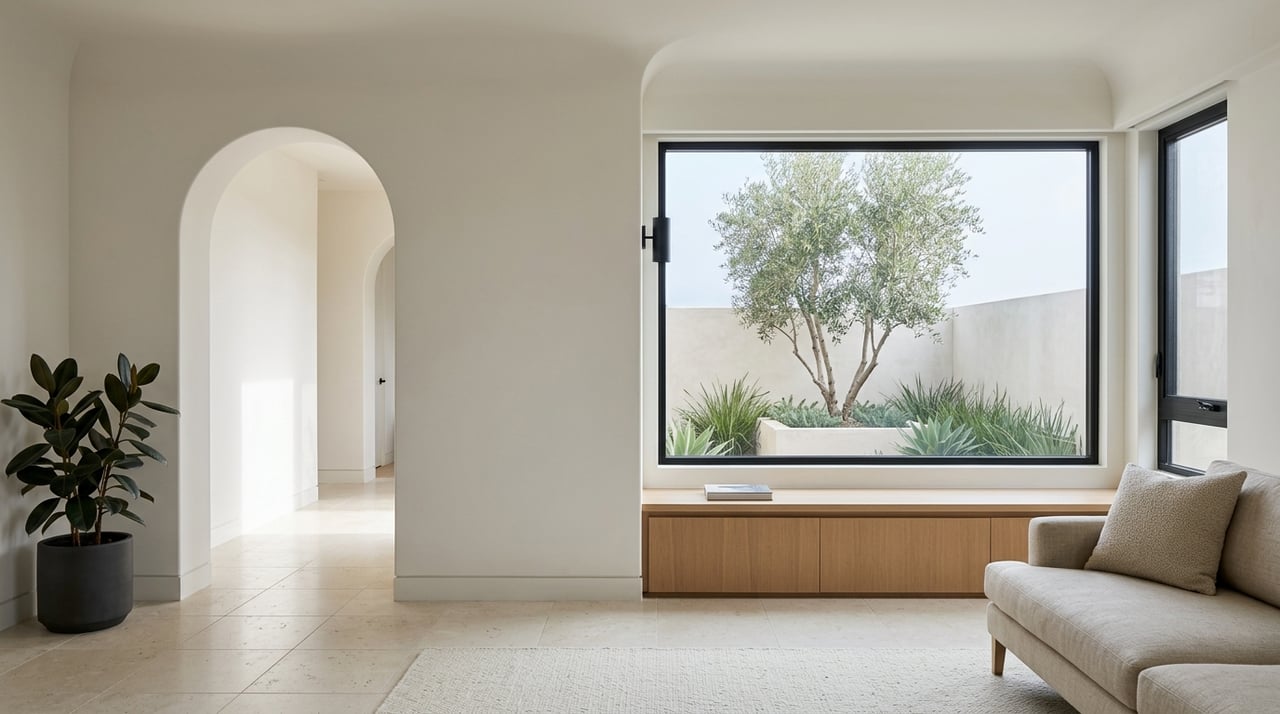
San Pedro has a wider mix of attached housing than many buyers expect. Current condo listings include one-bedroom units around 711 to 864 square feet, two-bedroom layouts around 839 to 1,431 square feet, and three-bedroom condos around 1,272 to 1,928 square feet. That means you can find options suited to very different budgets and household needs.
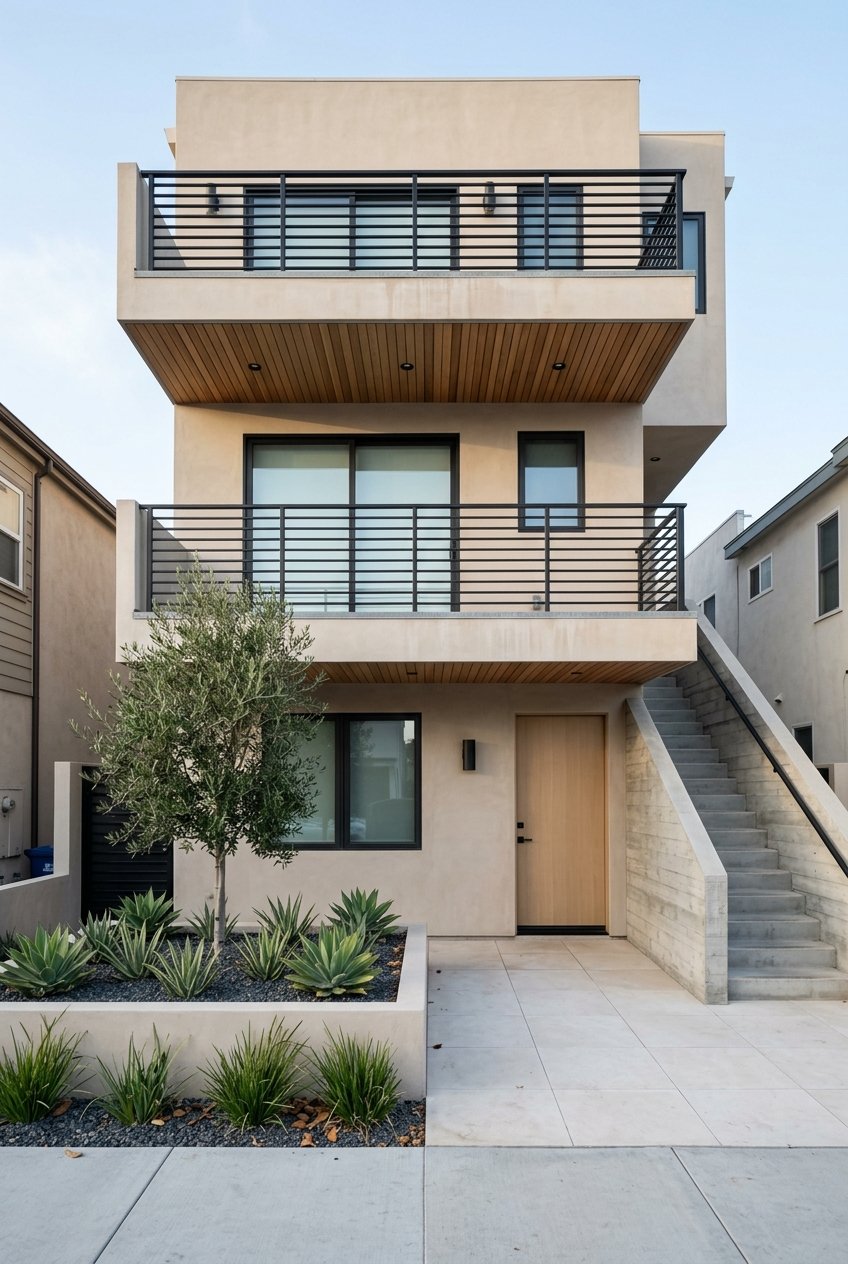
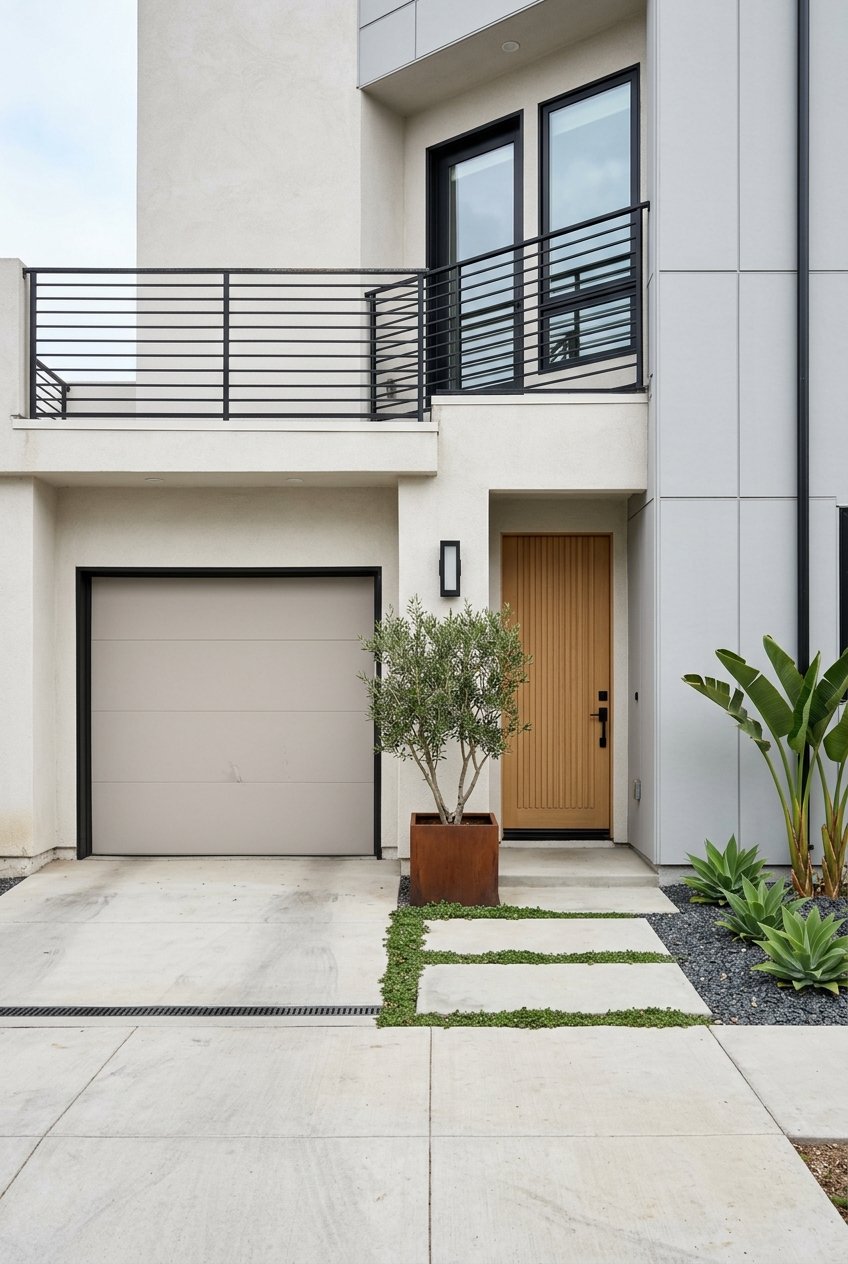
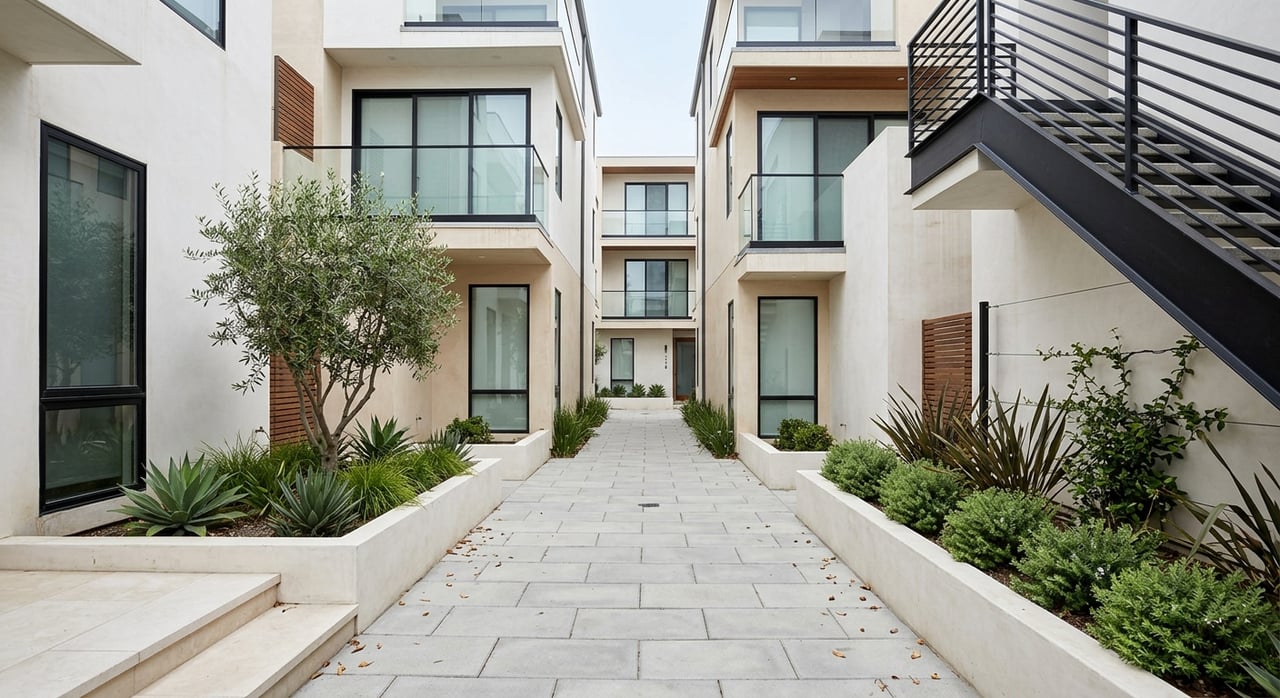
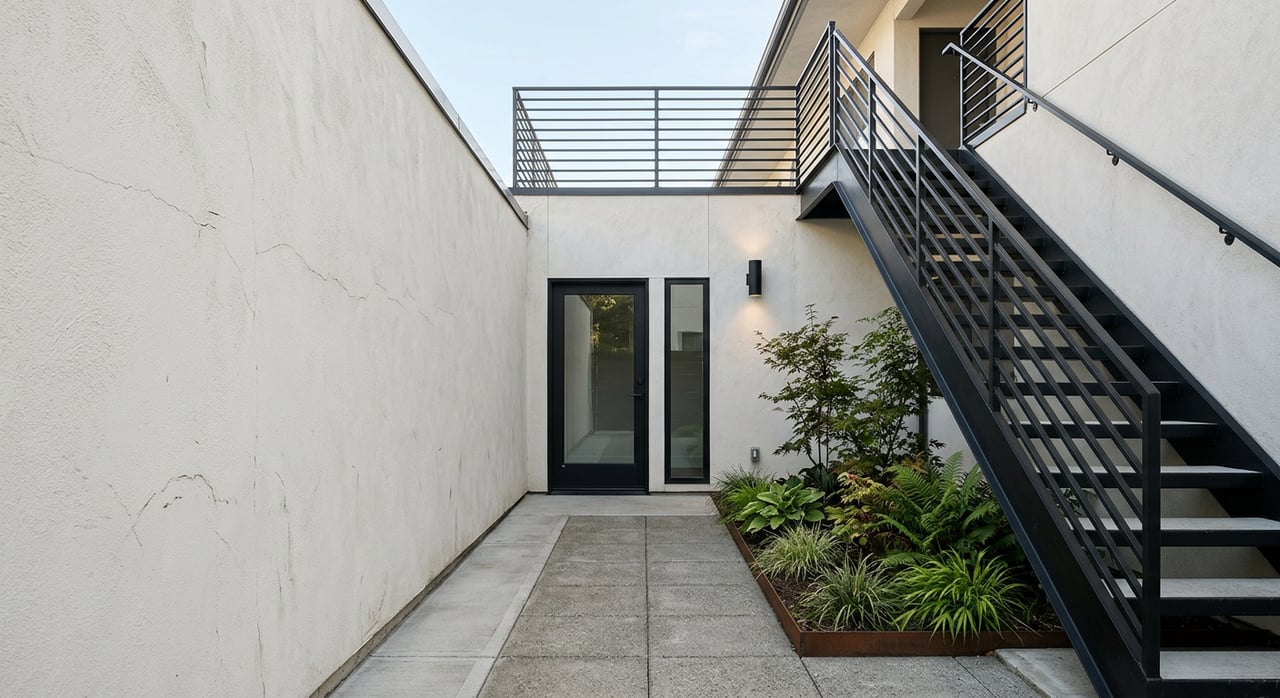
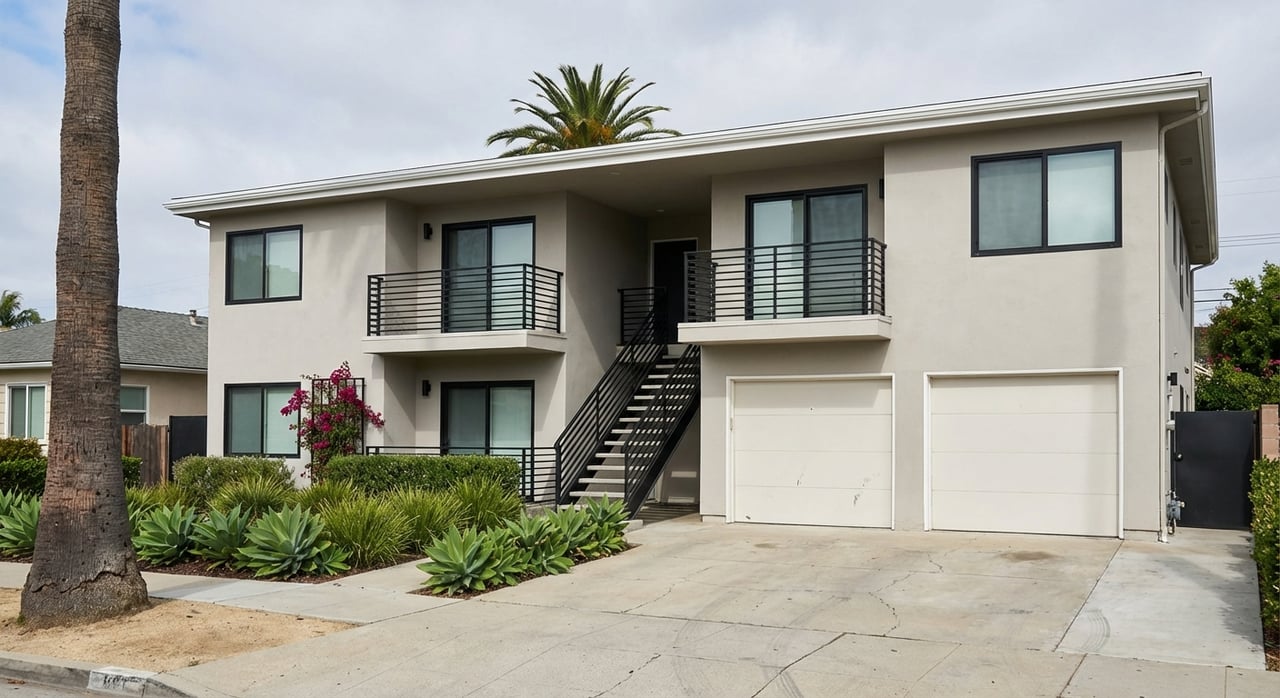
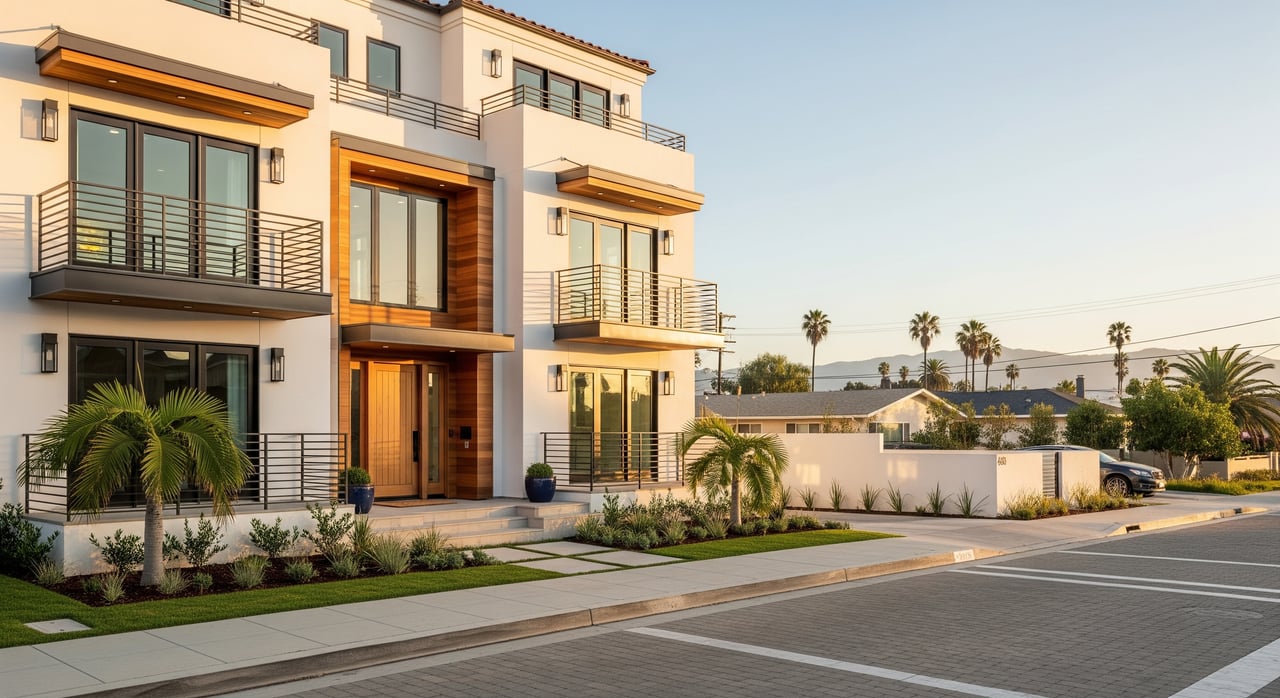
Townhomes tend to feel more like a traditional house. Current examples include layouts with street-level entries, two-car garages, laundry rooms, bonus rooms, and bedrooms placed on upper floors for privacy. Newer townhome offerings in San Pedro have also shown open-concept plans and square footage around 1,680 to 1,875 square feet.
Condos vs. Townhomes in San Pedro
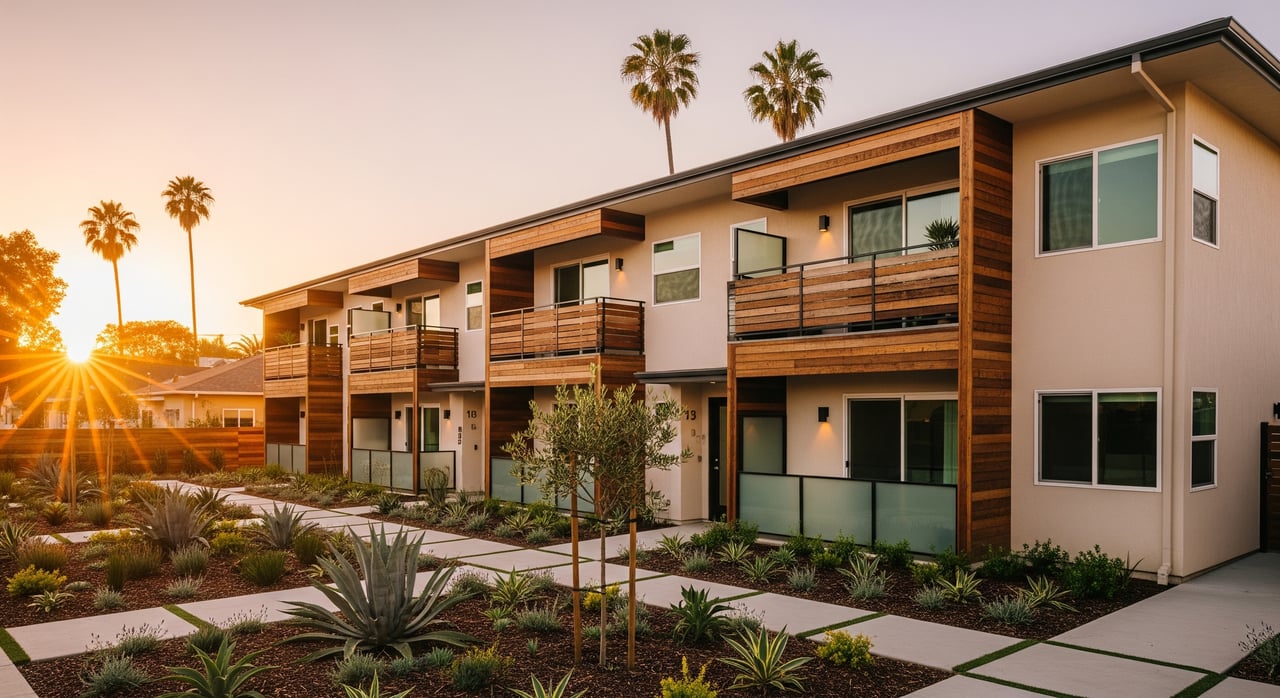
Choosing between a condo and a townhome often comes down to how you want to live day to day. A condo may work well if you want simpler maintenance, shared amenities, and a lower entry point. A townhome may be a better fit if you want more separation, direct access, and a layout that feels closer to a detached home.
| Feature | Condo | Townhome |
|---|---|---|
| Typical layout | Single-level or stacked units | Multi-level, more house-like |
| Common price positioning | Often lower entry point | Often higher than condos |
| Parking | Varies by building | Often includes two-car garage |
| Amenities | More likely to include shared amenities | Varies by community |
| Privacy feel | Depends on building design | Often more separation |
In San Pedro, there is no one-size-fits-all answer. A well-located condo with strong amenities and views may outshine a townhome for one buyer, while another buyer may prioritize garage space, a bonus room, or a private entry.
Why Views Matter So Much
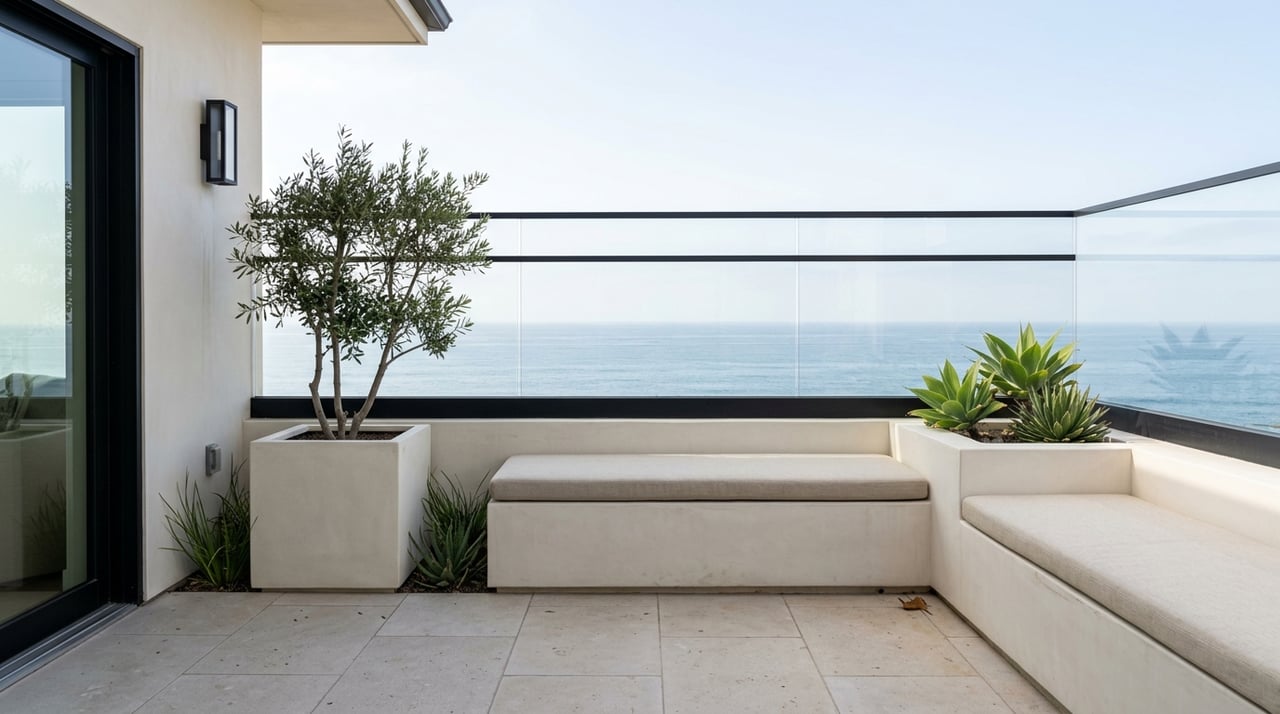
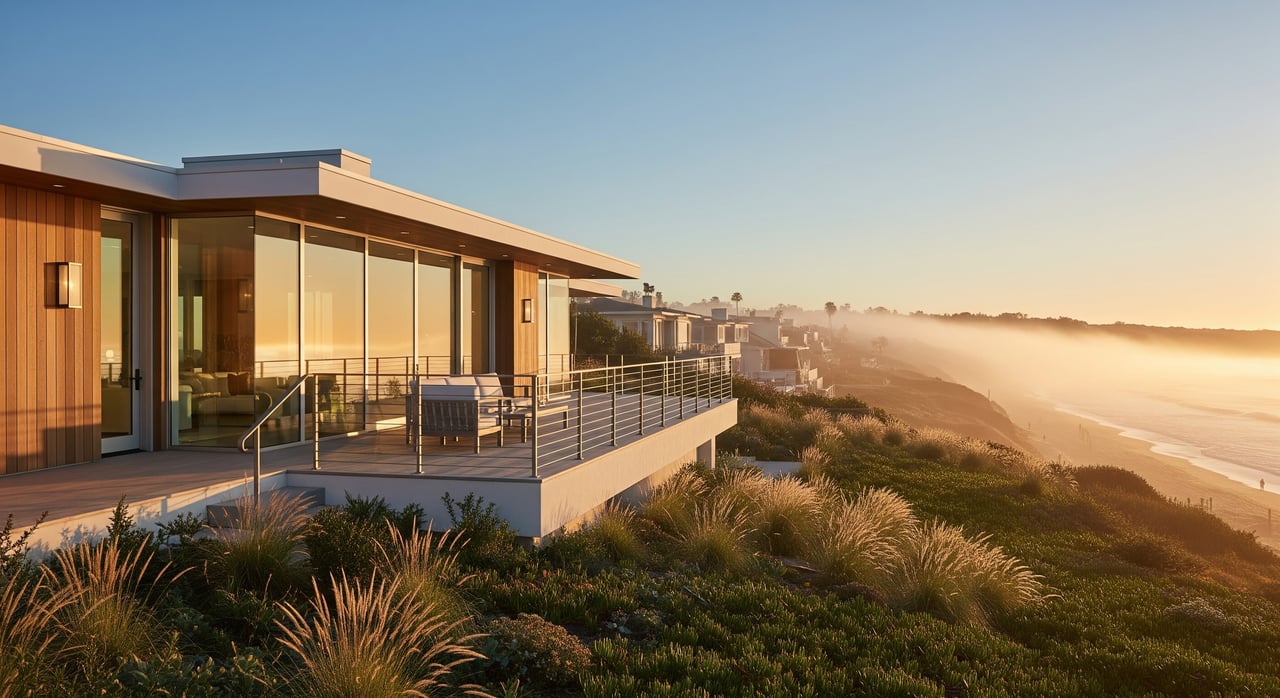
In a coastal peninsula setting, views can meaningfully change both experience and pricing. Recent San Pedro listings highlight ocean views near Point Fermin and open harbor views in newer gated communities. Even within the same ZIP code, that can create major differences in value.
This matters because a view is not just a nice extra in San Pedro. It can shape how a home feels every day, from morning light to evening sunsets to the sense of connection with the waterfront. If views are a priority for you, it is worth being clear about whether you want ocean, harbor, bridge, or hillside outlooks.
HOA Living: What You Are Really Paying For
HOA dues are one of the biggest questions buyers ask, and for good reason. In San Pedro, current examples range from around $250 or $300 per month in smaller communities to $492 in a newer gated townhome community with a pool. A Harbour Walk listing showed monthly dues of $756, with amenities and services that included a pool, sauna, barbecue area, gym, controlled gated access, insurance, grounds maintenance, and professional management.
That range shows why monthly dues should never be viewed in isolation. A lower HOA may sound better at first, but you also need to ask what is included and whether the association appears financially prepared for long-term maintenance. In some communities, higher dues may reflect a broader set of services or more substantial building upkeep.
What California Buyers Should Review
In California, buying a condominium, townhouse, lot, or home in a common interest development automatically makes you a member of the homeowners association. The California Attorney General states that HOA living is governed by the Davis-Stirling Common Interest Development Act, and the California Department of Real Estate provides consumer guidance on HOA operations, costs, and reserve studies.
Before you write an offer, it is smart to review the major HOA documents carefully. A practical checklist includes:
- CC&Rs
- Bylaws
- Community rules
- Current HOA budget
- Reserve study
- Special assessment history
- Insurance coverage
The reserve study deserves close attention. California DRE guidance notes that associations should budget for long-term components such as roofs, exterior paint, recreation areas, and, depending on the project, sidewalks or balconies. For you as a buyer, that can offer insight into whether the community is planning ahead or leaving future costs to chance.
How Lifestyle Differs by Location
One of San Pedro’s strongest advantages is that attached living here can still feel distinctly coastal. The LA Waterfront connects downtown San Pedro to the waterfront and includes the Town Square and Promenade, with views of the Vincent Thomas Bridge, vessel traffic, and the working port. The promenade, once complete, is expected to extend nearly a mile along the main shipping channel.
If you enjoy outdoor space, Point Fermin Park is another major draw. It offers ocean views, walking paths, hiking trails, and picnic space, along with walking access to Point Fermin Lighthouse, Angels Gate Park, and the Korean Friendship Bell. For everyday practical needs, the San Pedro Regional Branch Library on South Gaffey provides Wi-Fi, public computers, and community programming.
That mix can make condo and townhome living feel balanced. You may trade private yard space for easier access to waterfront areas, parks, and local amenities. For many buyers, that is a trade worth making.
Commuting and Access in San Pedro
Your day-to-day logistics matter just as much as the home itself. The San Pedro Community Plan identifies I-110, SR-47 via the Vincent Thomas Bridge, and I-710 as regional access routes. For many buyers, those routes help connect San Pedro to the rest of Los Angeles County.
Transit is part of the picture too. Metro lists the J Line connecting El Monte, Harbor Gateway, and San Pedro via Downtown Los Angeles, while Line 246 runs between San Pedro and Harbor Gateway Transit Center via Avalon Boulevard. If you want flexibility beyond driving, it is worth considering how close a property sits to your most useful routes.
Who Condo or Townhome Living Fits Best
Condo or townhome living in San Pedro can make sense for a wide range of buyers. You may be looking for a first step into coastal ownership, a lower-maintenance home base, or more interior space than a similarly priced condo elsewhere. You may also be a move-up buyer who wants views and lifestyle without the demands of a larger detached property.
Townhomes can appeal to buyers who want more room, a garage, and a more traditional floor plan. Condos may be especially appealing if amenities, building security features, and simpler exterior maintenance matter most to you. The key is matching the property type to how you actually live, not just how the listing looks online.
Smart Questions to Ask Before You Buy
As you narrow your options, focus on the details that most affect daily comfort and future resale. A few smart questions can help you compare properties more clearly.
Ask about:
- Monthly HOA dues and what they include
- Recent or planned special assessments
- Parking spaces and guest parking rules
- Laundry location and storage options
- View orientation and whether it may be impacted in the future
- Building age and recent improvements
- Pet rules and occupancy guidelines
- Transit and freeway access for your routine
These questions can help you avoid surprises and choose a home that fits both your lifestyle and your budget.
Final Thoughts on San Pedro Attached Living
San Pedro condo and townhome living offers more variety than many buyers realize. From compact one-bedroom condos to larger multi-level townhomes with garages and bonus rooms, the options can support different budgets, priorities, and life stages. When you combine that range with waterfront access, park space, and regional connectivity, San Pedro becomes a compelling place to consider.
The best choice usually comes down to tradeoffs. If you understand the floor plan, the HOA, the view value, and the location benefits, you can make a much more confident decision. If you are thinking about buying in San Pedro and want local guidance tailored to your goals, the Kawata Team is here to help.
FAQs
What is the price range for San Pedro condos and townhomes?
- Current listings show San Pedro condos ranging from the low $400,000s to about $1.1 million, while townhome examples range from about $699,000 to just over $1.0 million.
What size condo units are common in San Pedro?
- Current condo listings range from about 711 to 864 square feet for one-bedroom units, about 839 to 1,431 square feet for two-bedroom units, and about 1,272 to 1,928 square feet for some three-bedroom condos.
What size townhomes are common in San Pedro?
- Current townhome examples include homes around 1,348 square feet, 1,576 square feet, and newer options around 1,680 to 1,875 square feet.
What do HOA dues usually cover in San Pedro condo communities?
- Coverage varies by community, but current examples show dues may include items such as insurance, grounds maintenance, professional management, gated access, and amenities like a pool, sauna, gym, or barbecue area.
What HOA documents should San Pedro buyers review before making an offer?
- A practical review list includes the CC&Rs, bylaws, community rules, current budget, reserve study, special assessment history, and insurance coverage.
What makes San Pedro condo and townhome living appealing?
- Many buyers are drawn to San Pedro’s coastal setting, waterfront access, park space, varied floor plans, and the potential for a more accessible price point compared with some single-family homes.
How important are views when buying a San Pedro condo or townhome?
- Views can matter a great deal because current listings show meaningful premiums tied to ocean views near Point Fermin and harbor views in newer gated communities.
What commuting options support San Pedro residents?
- Regional access includes I-110, SR-47 via the Vincent Thomas Bridge, and I-710, while Metro service includes the J Line and Line 246 for transit connections.