If you want true waterfront access in Los Angeles County without a resort-town feel, San Pedro deserves a close look. This is a place where the working harbor, public shoreline, historic streets, and growing downtown all meet in one coastal community. Whether you are thinking about buying, selling, or simply getting to know the area, this guide will help you understand what makes San Pedro unique and what to watch as the market evolves. Let’s dive in.
Why San Pedro Waterfront Living Stands Out
San Pedro sits at the center of the LA Waterfront, the City’s official waterfront, with more than 400 acres stretching across San Pedro and Wilmington. The area draws more than 1.5 million visitors each year, and its appeal comes from a mix of recreation, public access, and active port energy rather than a purely beach-resort setting.
That difference matters when you are deciding if the area fits your lifestyle. San Pedro offers a waterfront experience shaped by marinas, promenade access, harbor views, cruises, sports fishing, whale watching, and nearby beach time. You get a coastal setting with real city and maritime character.
What Daily Life Feels Like
For many buyers, San Pedro feels more layered than they expect. You can spend a morning near Cabrillo Beach, stop by the waterfront promenade, and then head into Downtown San Pedro for dining, local businesses, or arts events. The LA Waterfront trolley also helps connect key spots like Downtown San Pedro, CRAFTED at the Port of Los Angeles, and Cabrillo Marine Aquarium.
This part of Los Angeles also has a strong cultural identity. The state-designated San Pedro Arts & Cultural District runs from Point Fermin to the Vincent Thomas Bridge and includes galleries, studios, performance spaces, historic landmarks, and waterfront venues. The First Thursday Art Walk continues to add energy to the downtown arts scene.
San Pedro Neighborhood Character
San Pedro is not one-note, and that is part of its appeal. The community plan describes the area as a place that aims to preserve natural beauty, cultural heritage, and small-town character while also building on its proximity to the port and waterfront.
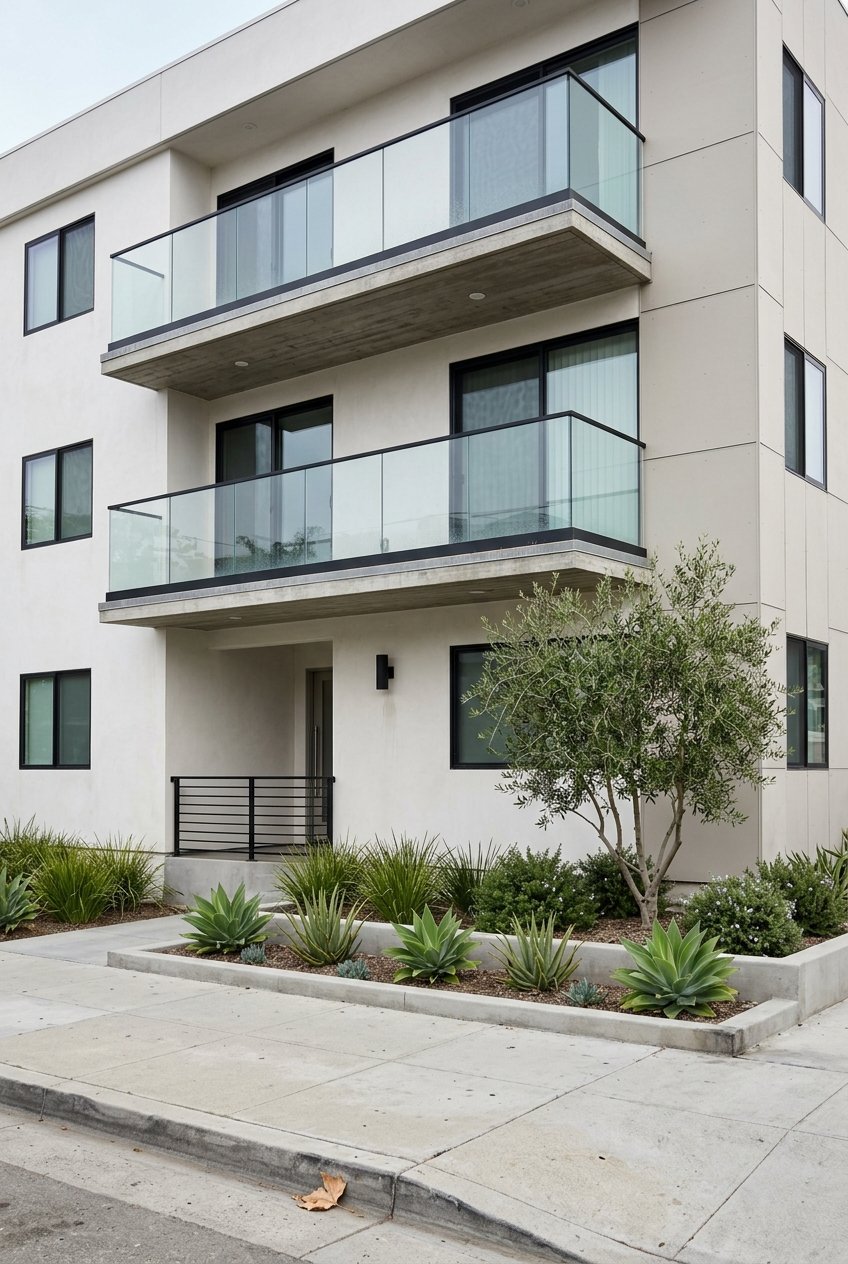
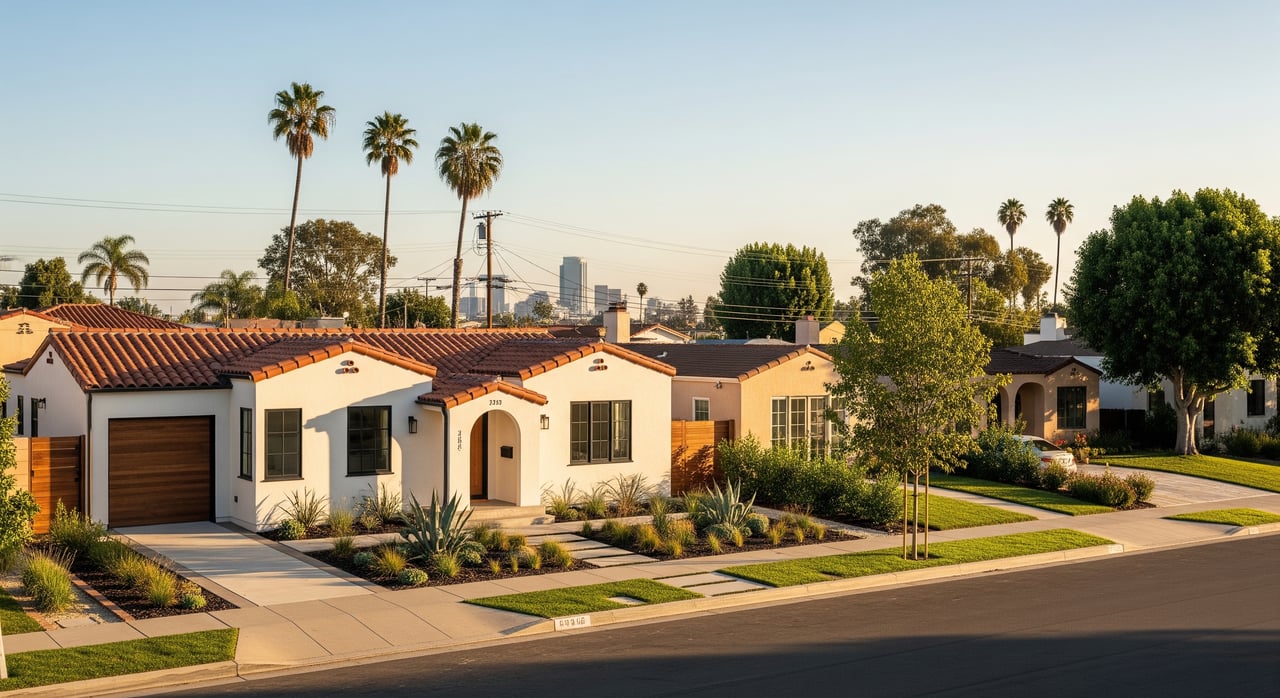
That means you will find different housing experiences depending on where you look. Some parts of San Pedro feel historic and residential, while others are more tied to downtown activity, condo living, and redevelopment near the waterfront.
Historic Areas to Know
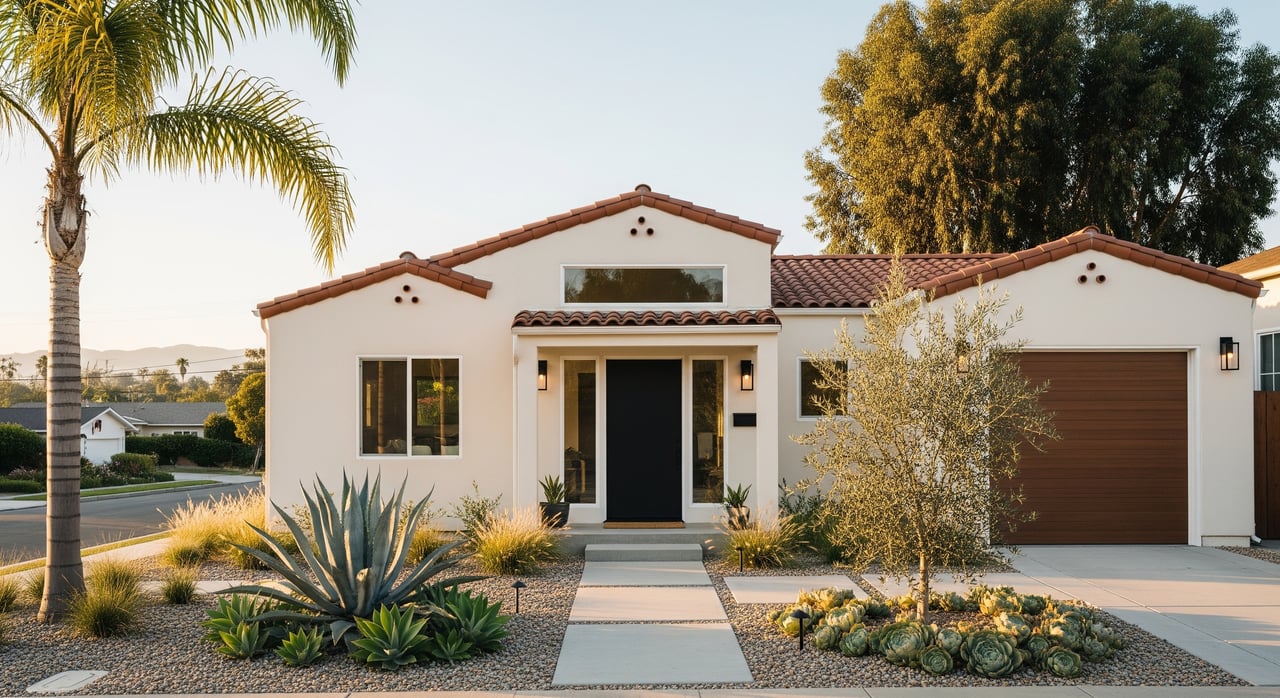
Vinegar Hill is one of the clearest examples of San Pedro’s older residential character. City Planning describes it as an early suburb with tree-lined streets and modest single-family homes built from 1886 through 1927, including Queen Anne, Craftsman, American Foursquare, American Colonial, and Spanish Colonial Revival styles.
Because Vinegar Hill is a local historic district, exterior changes and new projects must complement the area’s historic character and go through added review. If you are drawn to older homes and architectural detail, that is an important factor to understand before buying.
Point Fermin is another key area for buyers who want classic coastal character. The Point Fermin Lighthouse, built in 1874 and now open as a historic site and museum, helps tell the story of San Pedro’s older waterfront identity.
Walkability and Access
Central San Pedro offers one of the more walkable settings in the area, with a Walk Score of 82. That can be a meaningful advantage if you want easier access to dining, services, local businesses, and parts of the arts district without relying on your car for every stop.
The downtown core also connects well to the waterfront experience. With the trolley and a relatively compact street network, many buyers find that San Pedro offers a more connected feel than they expected from a harbor community.
San Pedro Housing Options
One of the biggest strengths of the San Pedro market is its range. Rather than one fixed waterfront price point, the area includes condos, townhomes, historic single-family homes, and higher-intensity housing near downtown and the coast.
Recent market snapshots show that spread clearly. Redfin’s spring 2026 data placed Central San Pedro at a median sale price of $745,000, Northwest San Pedro at $832,000, and Coastal San Pedro at $905,000. That gap reflects the fact that your options can look very different depending on location, property type, and access to water views or coastal amenities.
Where Condos and Townhomes Stand Out
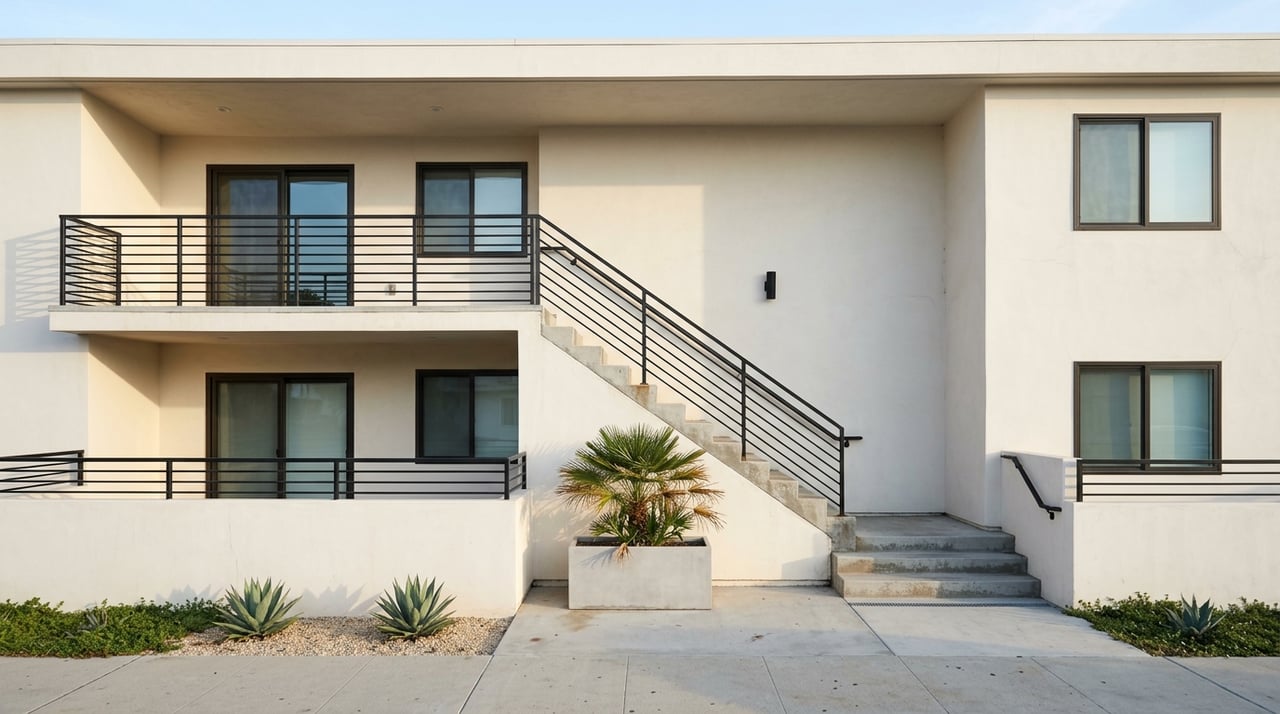
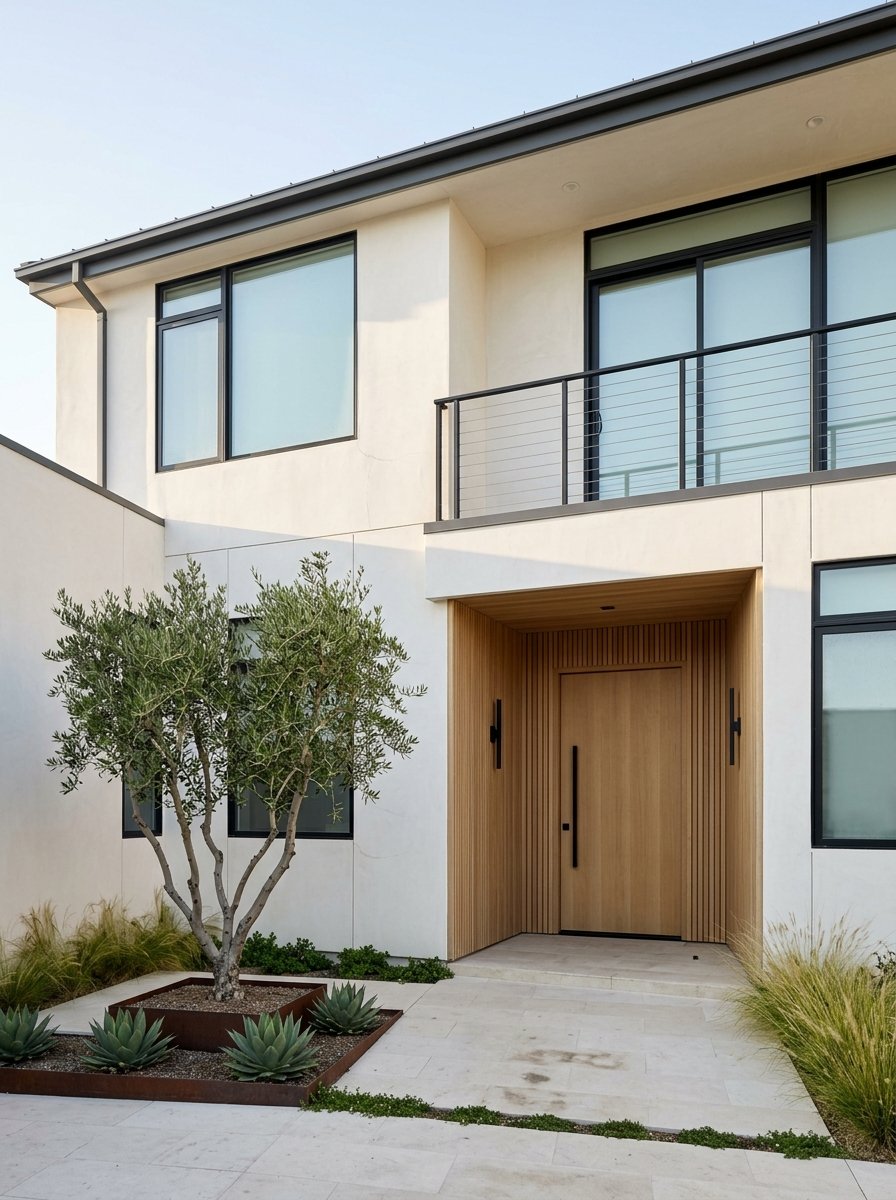
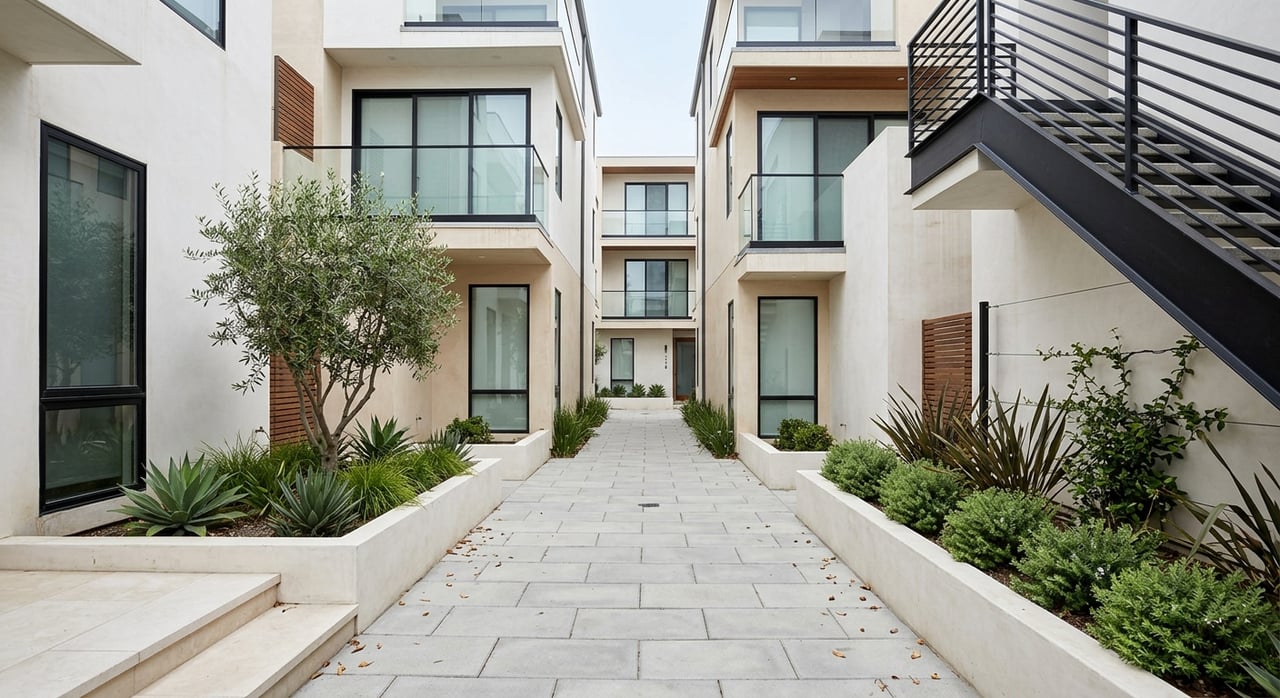
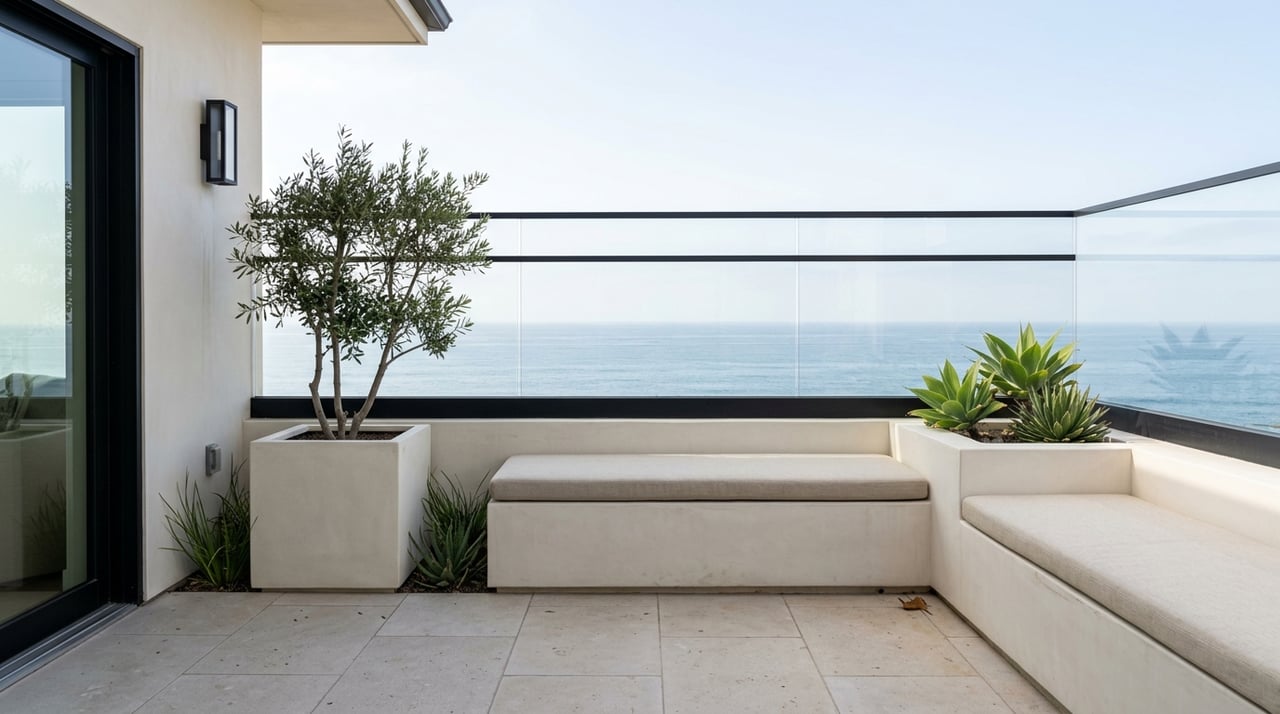
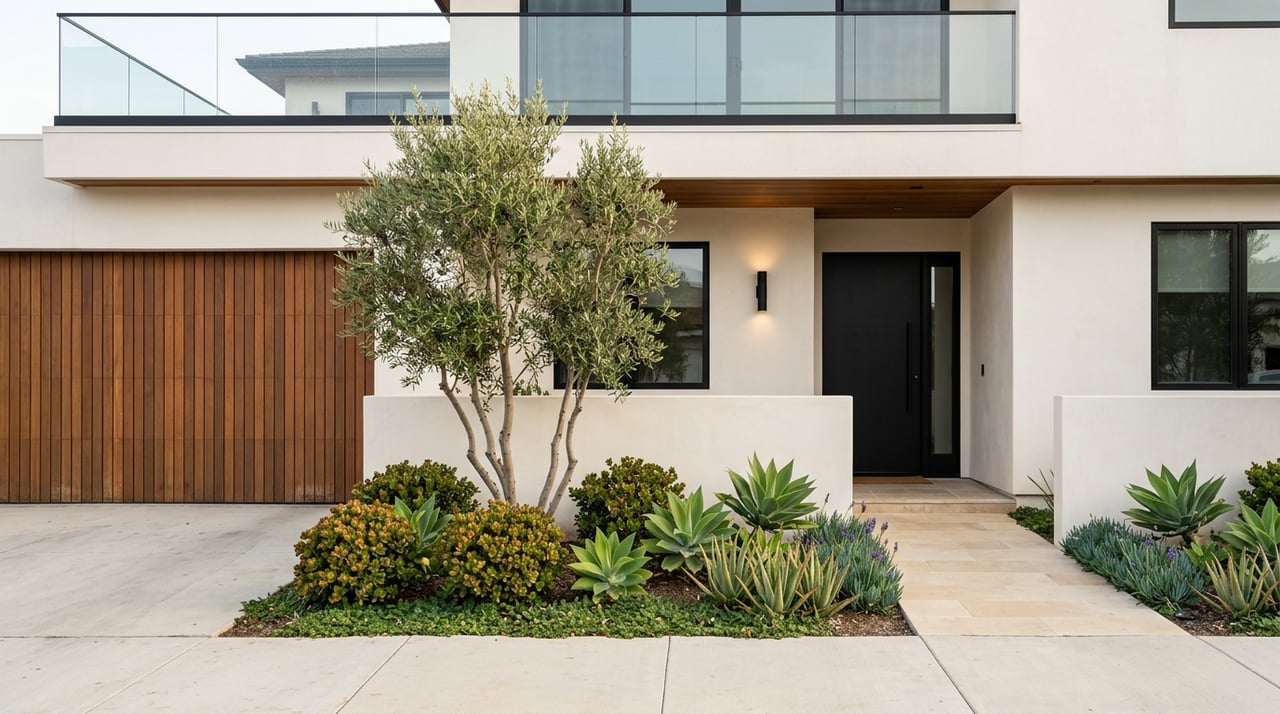
Coastal San Pedro is especially important if you are looking for a lower-maintenance coastal lifestyle. Market listings in the area highlight waterfront condos with Cabrillo Marina and Pacific Ocean views, along with front-facing townhomes in Point Fermin.
For buyers who want proximity to the water without taking on the upkeep of a detached home, this part of San Pedro can offer a strong starting point. It also gives sellers in those segments a helpful story to tell, especially when location, views, and outdoor access are central to buyer interest.
Detached Homes and Older Streets
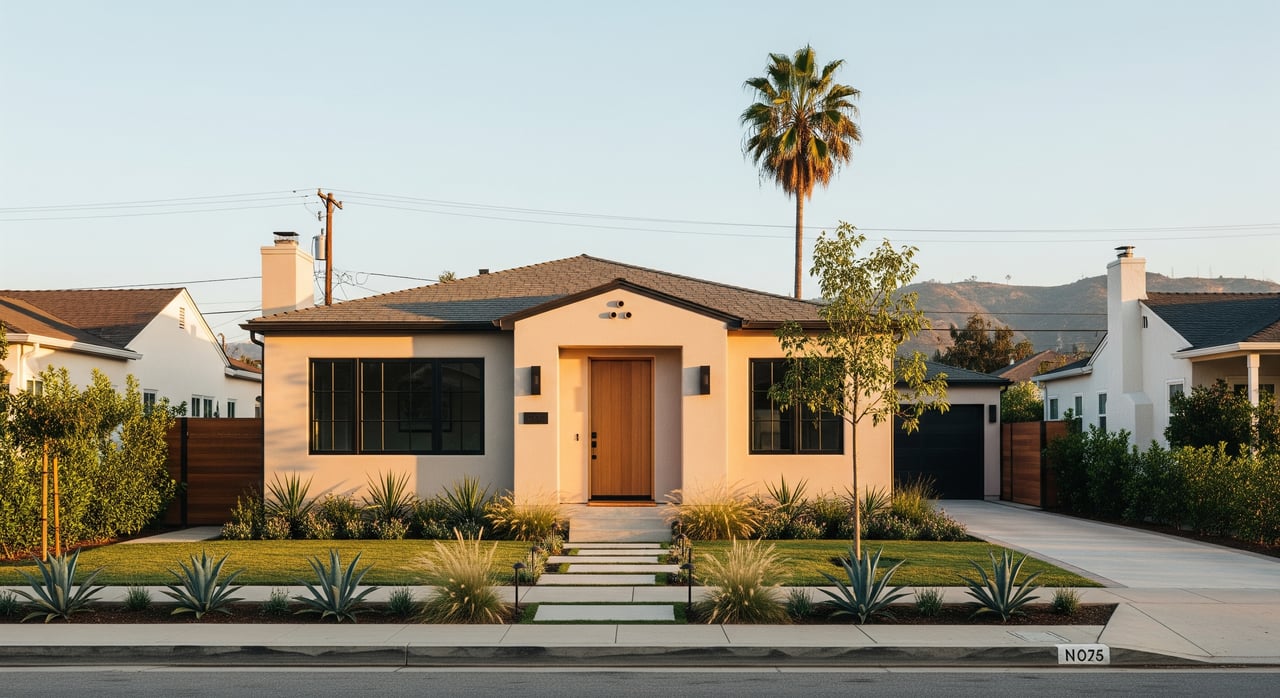
If your focus is on single-family living, San Pedro offers a different kind of value than many nearby coastal communities. You may find older homes with established streetscapes, architectural variety, and a stronger connection to the area’s historic development.
That said, each pocket has its own feel. Some streets lean more residential and quiet, while others sit closer to downtown activity, hillside terrain, or the waterfront itself. That is where local guidance becomes especially useful.
What Is Changing Along the Waterfront
San Pedro is already compelling today, but the waterfront story is also about change. Several major public and mixed-use projects are reshaping how people move through, spend time in, and think about the area.
For buyers, these changes may influence future interest and day-to-day convenience. For sellers and owners, they may affect how the market talks about San Pedro in the years ahead.
West Harbor
West Harbor is the most visible redevelopment project on the San Pedro waterfront. According to the Port, the 42-acre project is set to bring restaurants, shopping, fresh markets, office space, a waterfront promenade, and an open-air amphitheater, with opening planned for 2026.
Even before full opening, the site is already active through the San Pedro Fish Market Landing, Harbor Breeze Cruises, and special events. This matters because it signals momentum, not just future plans on paper.
Promenade and Connectivity Improvements
The Port’s San Pedro Promenade Phase II and San Pedro Waterfront Connectivity Plan are designed to improve access across nearly eight miles of waterfront. Plans include stronger connections for pedestrians, bikes, scooters, buses, and cars.
That kind of investment can change how the waterfront feels in everyday use. Better connections often make it easier to enjoy the area regularly rather than treating it as a once-in-a-while destination.
One San Pedro Redevelopment
Another major project is the Rancho San Pedro redevelopment, now described through the One San Pedro vision. The project is planned as a mixed-use, mixed-income, multigenerational village that connects Downtown, Barton Hill, and the waterfront across more than 21 acres.
CEQA documents describe redevelopment of the existing 21-acre, 478-unit public housing complex into up to 1,390 multi-family units, along with amenities, services, and retail. For anyone tracking neighborhood change, this is a major piece of the long-term picture.
Pacific Avenue and Front Street
City-led corridor improvements are also part of the story. Pacific Avenue received a JEDI Zone designation, and the City says the program can support local businesses through tools like microloans, permit waivers, technical assistance, and storefront improvements.
The Port’s Front Street Beautification Project adds another public-facing upgrade, including a 22-foot-wide multi-use pedestrian and bicycle path linking San Pedro and Wilmington. Together, these efforts point to a waterfront district that is becoming more connected and more active.
Planning Rules Buyers and Sellers Should Know
San Pedro’s waterfront appeal comes with an important practical detail. Parts of the coastal edge are governed by layered planning rules, including the San Pedro / Port of Los Angeles Dual Coastal Plan Zone and the San Pedro Specific Plan.
These rules matter because they shape what can be built, altered, or reviewed in coastal portions of San Pedro. The specific plan is intended to support maritime heritage, preserve beach access and ocean views, and encourage community-commercial uses along Pacific Avenue.
If you are buying or selling near the waterfront, it is wise to understand whether a property falls within these planning areas. That can affect timelines, expectations, and how a property is positioned in the market.
Who San Pedro Appeals To
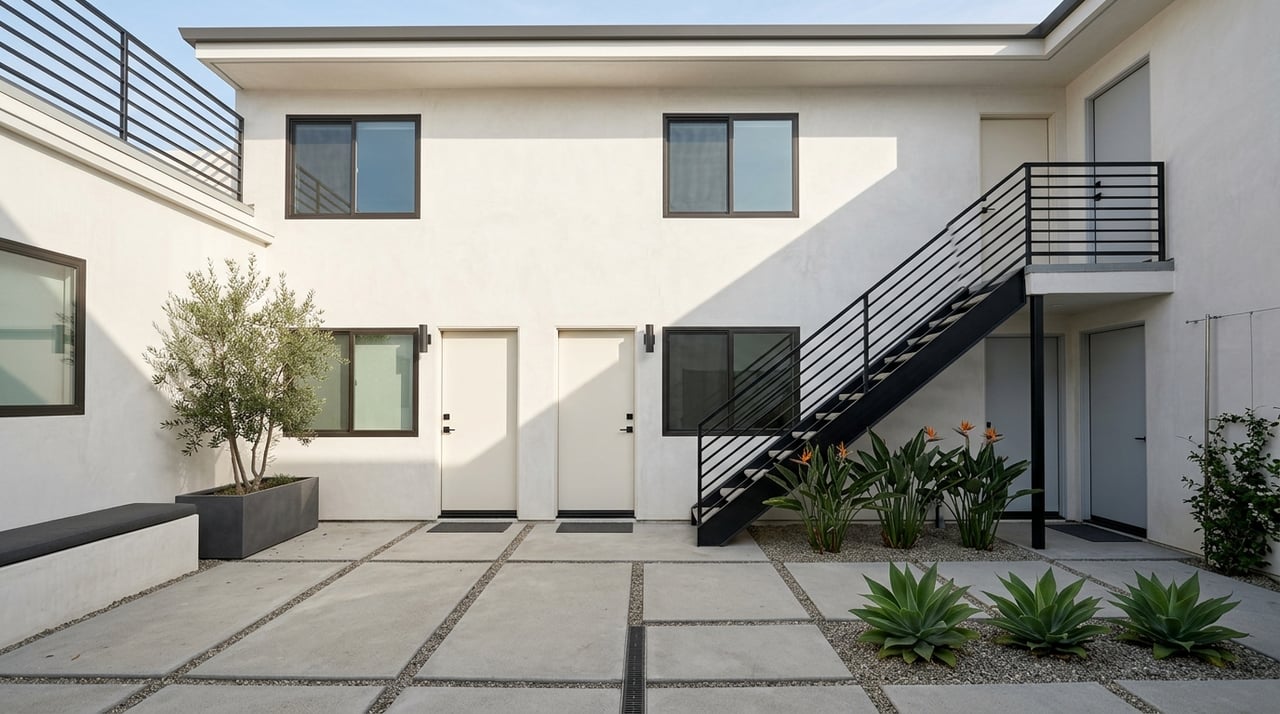
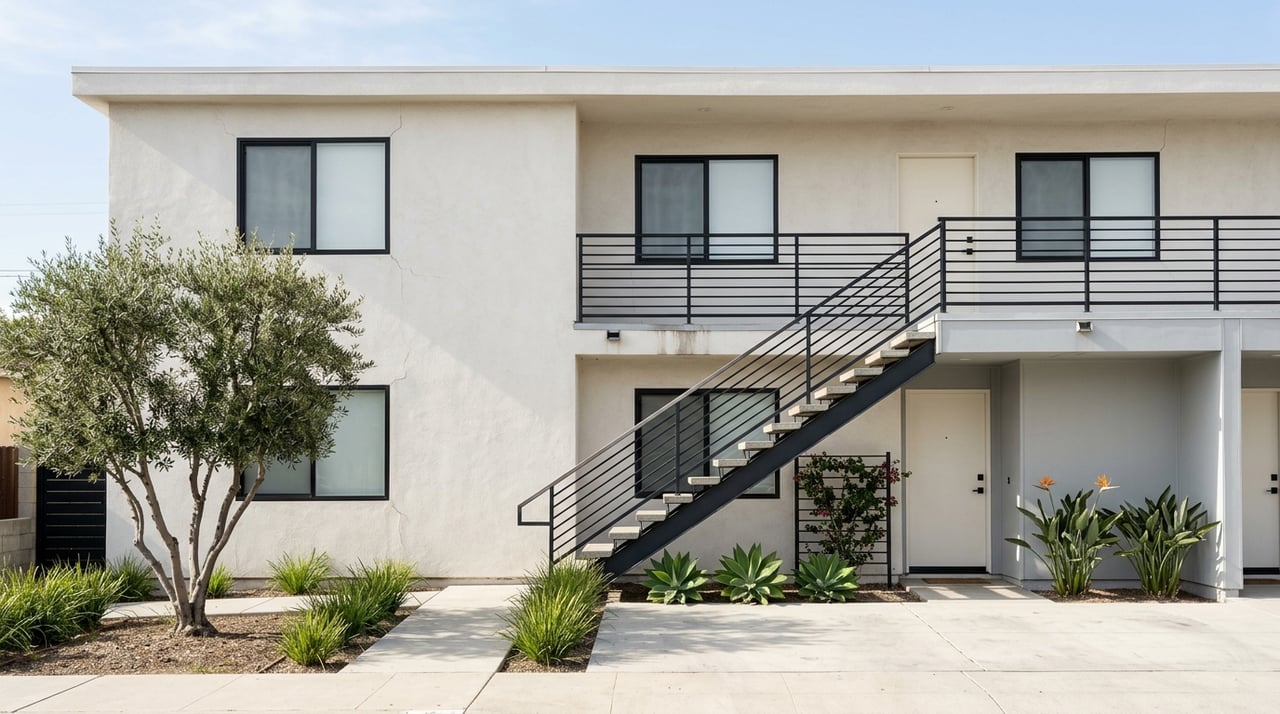
San Pedro can work well for several types of buyers because it offers more than one version of coastal living. You might be looking for a condo near the marina, a townhome close to Point Fermin, an older single-family house on a historic street, or a multi-family property in a neighborhood tied to long-term growth.
It can also appeal to sellers who want to highlight something more specific than just distance to the water. In San Pedro, buyers often respond to a fuller story that includes architecture, arts identity, walkability, harbor access, and the momentum of waterfront redevelopment.
Final Thoughts on San Pedro Real Estate
San Pedro is best understood as an older harbor community with genuine waterfront access, a strong arts identity, and a housing market that spans condo entry points, historic single-family streets, and redevelopment-linked infill. That combination gives the area broader appeal than many buyers first assume.
If you are considering a move, sale, or investment in San Pedro, local context matters. The right strategy depends on the exact pocket, property type, and how today’s opportunities connect to what is changing along the waterfront. For personalized guidance backed by South Bay insight and hands-on service, reach out to Kawata Team.
FAQs
What is waterfront living in San Pedro like?
- San Pedro waterfront living blends public shoreline access, marinas, beach areas, promenade space, harbor activity, cruises, sports fishing, and arts-oriented downtown amenities rather than a purely resort-style beach environment.
What are the most historic areas in San Pedro?
- Vinegar Hill and Point Fermin are two of the best-known historic areas, with Vinegar Hill featuring homes built mainly from 1886 to 1927 and Point Fermin anchored by the 1874 lighthouse.
Where can you find condos near the waterfront in San Pedro?
- Coastal San Pedro is one of the strongest areas for condo and townhome inventory, including homes near Cabrillo Marina, the Pacific Ocean, and Point Fermin.
What major developments are changing San Pedro?
- Key projects include West Harbor, the San Pedro Promenade and Connectivity Plan, the One San Pedro redevelopment, Pacific Avenue business support efforts, and the Front Street Beautification Project.
Do waterfront properties in San Pedro have special planning rules?
- Yes, some waterfront and coastal-area properties fall within layered planning areas such as the San Pedro / Port of Los Angeles Dual Coastal Plan Zone and the San Pedro Specific Plan, which can affect property use and development review.
Is San Pedro walkable for daily errands and outings?
- Central San Pedro is considered very walkable, with a Walk Score of 82, and the compact downtown core plus trolley access help connect everyday destinations with the waterfront.