Picture this: you step outside your front door, hear the ocean nearby, and walk down a quiet pedestrian path instead of a typical street. That is the draw of walk street living in Manhattan Beach. If you are curious about what makes these blocks so special, this guide will help you understand the lifestyle, the tradeoffs, and the price points that shape this unique part of 90266. Let’s dive in.
What Is a Walk Street?
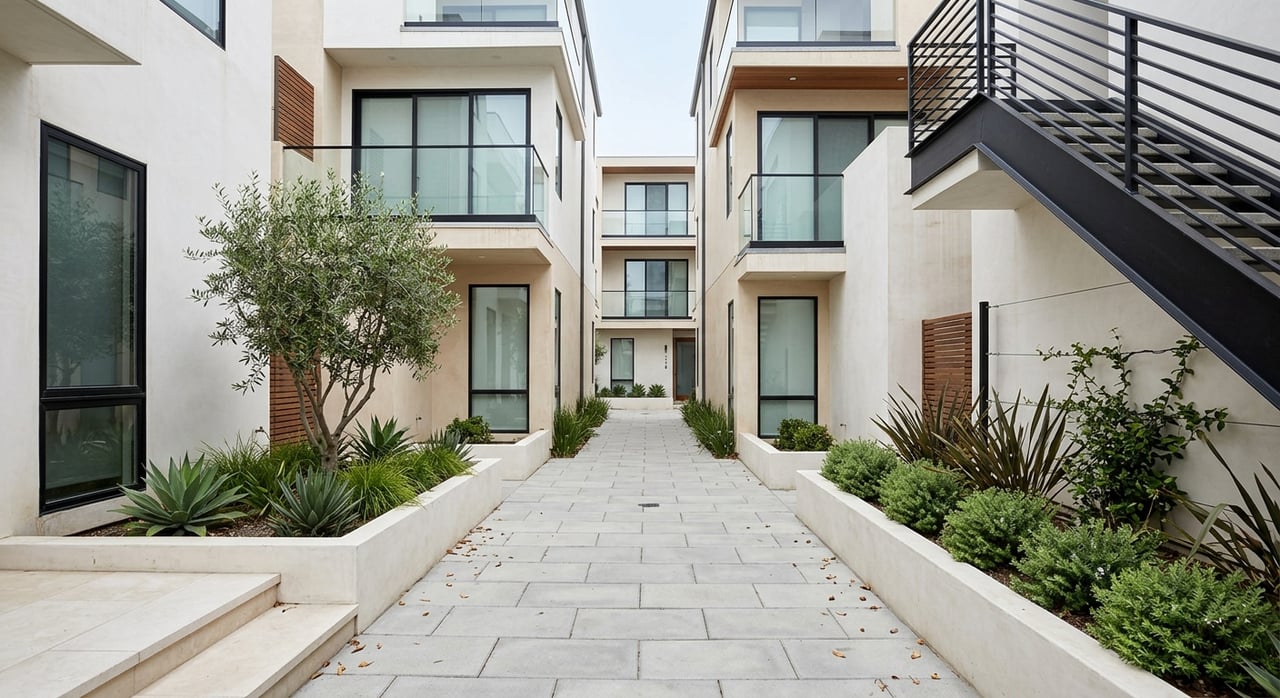
In Manhattan Beach, a walk street is not just a nickname. City code defines it as a dedicated public street with a public walkway that is closed to vehicle traffic, and the zoning glossary states that vehicular access is not permitted.
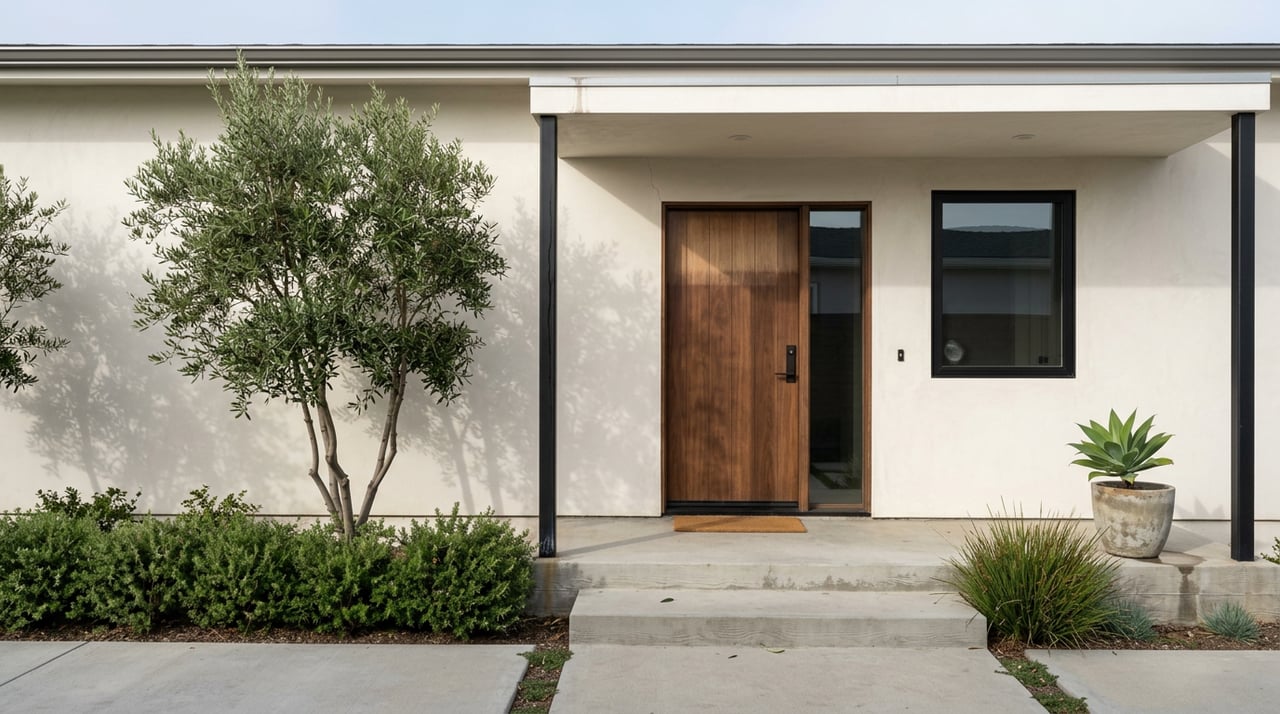
That distinction matters because it shapes how these blocks look and feel every day. Instead of cars lining the curb, you get a pedestrian-first setting that feels more connected to the beach lifestyle many buyers want.
The City also regulates how walk streets are used. Commercial use is prohibited, parking is strictly prohibited, and encroachment standards apply to features like fences, retaining walls, landscaping, decks, and patios in the public right-of-way.
Where Manhattan Beach Walk Streets Are
The Downtown Specific Plan identifies the core downtown walk streets on 9th through 15th Streets. These segments connect The Strand with Ocean Drive, Highland Avenue, or Manhattan Avenue.
That location is a big part of the appeal. You are close to the beach, near downtown, and in one of the most recognizable pedestrian-oriented areas in Manhattan Beach.
There is also a deeper historical reason these blocks feel so distinct. The City’s history notes that in the early resort era, planks were laid along Manhattan Avenue for vehicles and along The Strand and side streets for pedestrians, which helps explain the neighborhood’s long-standing pedestrian-first pattern.
Why Walk Street Living Feels Different
Walk street living is really about the rhythm of daily life. The City promotes Manhattan Beach as a place to walk, run, bike, skate, and enjoy the Strand, the pier, the Roundhouse Aquarium, downtown shopping, restaurants, and sunset views.
On walk streets, that lifestyle is right outside your door. The Downtown Specific Plan describes these corridors as strong beach connections that support healthy community interaction, with patios, gardens, and living spaces gathered around them.
In practical terms, that often means your home feels more connected to the outdoors. The pedestrian setting can make the space in front of a home feel more social and visually open than a standard car-oriented block.
The Everyday Vibe on Walk Streets
Most of the time, these are quiet residential blocks with a strong neighborhood feel. You see people heading to the beach, walking to downtown, or spending time outside rather than driving from place to place.
City event materials also show how naturally these blocks support community activity. A downtown holiday event uses the 9th through 15th Street walk streets for live music, carolers, shopping, dining, and holiday lighting during pedestrian-only hours.
That does not mean every day feels like a festival. It simply shows how well these streets function as gathering spaces and why so many buyers see them as part of the Manhattan Beach lifestyle, not just a location on a map.
Why Buyers Are Drawn to Walk Streets
For many lifestyle buyers, walk streets offer a rare combination of beach access, downtown convenience, and a distinctive streetscape. The City has emphasized preserving these areas to maintain scenic vistas and neighborhood character, which reinforces their long-term appeal.
Scarcity also plays a major role. There are only so many homes on these pedestrian blocks, and their value often comes from location and daily experience more than any single architectural style.
If you are the kind of buyer who values being able to walk to the beach, enjoy outdoor living, and live in a highly recognizable part of Manhattan Beach, walk streets often stand out quickly. They offer a setting that feels hard to replicate elsewhere in the South Bay.
Home Styles You Will See
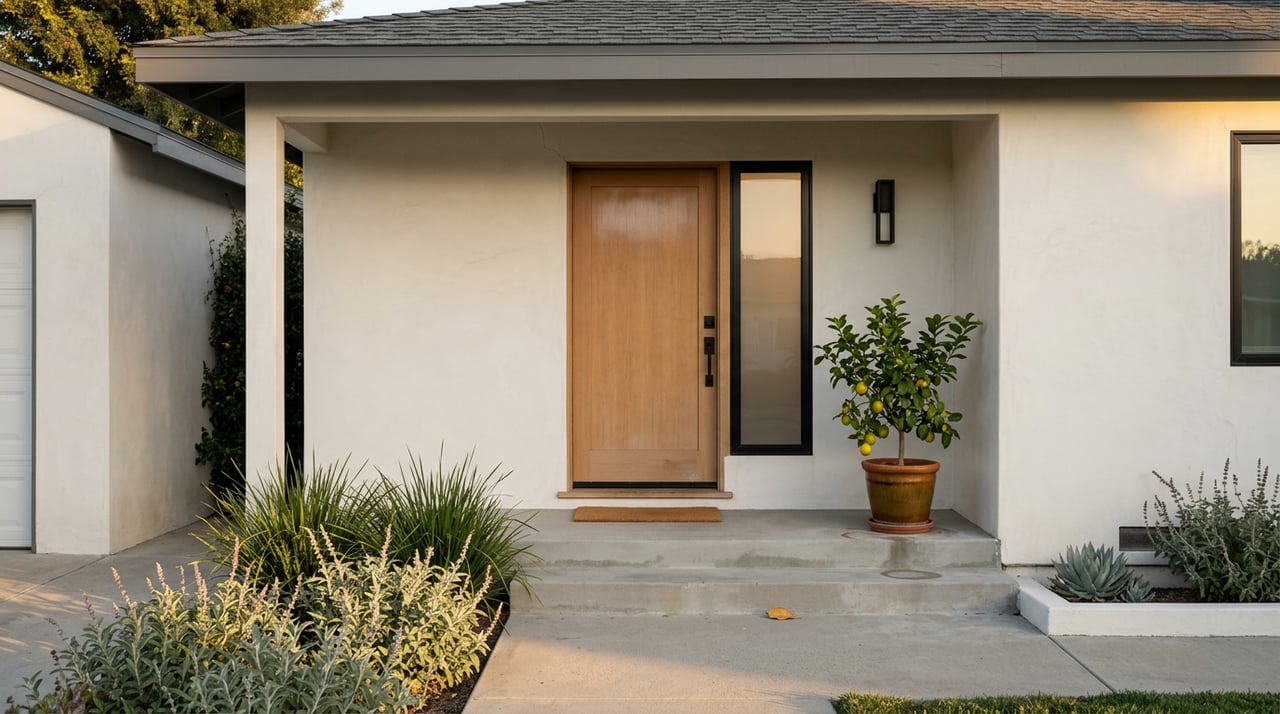
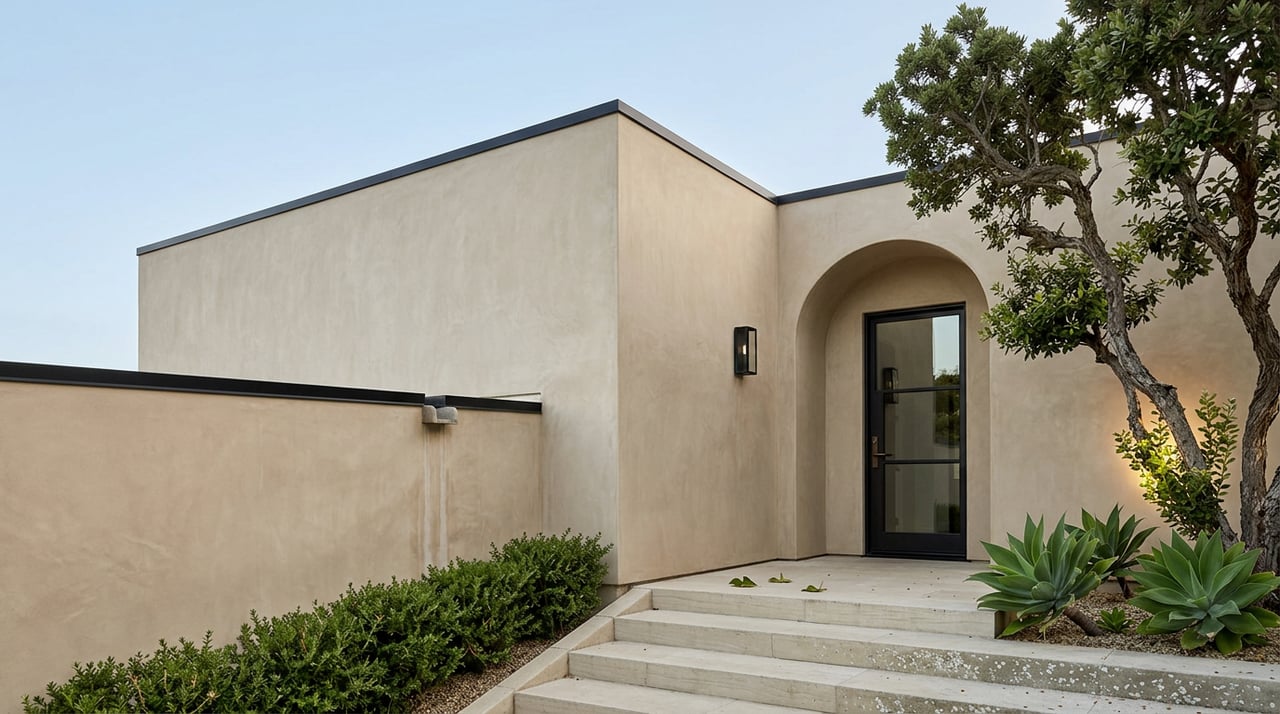
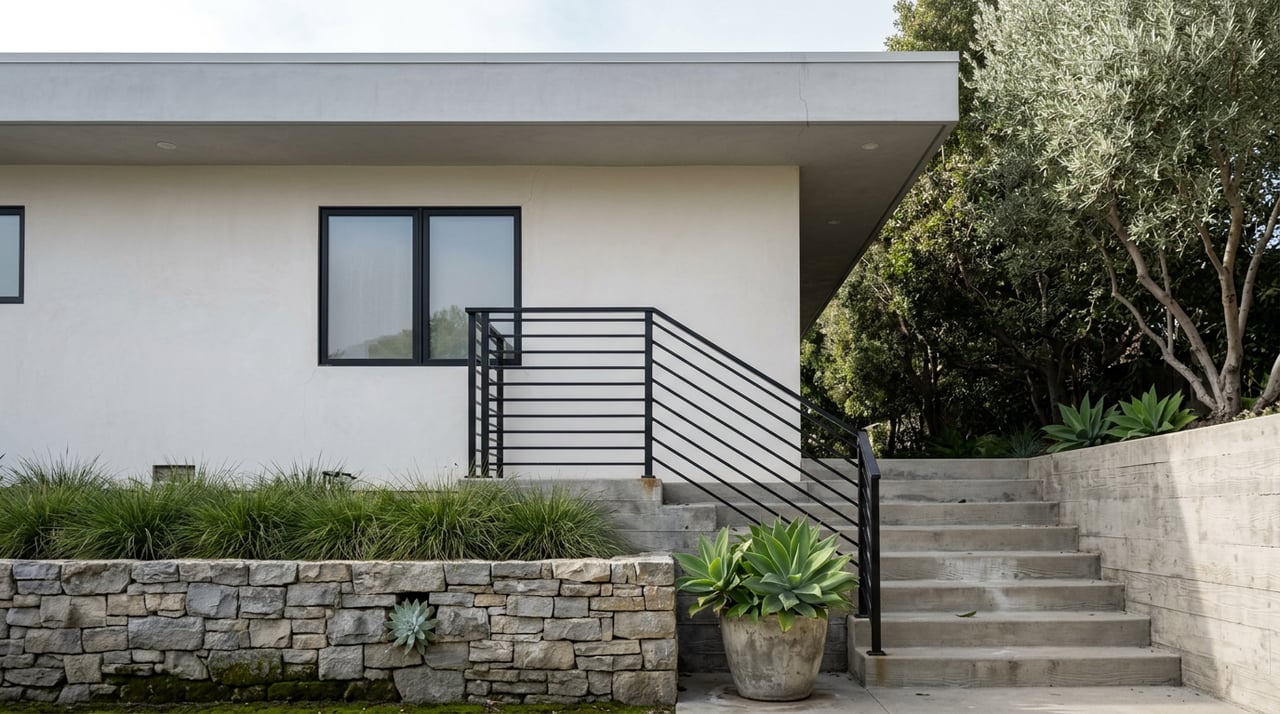
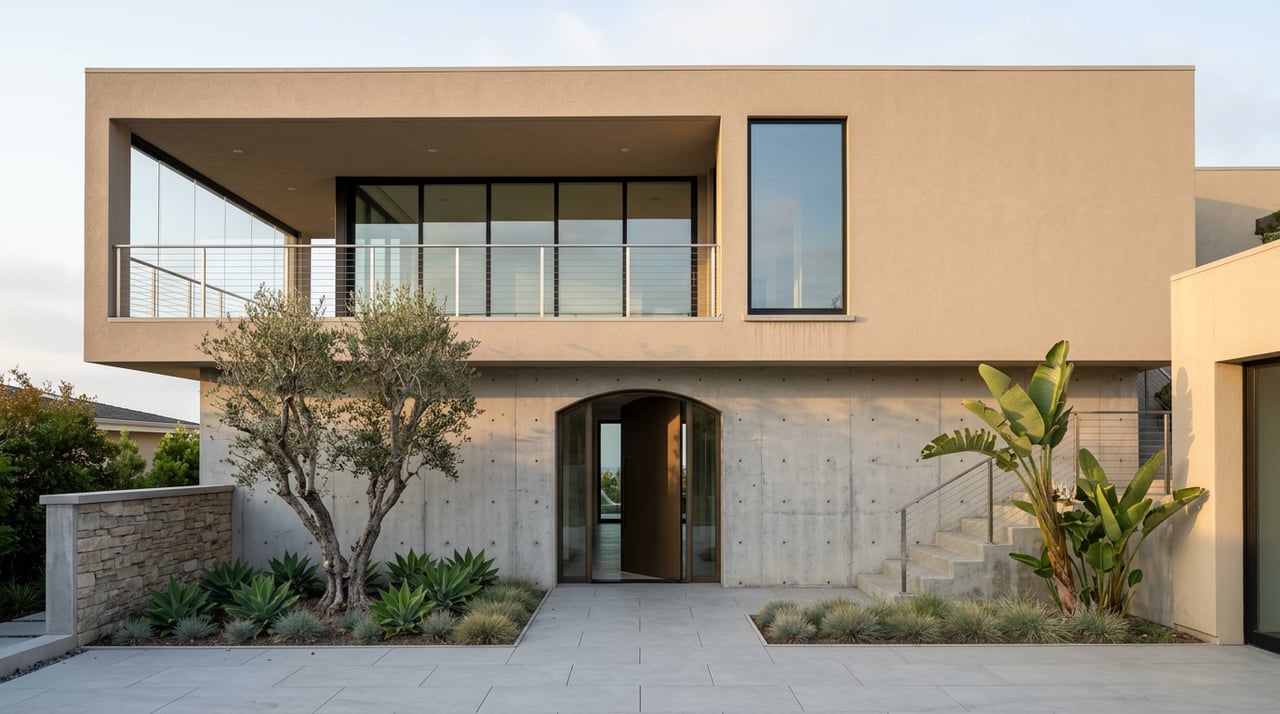
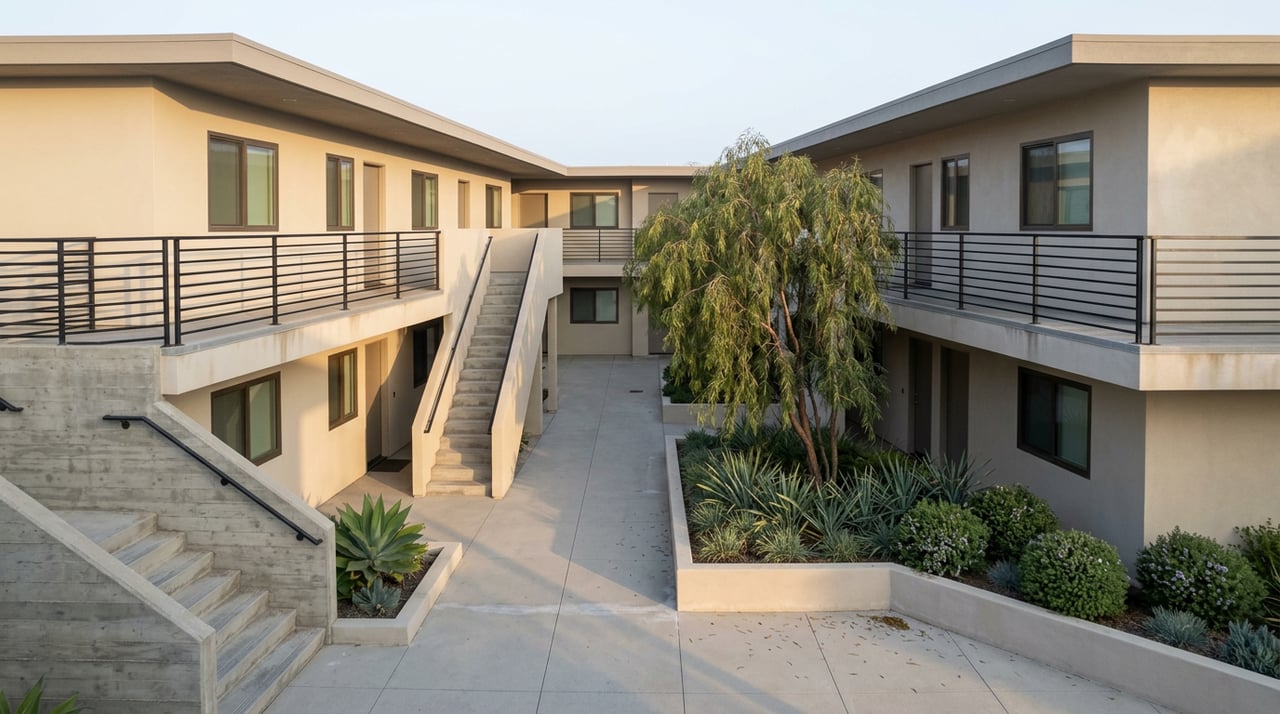
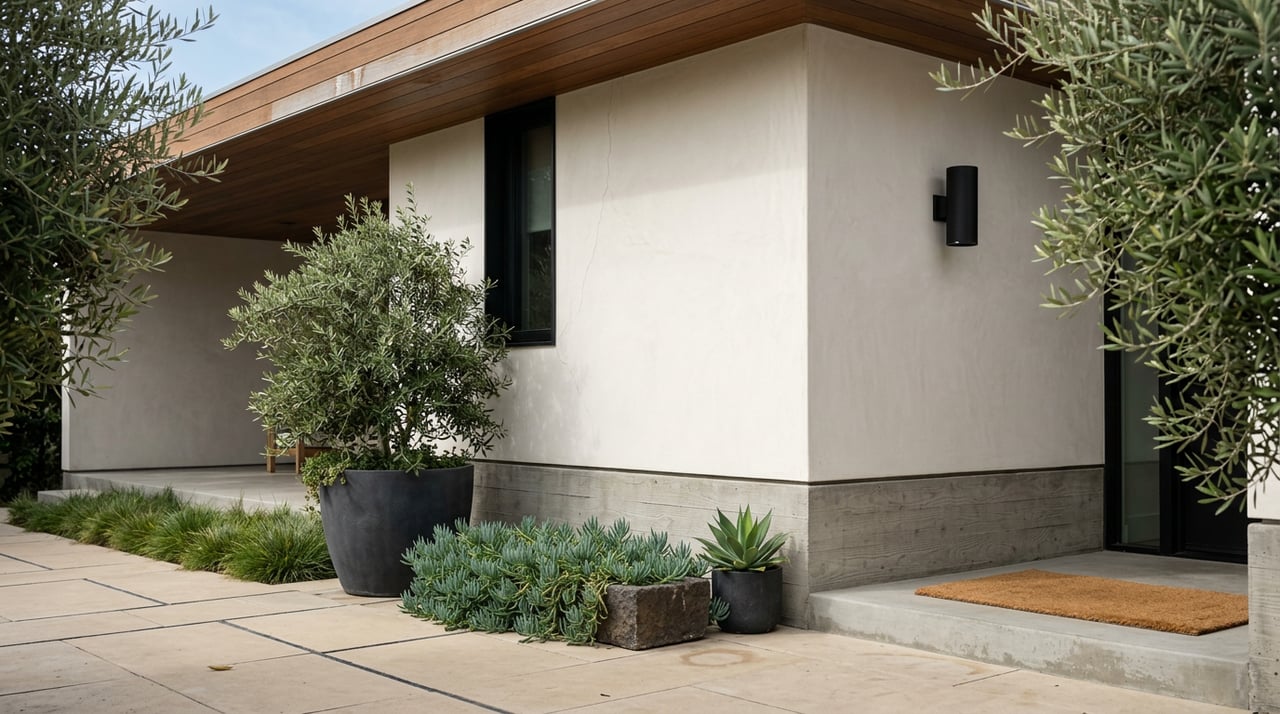
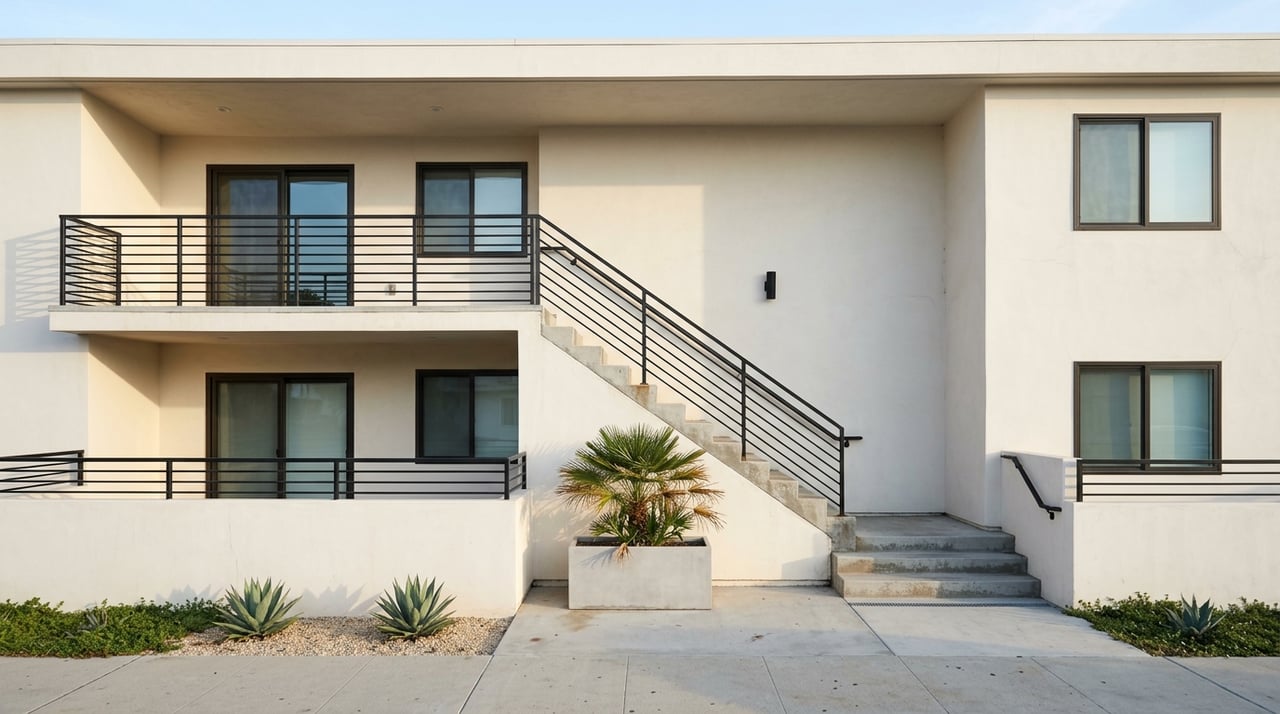
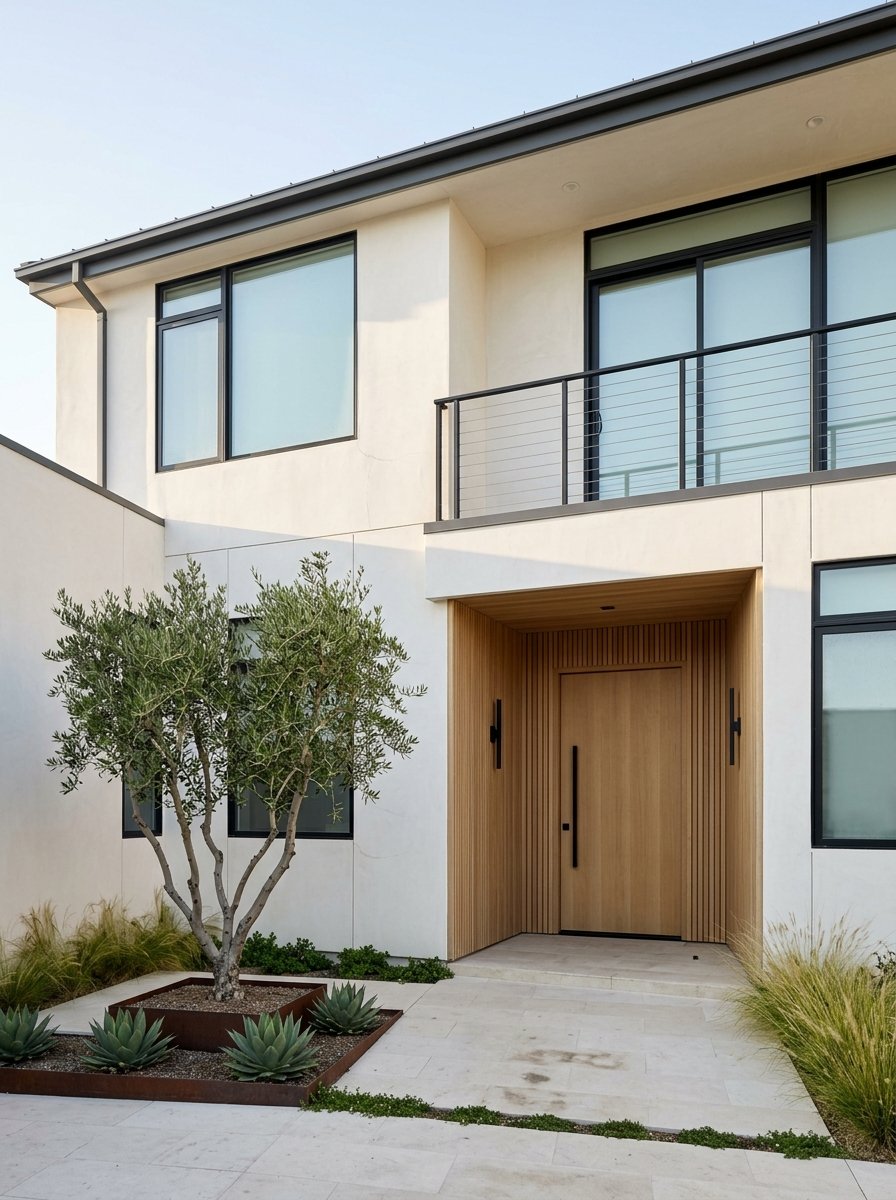
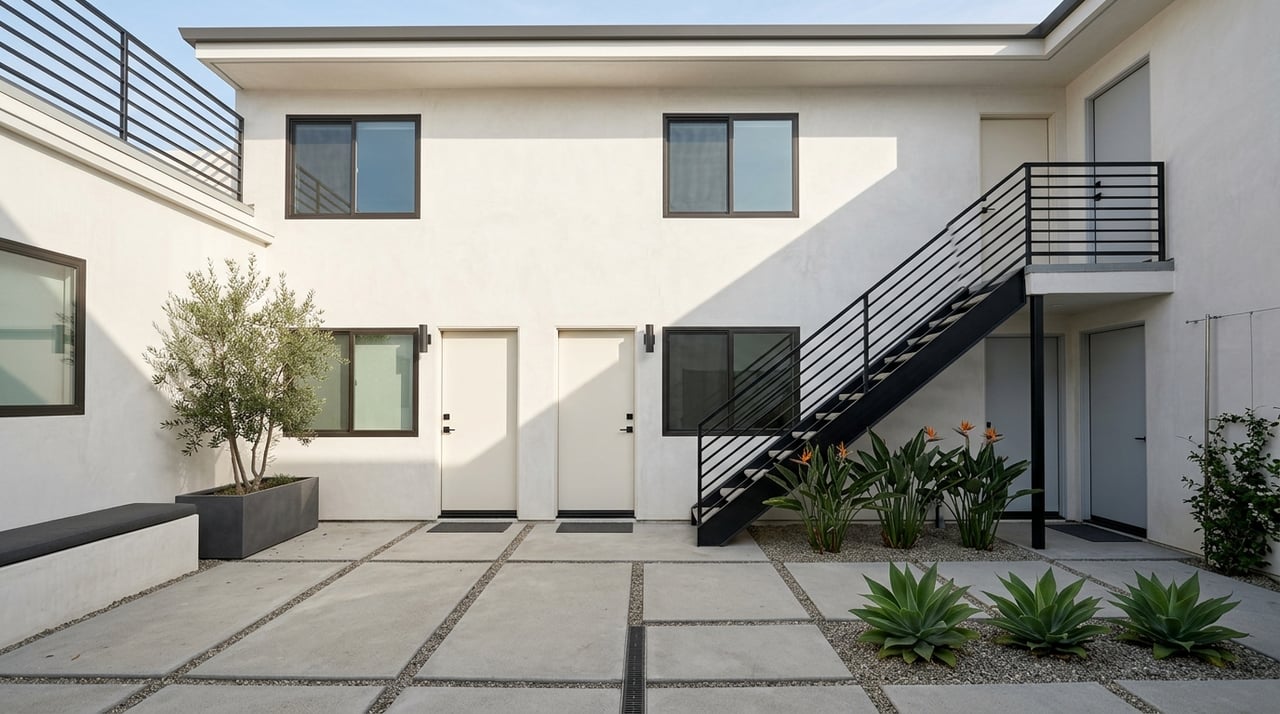
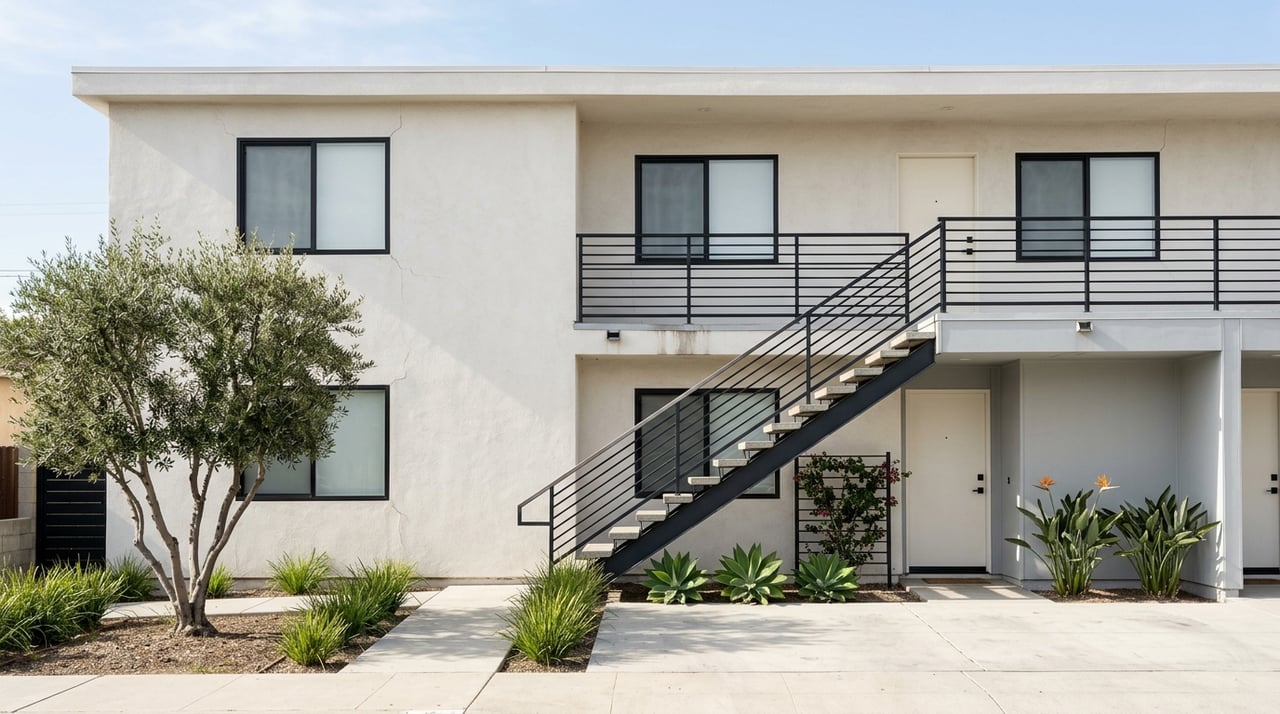
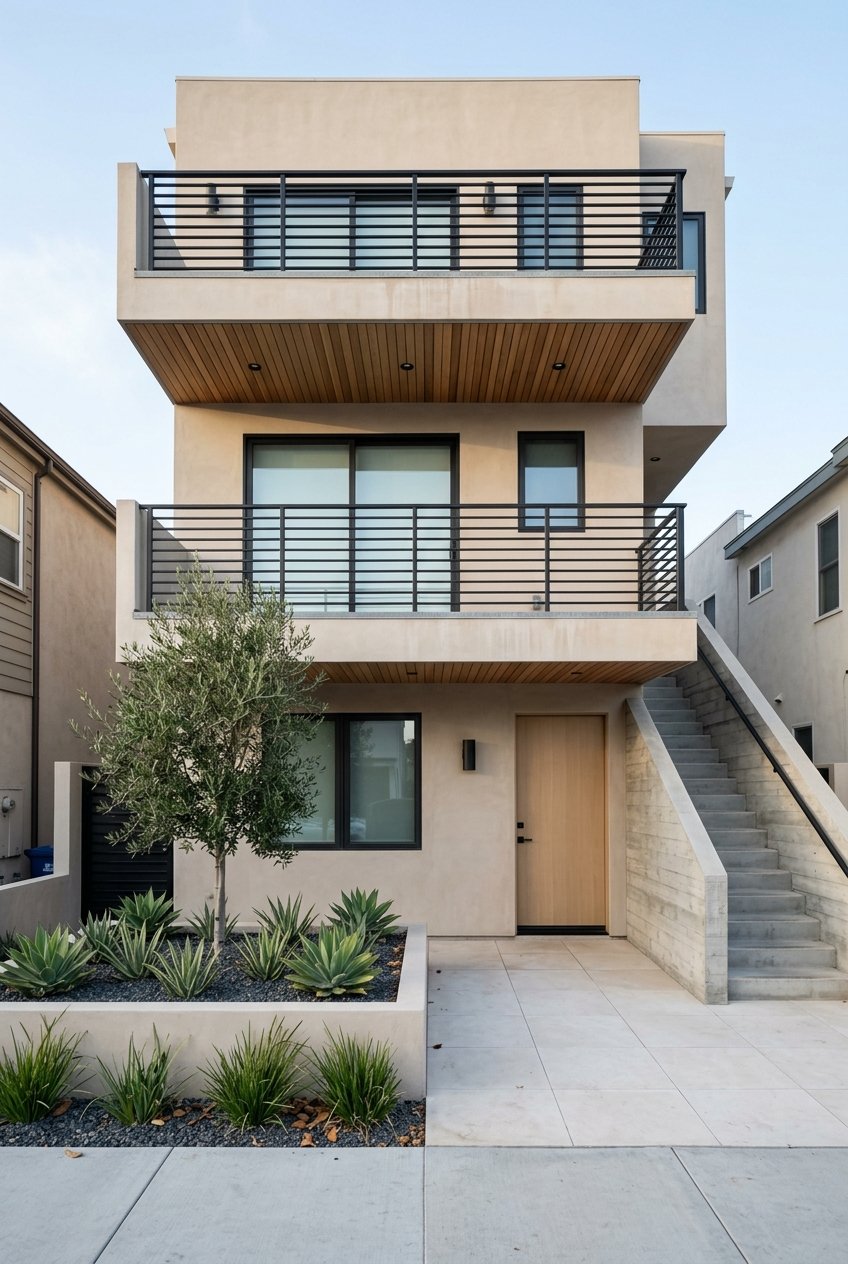
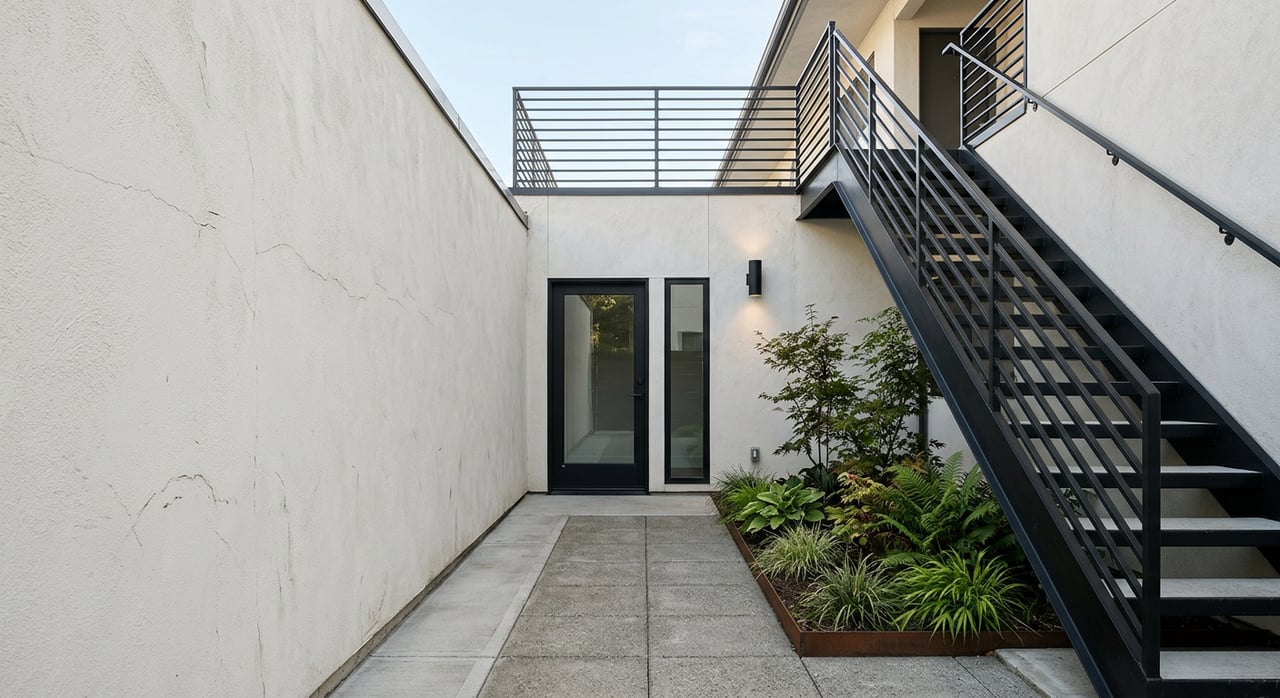
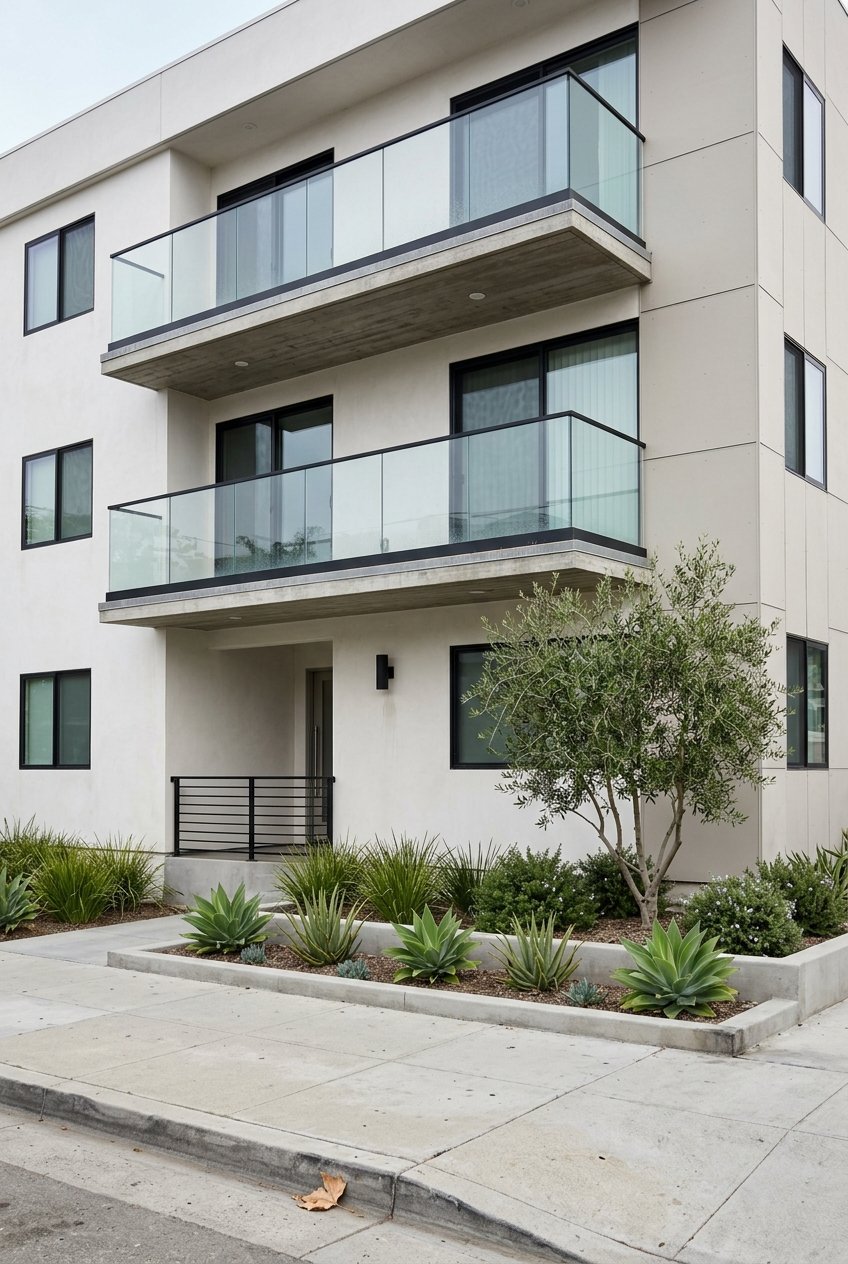
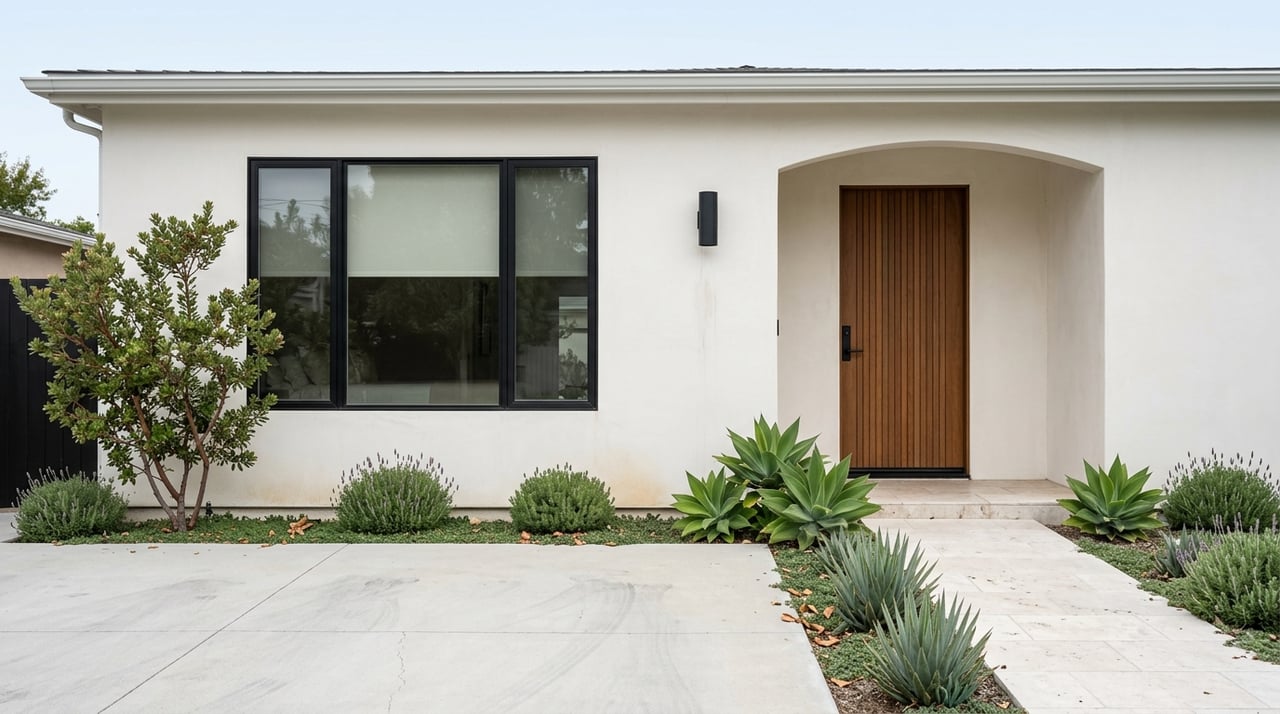
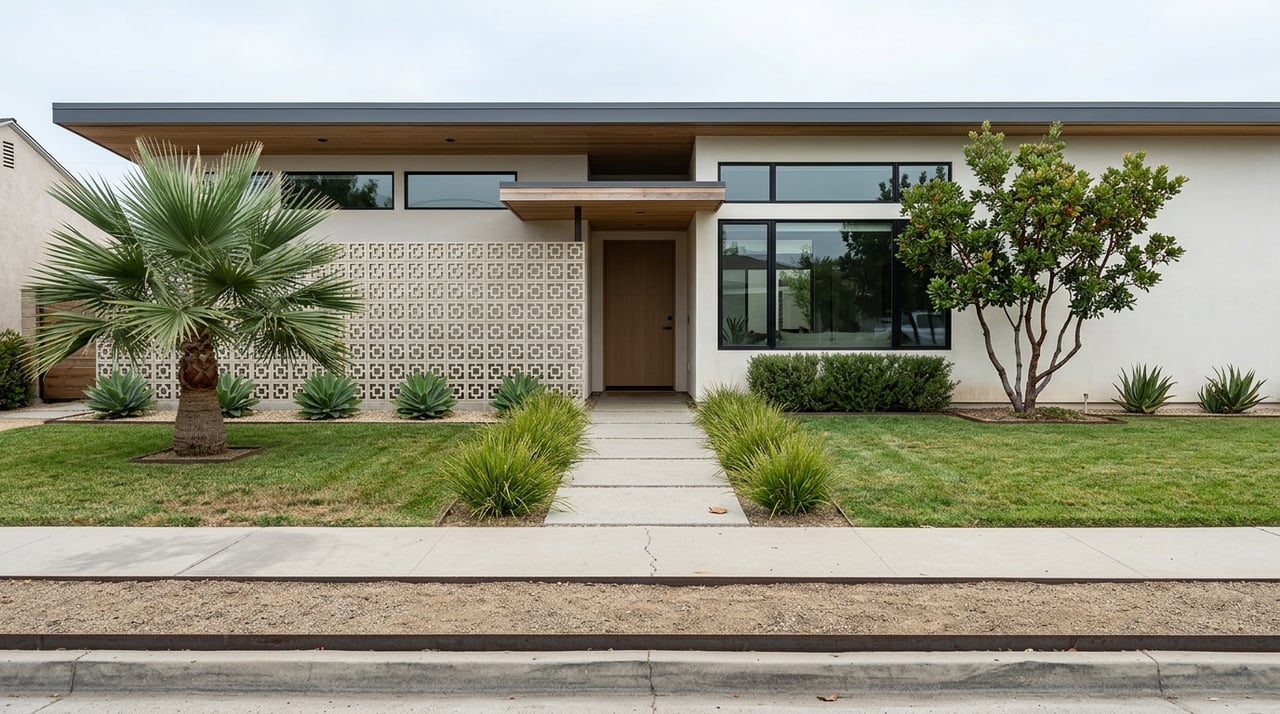
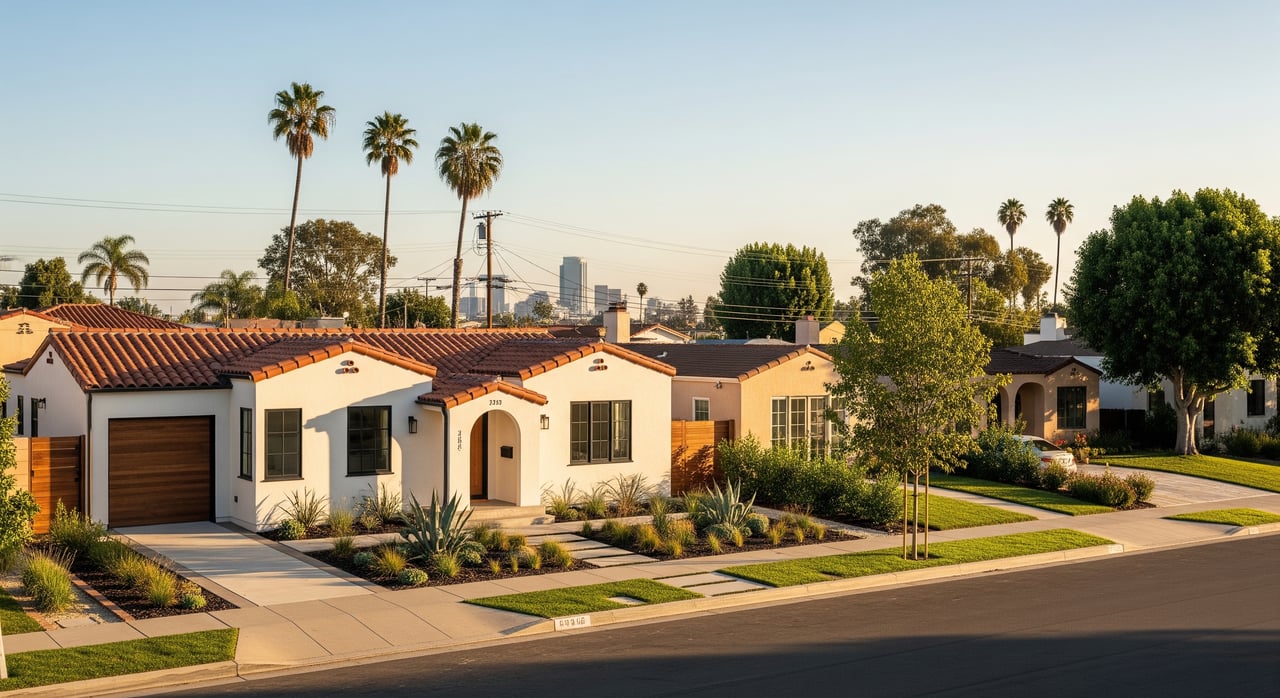
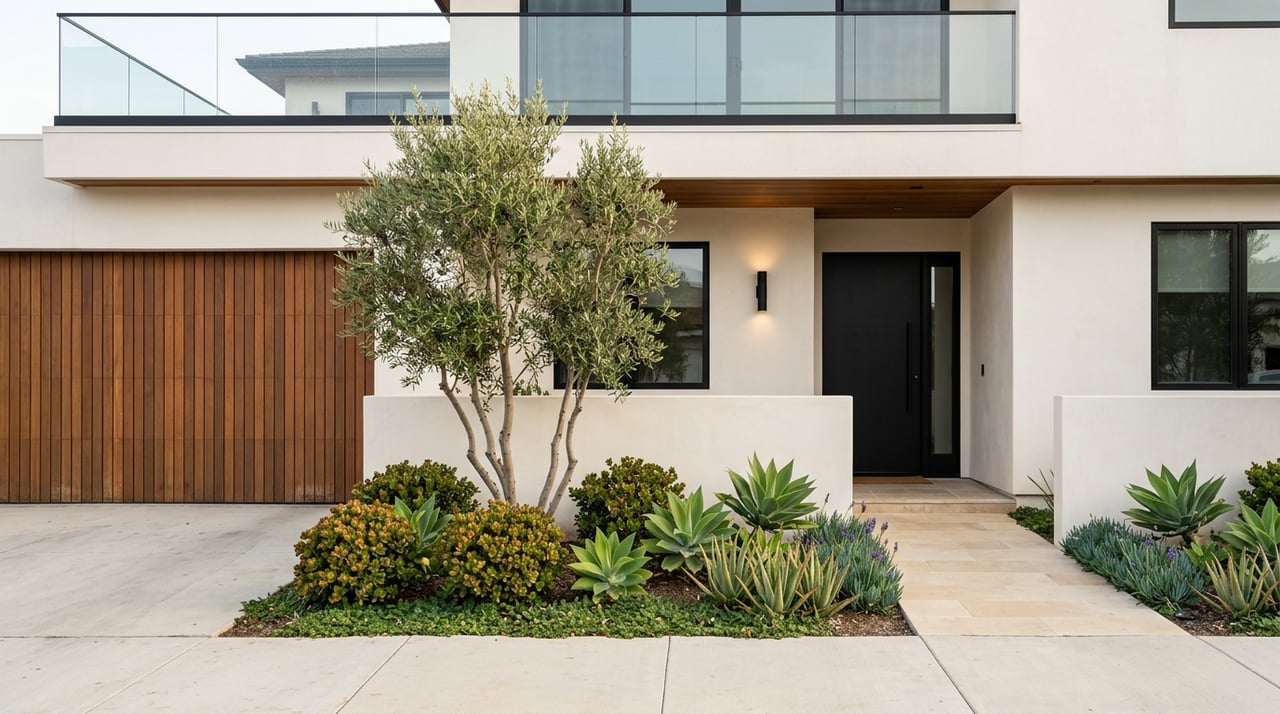
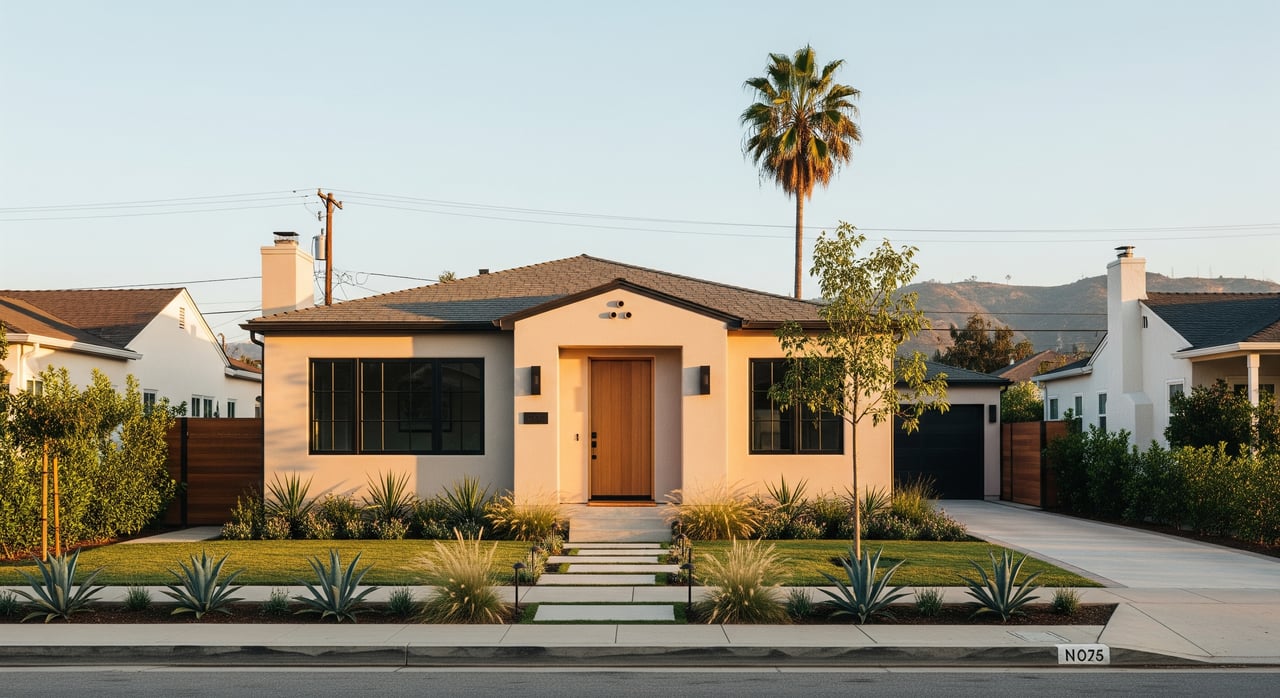
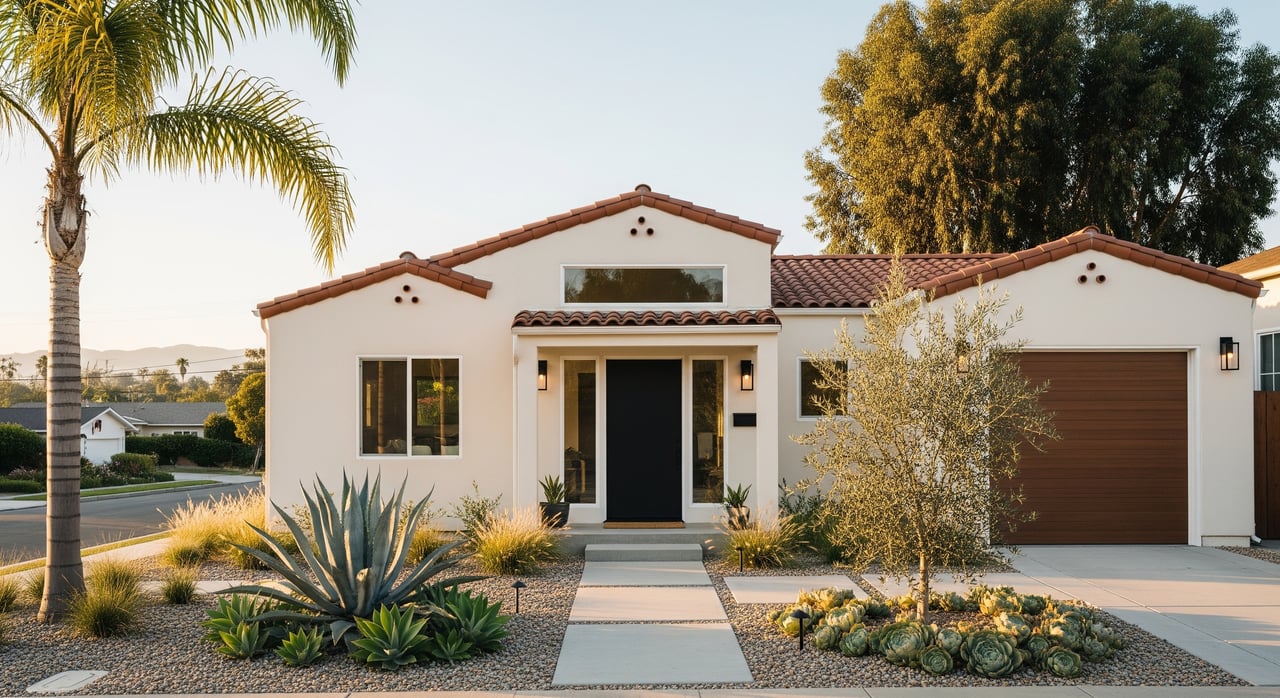
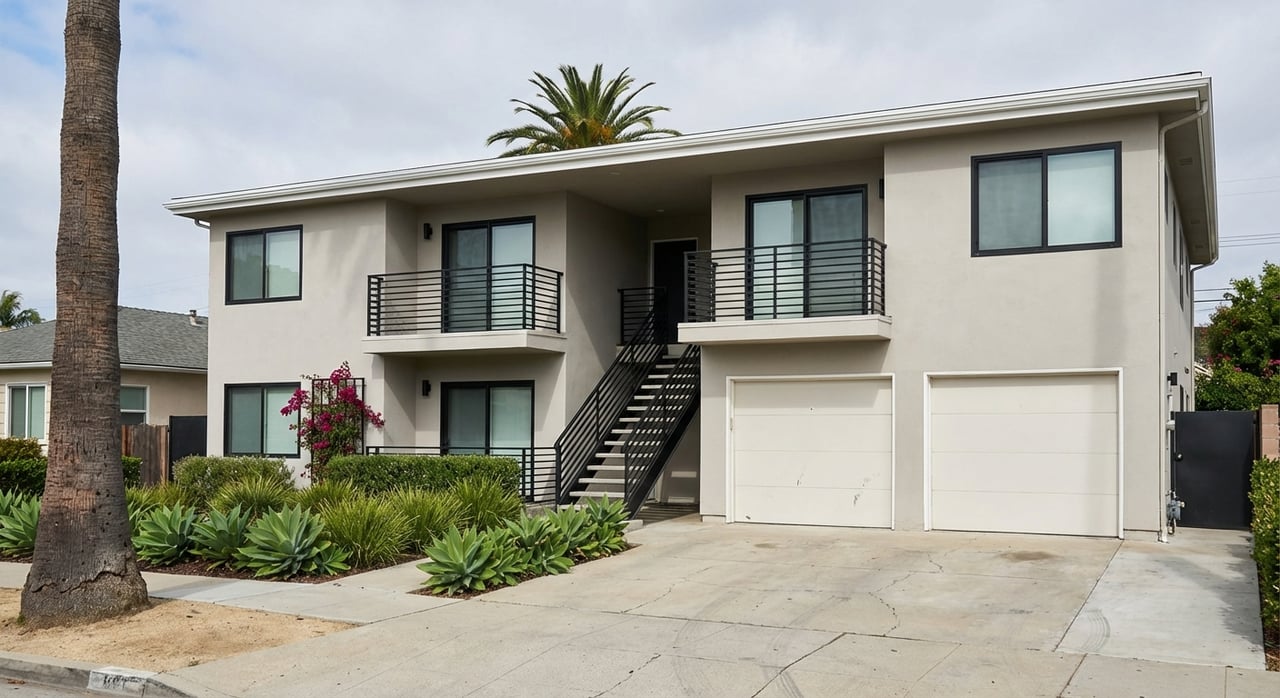
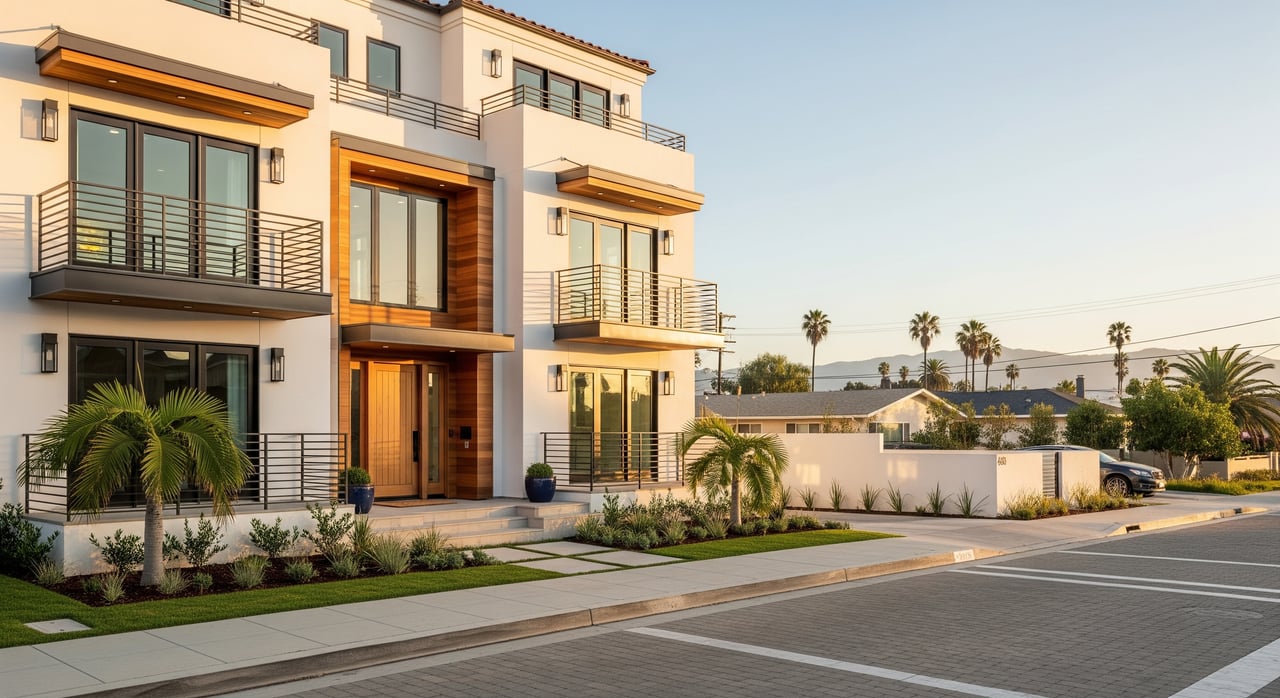
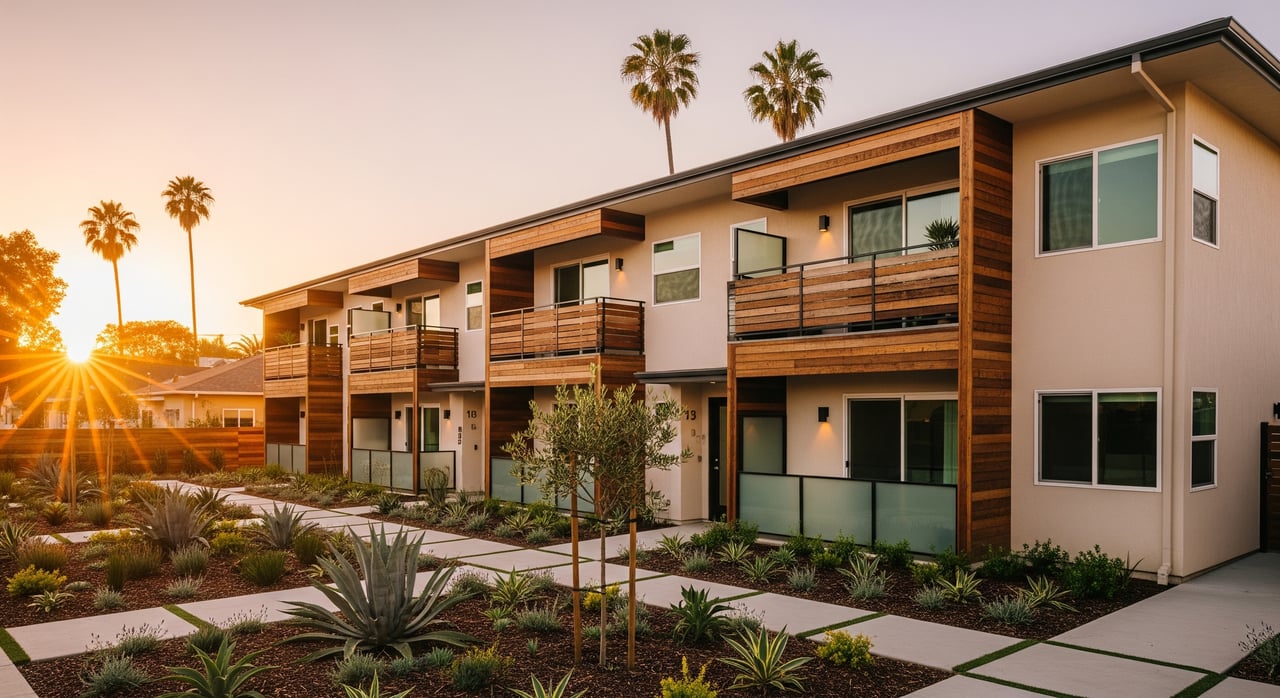
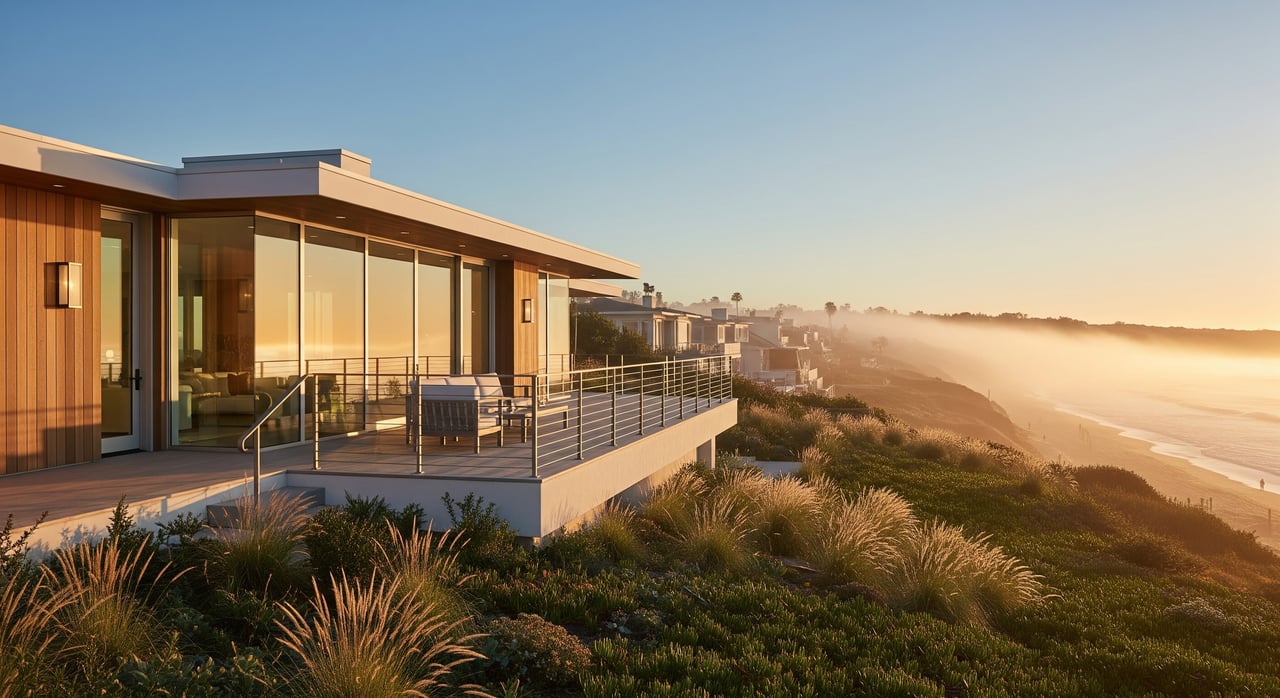
One of the interesting things about walk street inventory is the variety. You may find older beach cottages and bungalows, custom single-family homes, newer contemporary builds, and properties that appeal to buyers looking for redevelopment or lot-value potential.
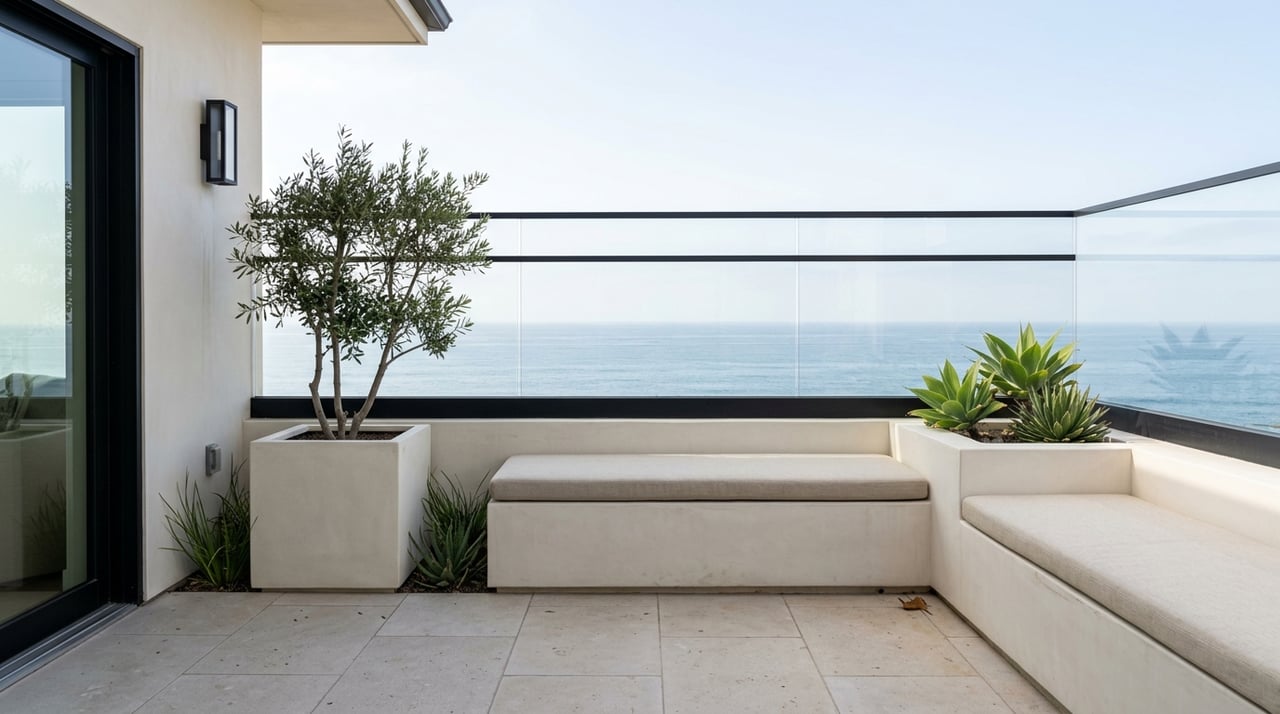
Examples in recent and current inventory include a 1940s bungalow on 10th Street with rebuild potential, a 1994 home with 30 feet of walk street frontage, a French Mediterranean home on 9th Street, and a 2021 architectural home on Alma Avenue with a glass courtyard and ocean views.
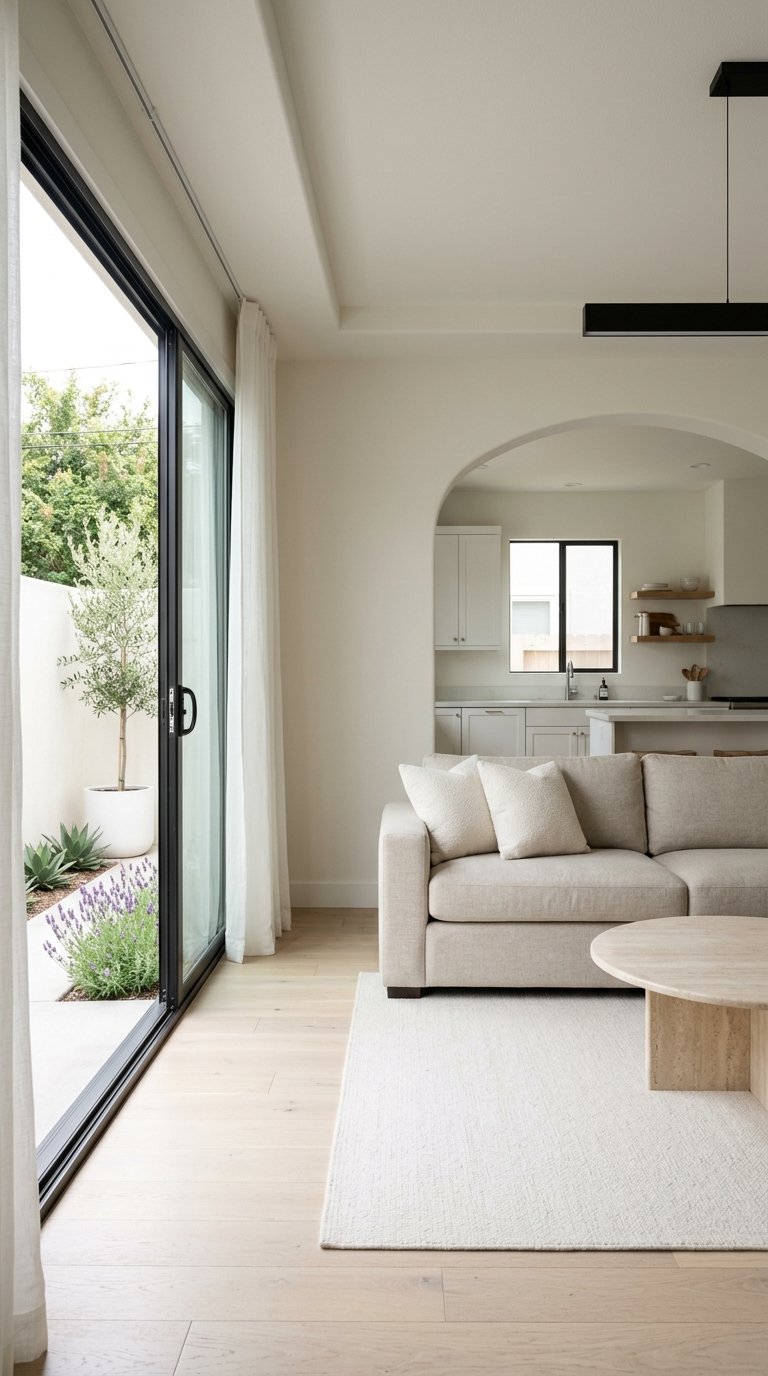
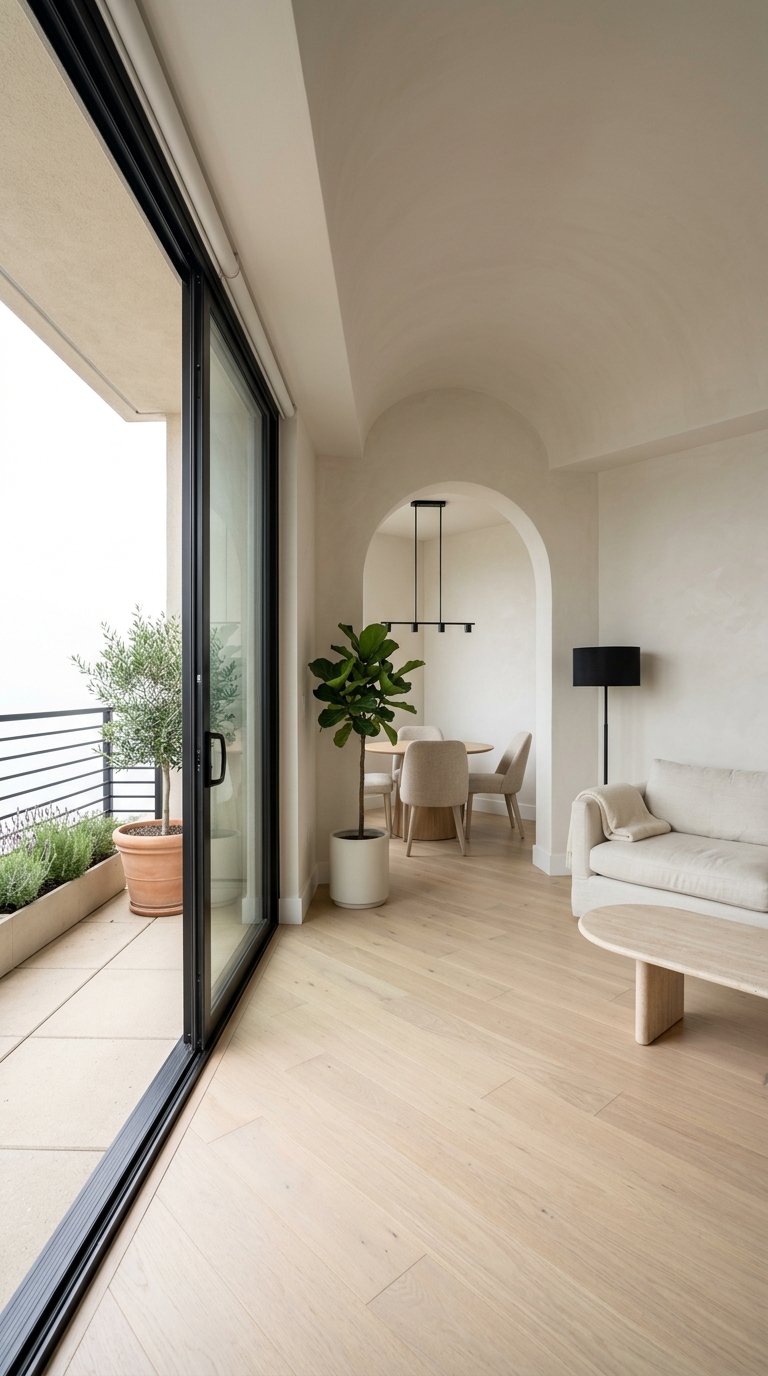
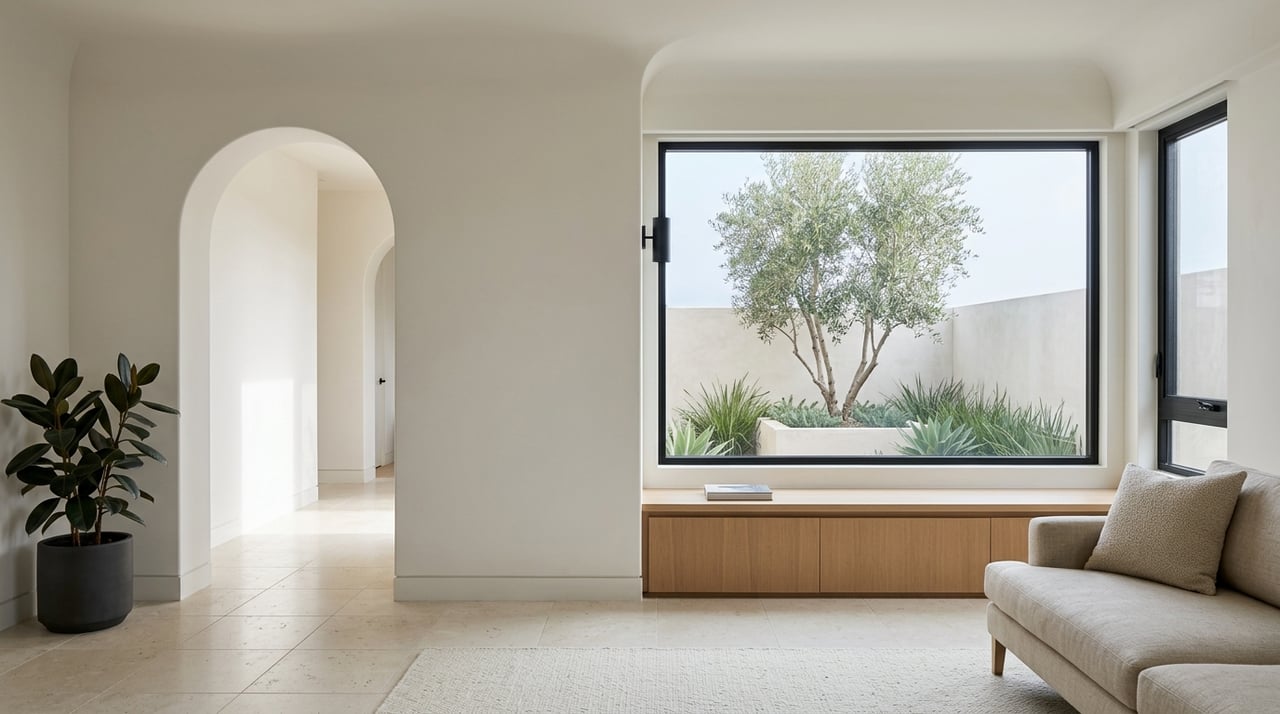
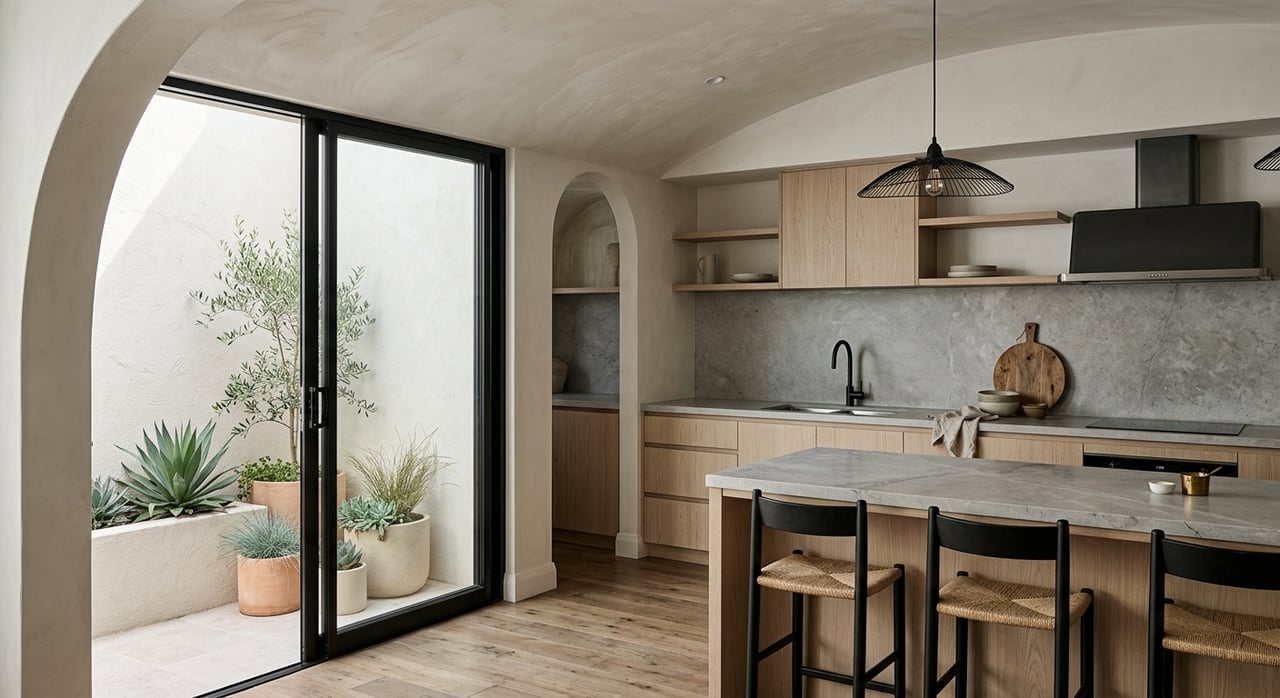
That mix gives buyers different entry points into the market. Some are drawn to original character, while others are looking for a newer design-forward home with updated indoor-outdoor living.
What Walk Street Homes Cost
Walk street and walk street-adjacent homes sit in a very high-priced coastal segment. Recent market data helps frame the bigger picture.
Redfin reported a March 2026 median sale price of $3.325 million for Manhattan Beach. For the 90266 zip code, Redfin showed a $3.5 million median sale price in April 2026 and labeled it a seller’s market.
Current listing medians on the same source were about $5.75 million for Sand Section homes and $10.625 million for The Strand. That helps explain why homes tied to walk street living often command strong pricing.
Here is a simple way to think about the range based on examples from the research:
| Price Tier | Example Range | What It May Represent |
|---|---|---|
| Entry or redevelopment | About $2.785M to low $4M range | Smaller homes, older structures, or lot-value opportunities |
| Mid-to-upper tier | About $4.75M to $5.5M | Larger or more updated homes in strong locations |
| Higher-end custom | About $6.6M to $8.0M+ | Custom homes, premium design, strong frontage, or notable views |
As always, exact value depends on the block, lot, frontage, views, condition, and home size. On walk streets, small differences in location can have a meaningful effect on price.
The Parking Tradeoff to Understand
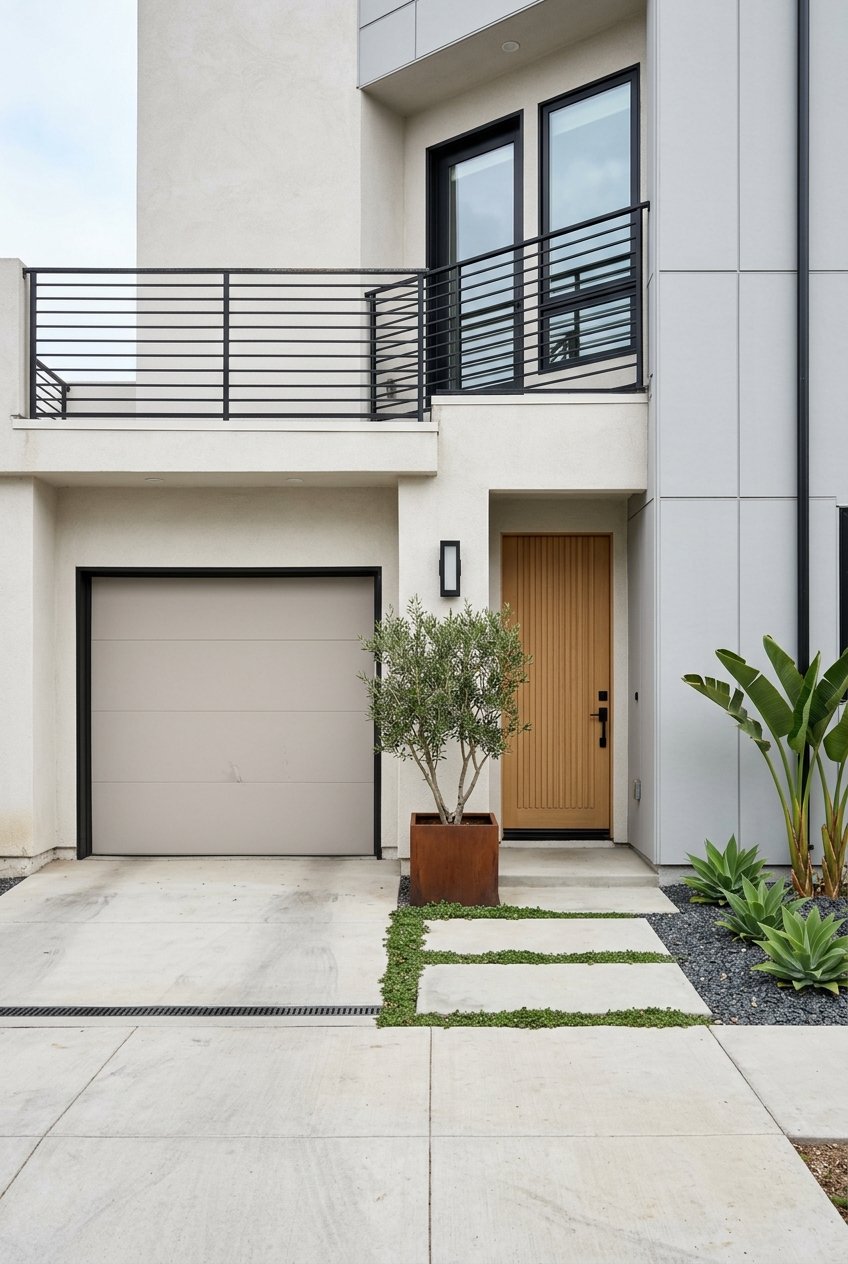
The biggest practical tradeoff with walk street living is parking and circulation. Because these are car-free public walkways, buyers need to look carefully at how a property handles garage access and off-street parking.
That is why many current listings highlight garages and multiple parking spaces so prominently. In this part of Manhattan Beach, parking is not just a convenience. It can be a major quality-of-life factor.
The City also offers overnight beach-lot permits and a Downtown Residential Override program for certain qualified restricted-parking streets. Those permits are not valid for street parking, so it is important to understand exactly what a property includes and what nearby permit options do and do not cover.
What to Consider Before You Buy
If you are thinking about buying on a walk street, it helps to focus on lifestyle fit as much as the house itself. A beautiful home on one of these blocks can be a great match if you truly want the pedestrian, beach-connected experience.
As you compare options, consider these questions:
- How often will you walk to the beach, downtown, or The Strand?
- How important are garage access and total parking spaces for your household?
- Do you prefer original charm, a newer custom build, or a property with future potential?
- How much value do you place on outdoor living and a more social front-of-home setting?
- Which block gives you the right balance of privacy, access, and activity?
Those details can make a big difference in how the home feels once you live there. On walk streets, lifestyle and logistics are closely connected.
Why Local Guidance Matters
Walk street homes are unique, and that means your home search should be specific. Two properties may look similar online but feel very different in person based on frontage, parking, access, and how the home relates to the pedestrian path.
That is where local market knowledge becomes especially valuable. Understanding the nuances of Manhattan Beach blocks, pricing tiers, and day-to-day livability can help you narrow in on the right fit and avoid expensive surprises.
If you are exploring walk street living in Manhattan Beach, working with a team that understands South Bay coastal micro-markets can help you evaluate both the lifestyle upside and the practical details with more confidence.
Whether you are searching for a character-filled beach cottage, a custom architectural home, or a property with long-term potential, the right guidance can make the process much smoother. When you are ready for a personalized market consultation, connect with Kawata Team.
FAQs
What is a walk street in Manhattan Beach?
- A walk street in Manhattan Beach is a dedicated public street with a public walkway that is closed to vehicular traffic, and city zoning says vehicular access is not permitted.
Where are the main walk streets in downtown Manhattan Beach?
- The Downtown Specific Plan identifies core walk street segments on 9th, 10th, 11th, 12th, 13th, 14th, and 15th Streets connecting The Strand with Ocean Drive, Highland Avenue, or Manhattan Avenue.
What does daily life feel like on Manhattan Beach walk streets?
- Daily life on Manhattan Beach walk streets tends to feel pedestrian-oriented, beach-connected, and community-focused, with easy access to The Strand, downtown, the pier, and outdoor living.
Are cars and parking allowed on Manhattan Beach walk streets?
- No, vehicular access and parking are not permitted on walk streets themselves, which is why garage access and off-street parking are important details for buyers.
How expensive are walk street homes in Manhattan Beach?
- Walk street and nearby Sand Section homes are part of a high-priced coastal market, with examples in the research ranging from the high $2 millions for some entry or redevelopment opportunities to about $8 million for higher-end custom homes.
Why do buyers pay a premium for Manhattan Beach walk street homes?
- Buyers are often drawn to walk street homes because of their scarcity, beach access, downtown walkability, pedestrian setting, and the distinctive lifestyle those features create.