Trying to choose between a single-family home and a townhome in Carson? You are not alone. Many buyers like the idea of more space and privacy, but they also want a home that fits their budget, commute, and day-to-day routine. The good news is that Carson gives you real options, and once you understand how the local housing mix, parking rules, and HOA structure work, the decision gets much clearer. Let’s dive in.
Carson Housing Mix Matters
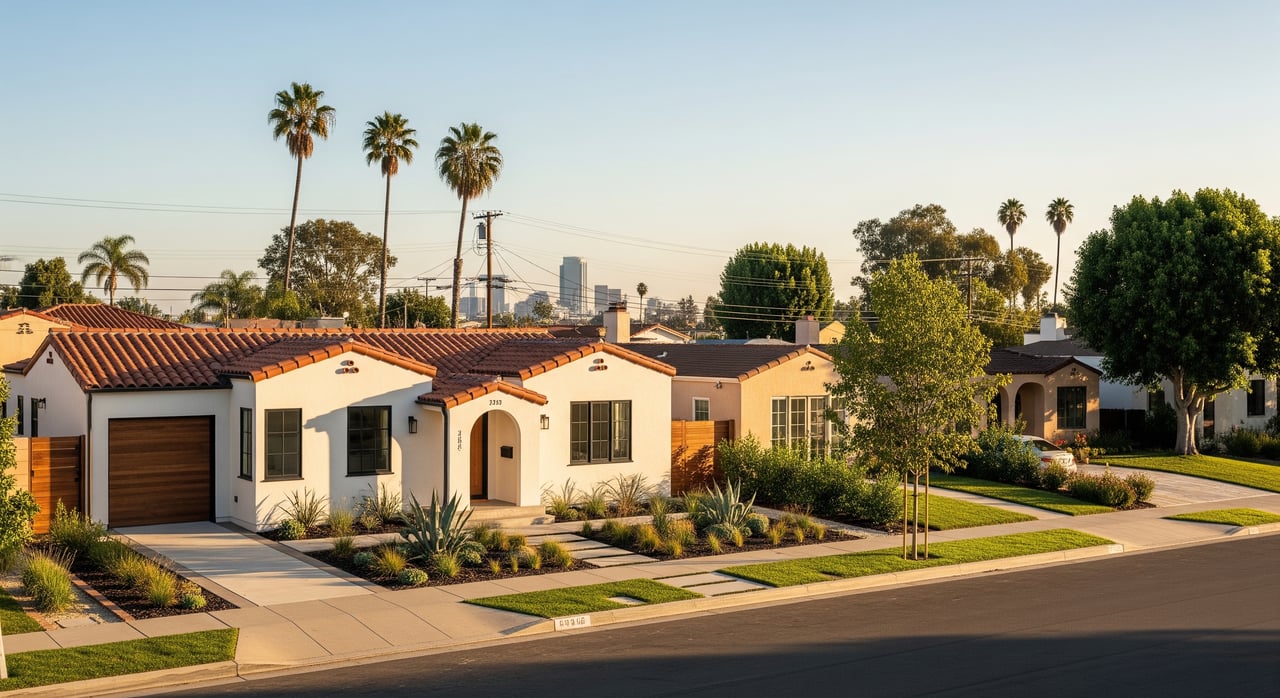
If you are deciding between these two property types in Carson, it helps to start with what the city actually looks like. According to Carson’s 2025-2029 Consolidated Plan draft, single-family homes made up 78.7% of the city’s housing stock in 2022. Of that total, 72.1% were detached homes and 6.6% were attached one-unit homes, which is the closest local proxy for townhome-style housing.
That matters because your search experience will likely be different depending on what you want. If you are looking for a detached home, you will usually have more inventory to consider. If you prefer a townhome-style setup, your choices may be narrower, which can make timing and preparation especially important.
Carson also has a strong ownership base. Census QuickFacts reports that 74.0% of homes are owner-occupied, and the median value of owner-occupied homes was $704,400 in the 2020-2024 period. That does not mean every property will fit the same budget, but it does show that ownership is a major part of the local housing picture.
When a Single-Family Home Makes Sense
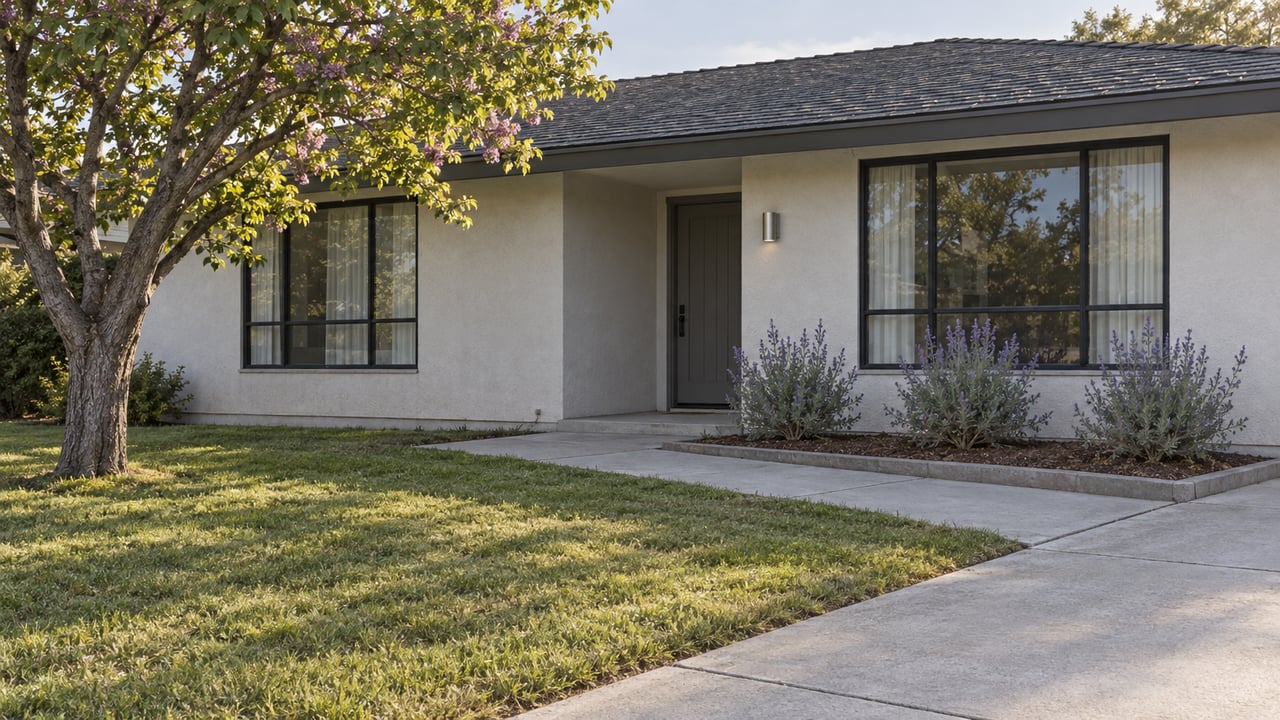
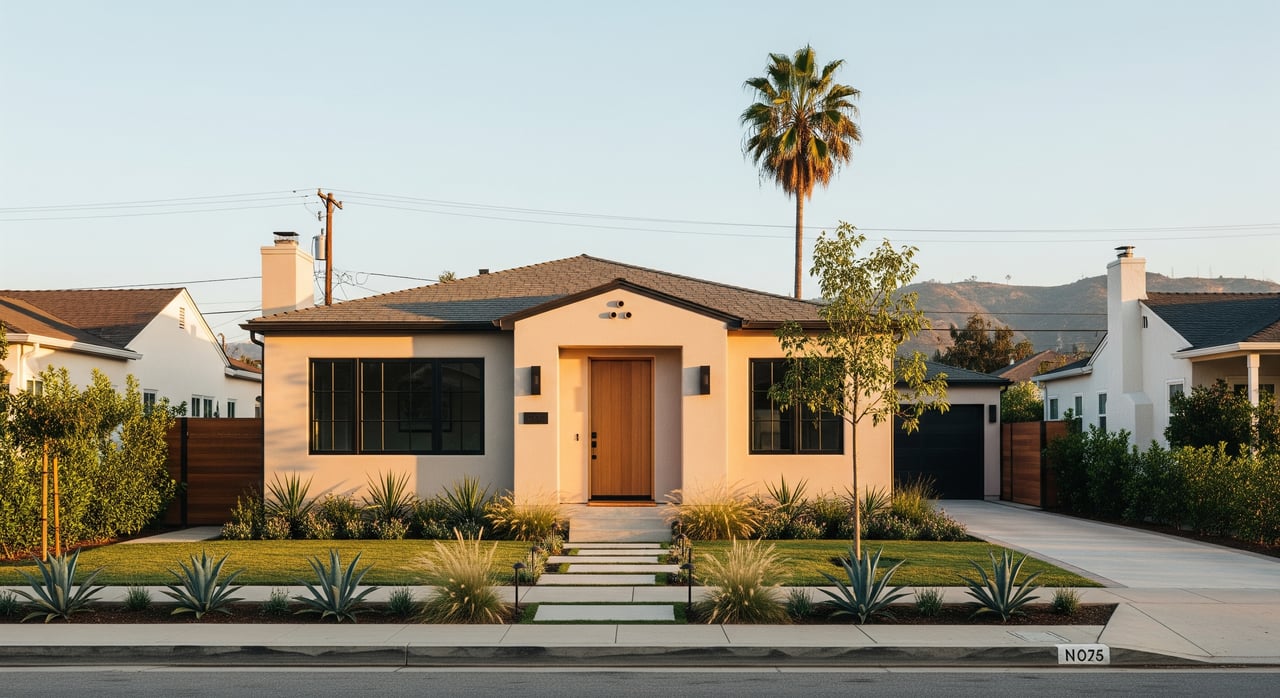
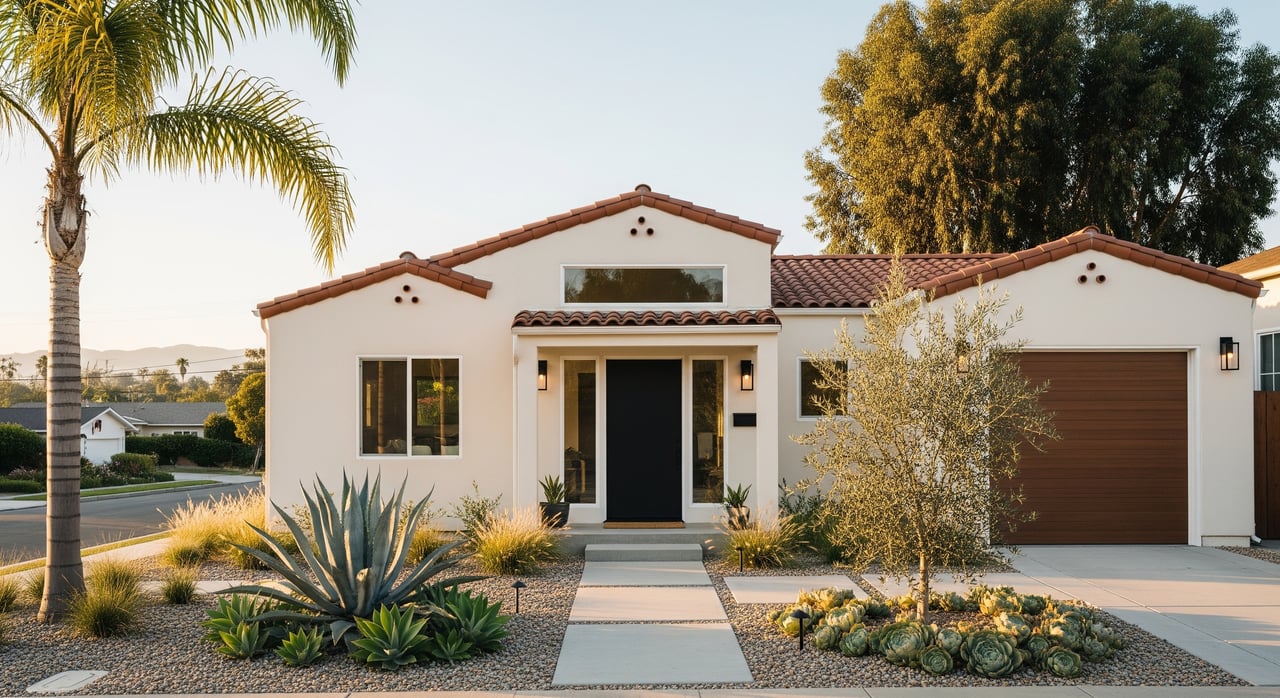
A single-family home is often the better fit if you want the most common ownership option in Carson. Because detached homes make up such a large share of the city’s housing stock, buyers looking for this type of property usually have a broader pool to choose from. That can give you more flexibility on layout, lot use, and location.
You may also prefer a detached home if you want a more traditional setup. In practical terms, that often means more separation from neighbors and fewer shared elements. For many buyers, that simple difference shapes how the home feels day to day.
Carson’s housing stock also tends to be larger in bedroom count. The city plan says 82% of owner-occupied units have three or more bedrooms. If your priority is room to spread out, that is another reason detached homes may be worth a close look.
When a Townhome Makes Sense
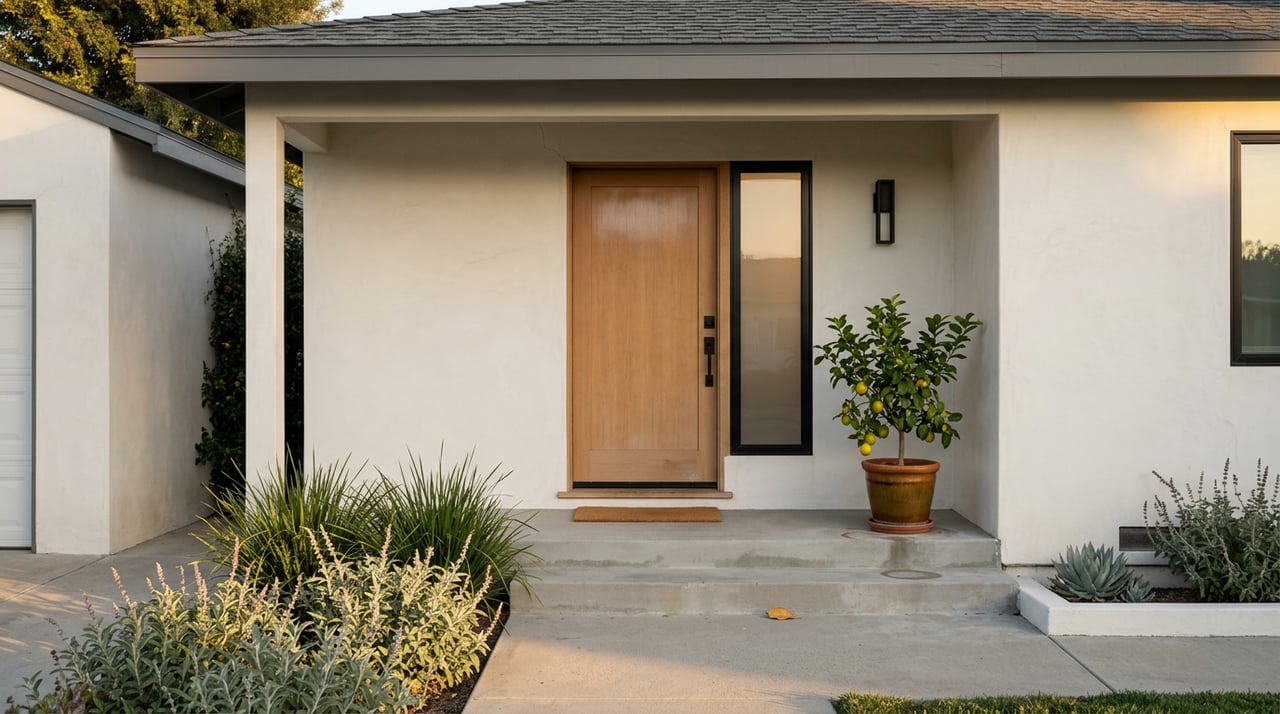
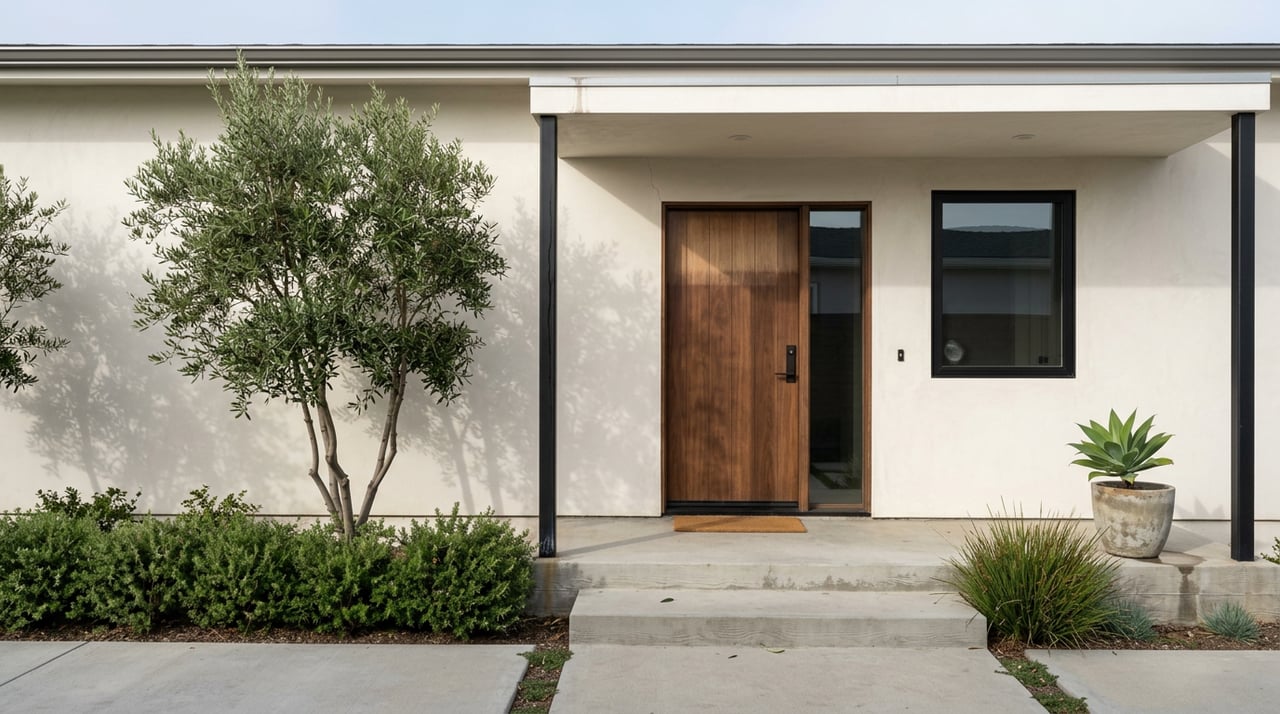
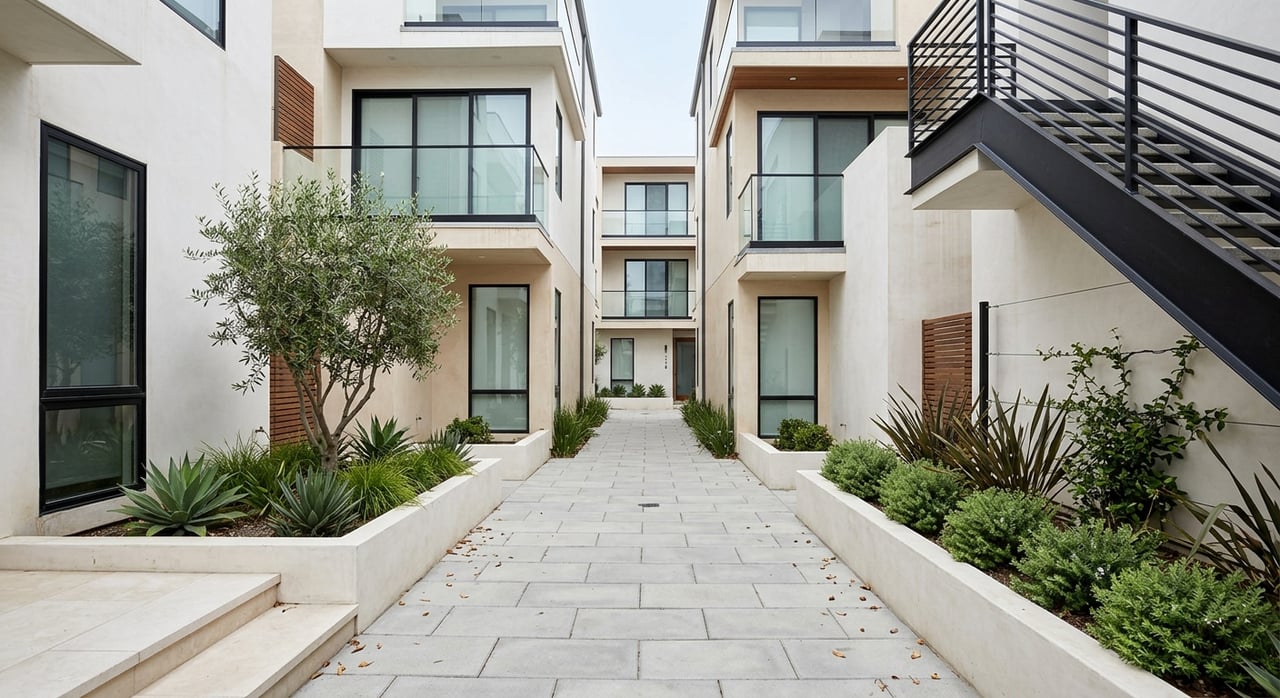
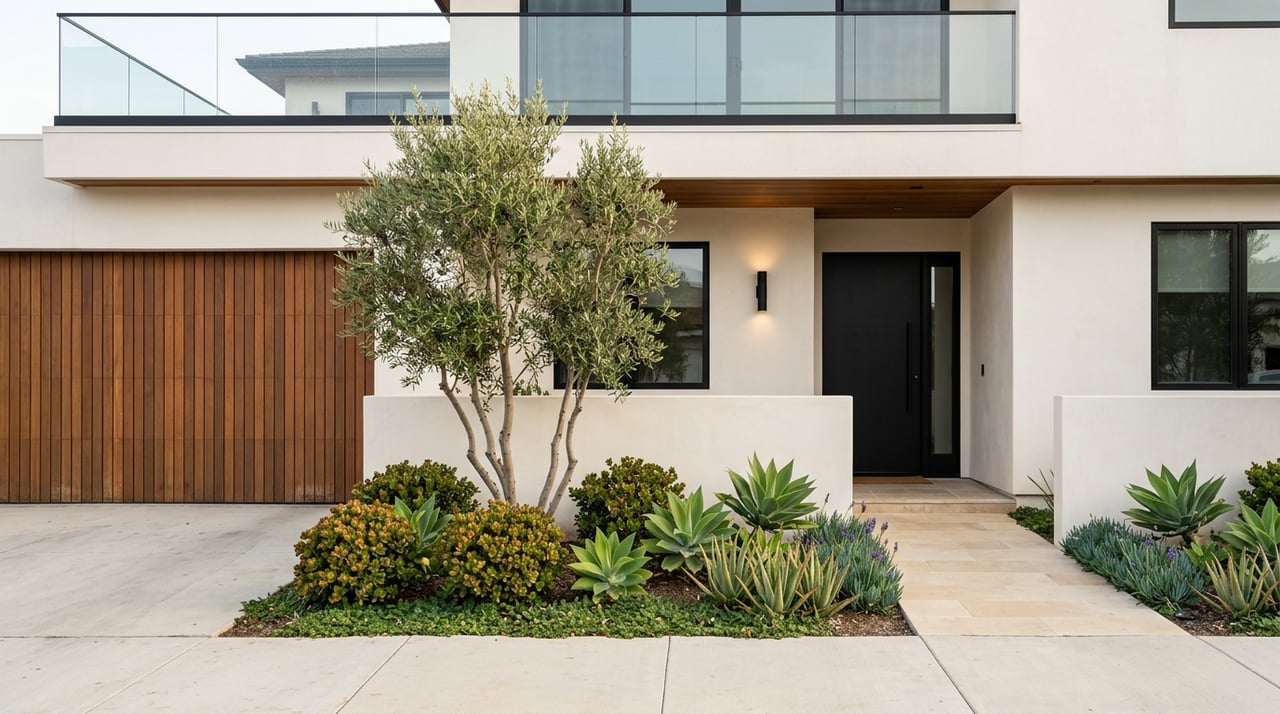
A townhome can be a smart option if you want a different balance of responsibility and convenience. In many California common-interest developments, the owner and the homeowners association share maintenance responsibilities. That means some exterior upkeep or shared-area care may be handled through the HOA rather than falling fully on you.
That tradeoff comes with structure. The California Department of Real Estate explains that planned developments and condominiums must have an HOA, and the California Department of Justice notes that HOAs make and enforce rules for residential subdivisions, planned communities, and condominium buildings. So while a townhome may reduce some maintenance burdens, it also usually includes dues, rules, and shared decision-making.
For some buyers, that is a plus. For others, it feels too limiting. The right answer depends on how much control, predictability, and hands-on property care you want in your everyday life.
HOA Costs Deserve Early Attention
If you are leaning toward a townhome, do not wait until late in escrow to understand the HOA. HOA dues can have a real effect on affordability, and the total cost of ownership is not just your mortgage payment. You also need to know what the dues cover and whether future costs may be on the horizon.
The California Department of Real Estate says HOA budgets cover operating expenses, reserves, regular assessments, and special assessments. That means your monthly dues are only part of the picture. You also want to know whether the association has saved enough for future repairs and whether owners have recently been asked to pay extra.
A useful early checklist includes:
- What are the current HOA dues?
- What do those dues cover?
- When was the last dues increase?
- Is there a reserve study or reserve information available?
- Has the community had any recent special assessments?
- Who handles the roof, exterior, landscaping, and shared-drive maintenance?
This is not just a paperwork issue. The DRE also notes that associations can file liens and foreclose on delinquent assessments if necessary. That is why it is so important to review the HOA budget and assessment history early, not as an afterthought.
Carson Parking Can Change Your Decision
In Carson, parking should never be treated as a minor detail. It can shape how convenient your home feels every single day. This is especially important if you are comparing a detached home with a townhome community where parking may be deeded, assigned, tandem, or more limited for guests.
Carson has preferential parking zones in selected residential areas. In those zones, parking between 8:00 a.m. and 10:00 p.m., except Sundays, requires a permit. Each residence can receive up to three resident permits and two visitor permits.
That is why parking should be part of your tour-day questions, not a later follow-up. Before you get too attached to finishes or staging, make sure you understand:
- Whether the home has a garage, driveway, or assigned spaces
- Whether parking is deeded or assigned
- Whether guest parking is easy or limited
- Whether the block falls within a preferential parking zone
- Whether the HOA has any street-parking rules
Think About Vehicles and Daily Use
Parking matters even more because many Carson households have more than one car. SCAG’s Carson profile says 73.6% of households own two or more vehicles. If your household has multiple drivers, a work vehicle, or frequent visitors, this can quickly become one of the biggest quality-of-life differences between a detached home and a townhome.
A detached home may give you more flexibility, but that is not automatic. A townhome might still work very well if the parking setup is clear and practical for your needs. The key is to match the property to your real routine, not your idealized version of it.
Commute Routes Should Guide the Search
Your commute should also influence the choice. Carson is about 16 miles south of downtown Los Angeles and is served by I-110, I-405, and SR-91, with I-710 and I-105 nearby. If you drive often, the route you rely on most may matter just as much as the home itself.
SCAG’s commuter data identifies Los Angeles, Torrance, Carson, and Long Beach as top work destinations for Carson residents. Census QuickFacts reports a mean commute time of 27.5 minutes. That makes location within Carson especially important when you are comparing homes that otherwise seem similar.
Transit may also be part of the equation. The city says Long Beach Transit runs four fixed routes in Carson, and Carson Circuit provides neighborhood service. Dial-A-Ride is also available to residents over 18. If you use transit or want it as a backup, that is another practical factor to weigh while comparing property types.
Older Housing Means Condition Counts
No matter which property type you choose, condition deserves careful attention in Carson. The city reports that 55% of homes were built between 1950 and 1969. That means many properties may have older systems, components, or features that affect near-term maintenance planning.
This does not automatically make an older home a bad choice. It simply means you should look past surface appeal and understand the age and condition of major items. Roofs, exterior elements, and shared systems matter in attached communities, while detached homes may place more direct responsibility on you for upkeep and replacement.
In other words, the right question is not just, "single-family or townhome?" It is also, "What condition is this particular property in, and what will ownership likely require over the next few years?"
A Simple Way to Choose
If you are still deciding, start with your daily priorities. A single-family home may be the better fit if you want the most common Carson ownership type, a wider selection of listings, and a more traditional setup. A townhome may be the better fit if you are comfortable with HOA structure and want a home where some shared maintenance responsibilities may be built in.
Then pressure-test your choice with a few local realities. In Carson, the biggest decision points are often inventory, HOA costs, parking, vehicle count, commute route, and property condition. Once you look at those clearly, the right path usually becomes easier to spot.
Buying in Carson is not just about square footage. It is about choosing a home that works for the way you actually live. If you want help comparing property types, reviewing local options, and narrowing your search with a practical, neighborhood-level lens, connect with the Kawata Team.
FAQs
What is more common in Carson: single-family homes or townhomes?
- Single-family homes are far more common in Carson. The city’s 2025-2029 Consolidated Plan draft says 78.7% of housing stock was single-family in 2022, including 72.1% detached homes and 6.6% attached one-unit homes.
What should Carson buyers ask about a townhome HOA?
- Carson buyers should ask about HOA dues, what those dues cover, when they last increased, reserve information, special-assessment history, and who is responsible for the roof, exterior, landscaping, and shared-drive maintenance.
Why is parking so important when buying a home in Carson?
- Parking matters because Carson has preferential parking zones in selected residential areas, and many local households have multiple vehicles. Buyers should confirm permit rules, deeded or assigned spaces, guest parking, and any HOA parking restrictions before moving forward.
How does commuting affect the choice between a Carson single-family home and townhome?
- Commute patterns can help narrow the best fit because Carson is served by I-110, I-405, and SR-91, with I-710 and I-105 nearby. Buyers should consider which route they use most and whether transit access is part of their daily routine.
Are older homes common in Carson real estate?
- Yes. The city reports that 55% of Carson homes were built between 1950 and 1969, so buyers should pay close attention to condition, system age, and potential replacement costs regardless of property type.